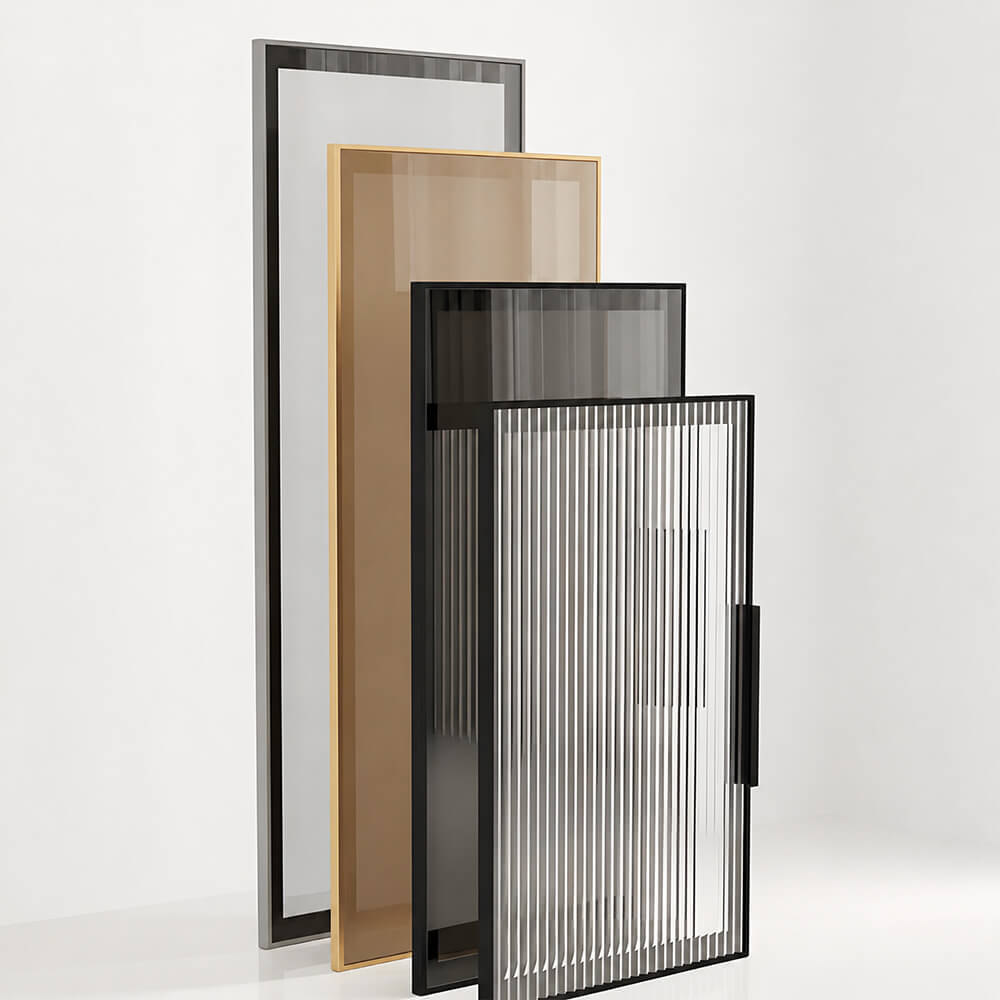
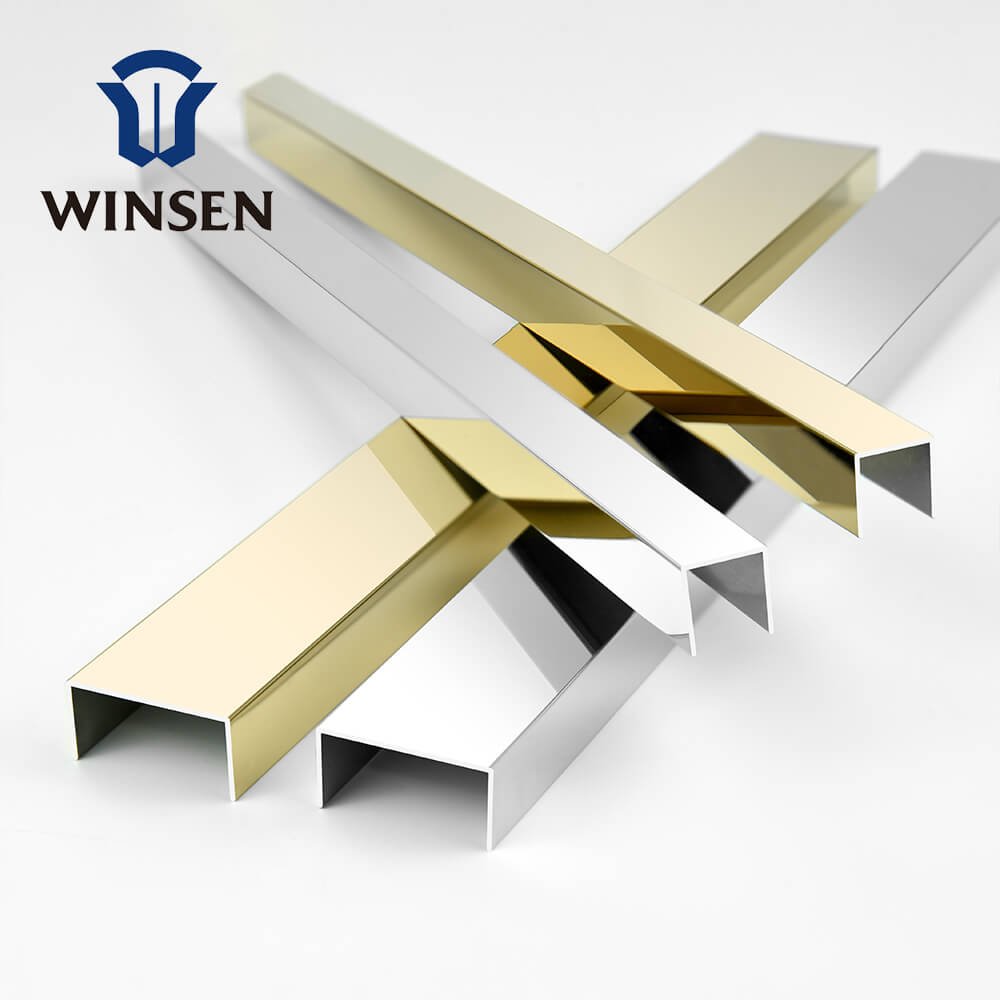
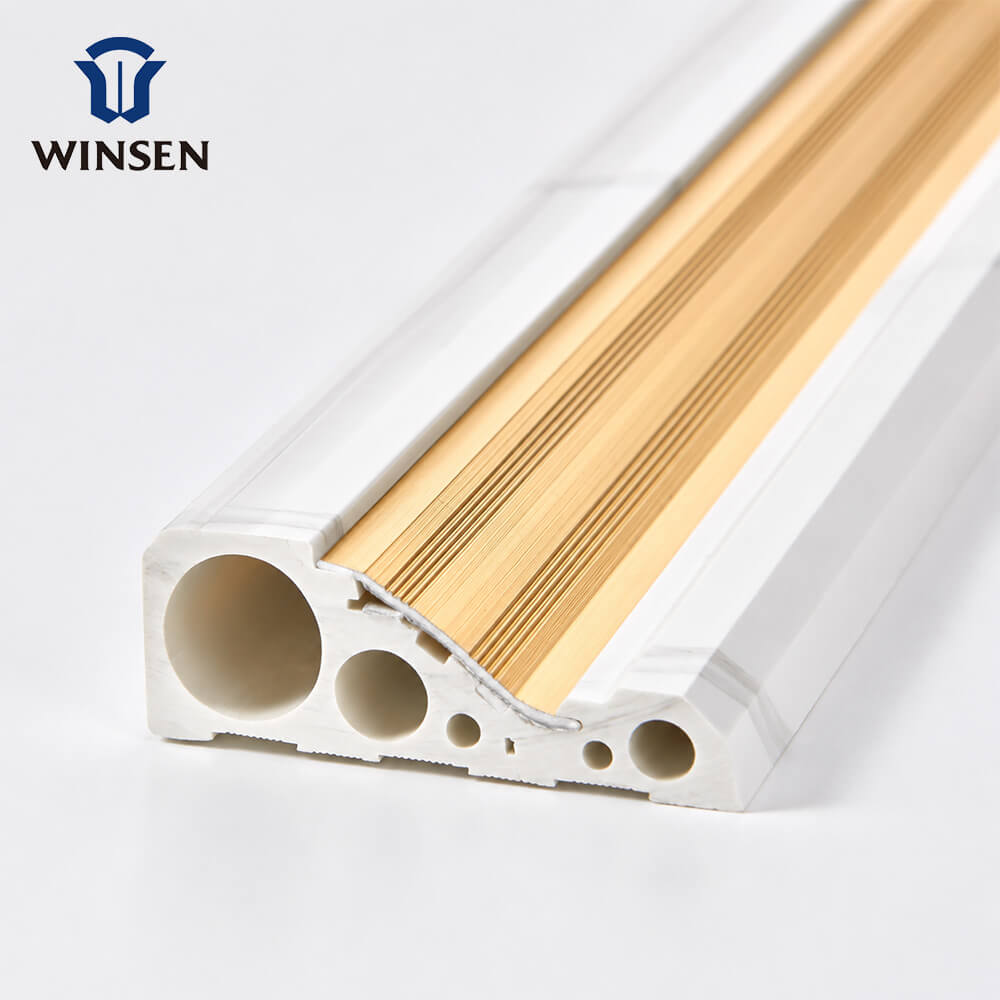
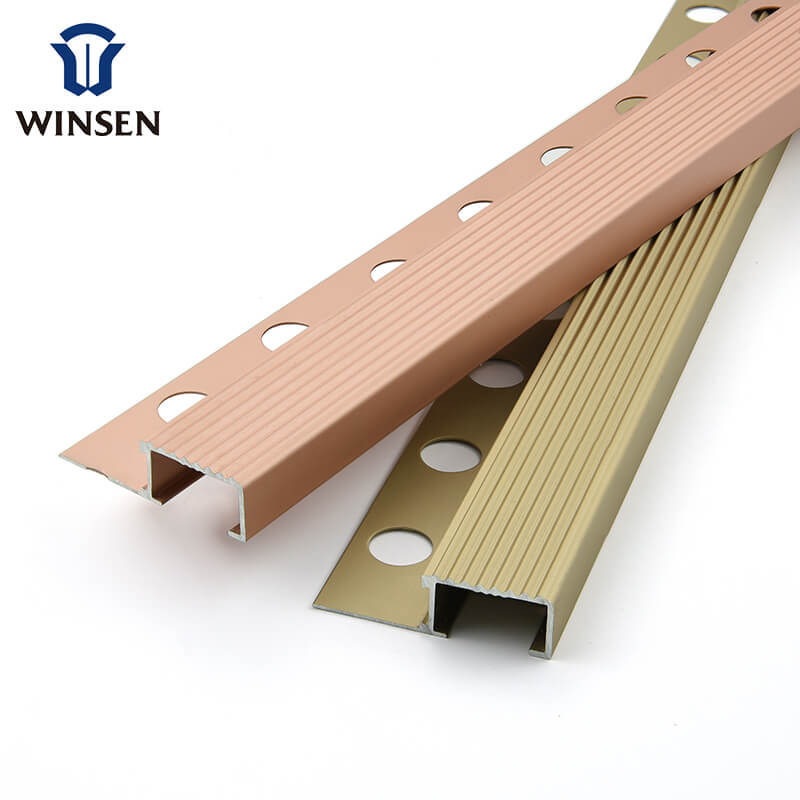
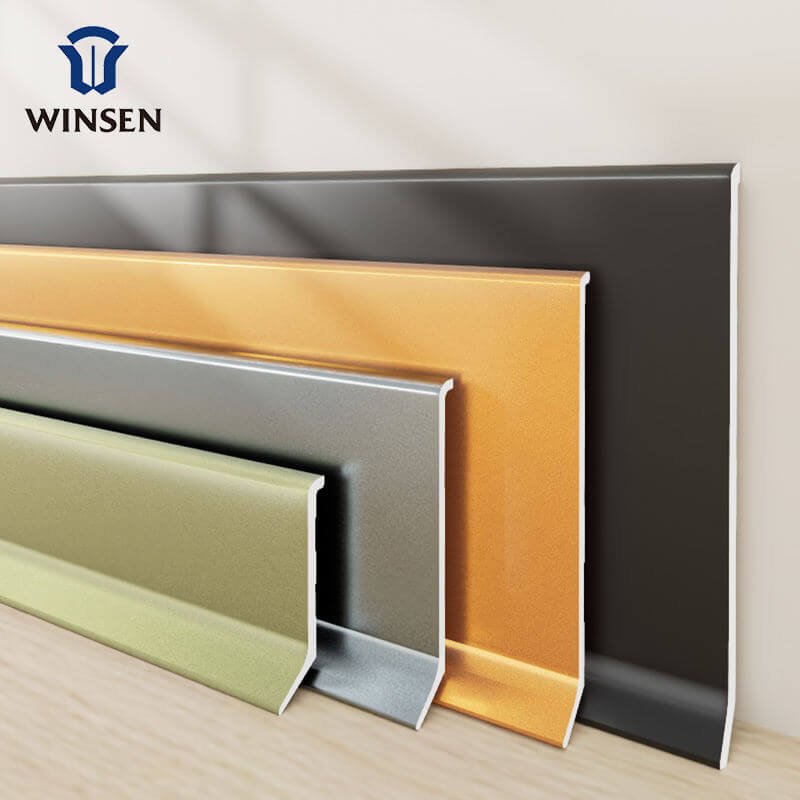
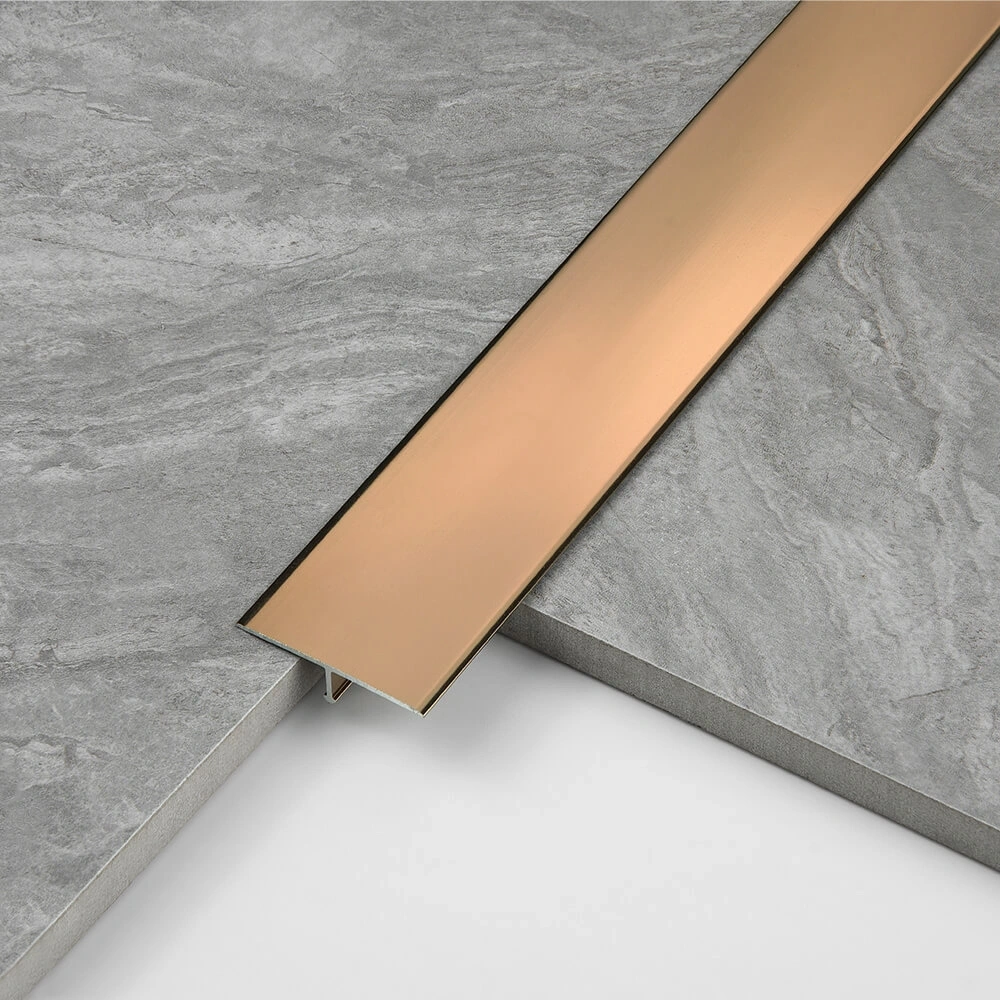
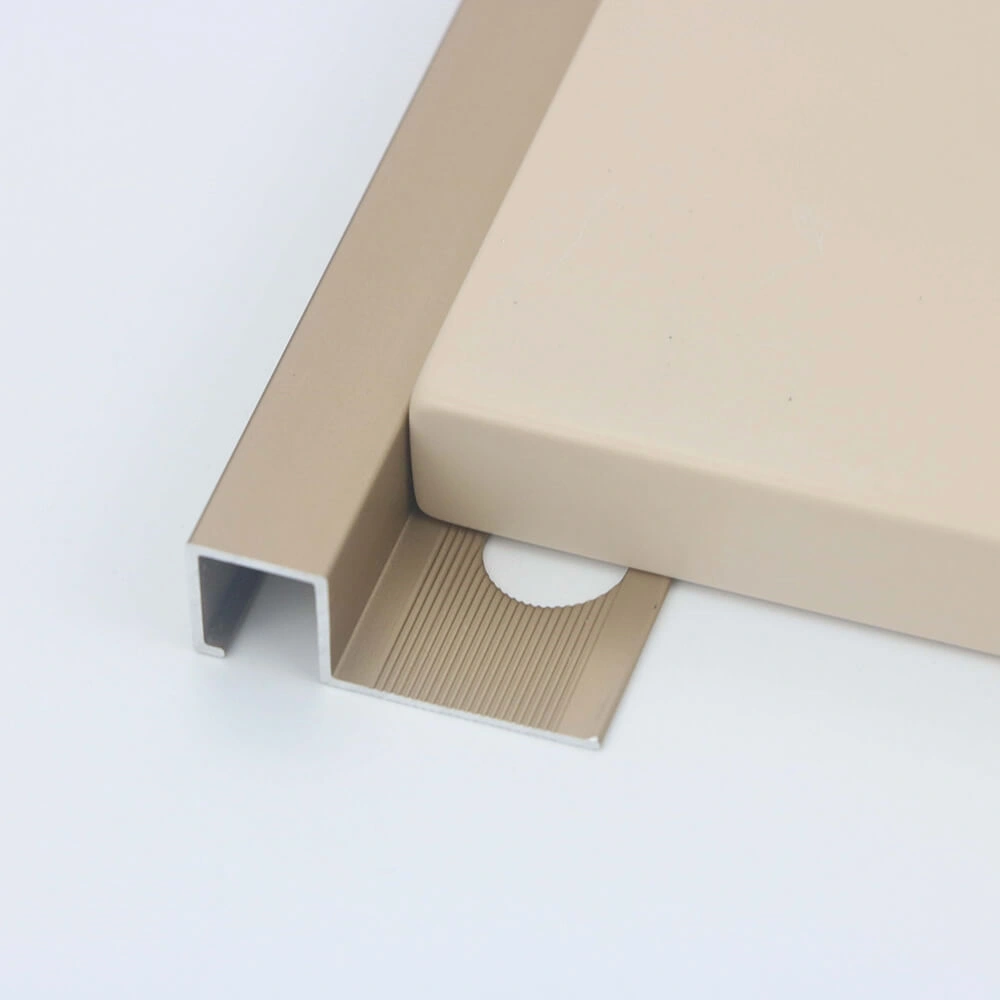
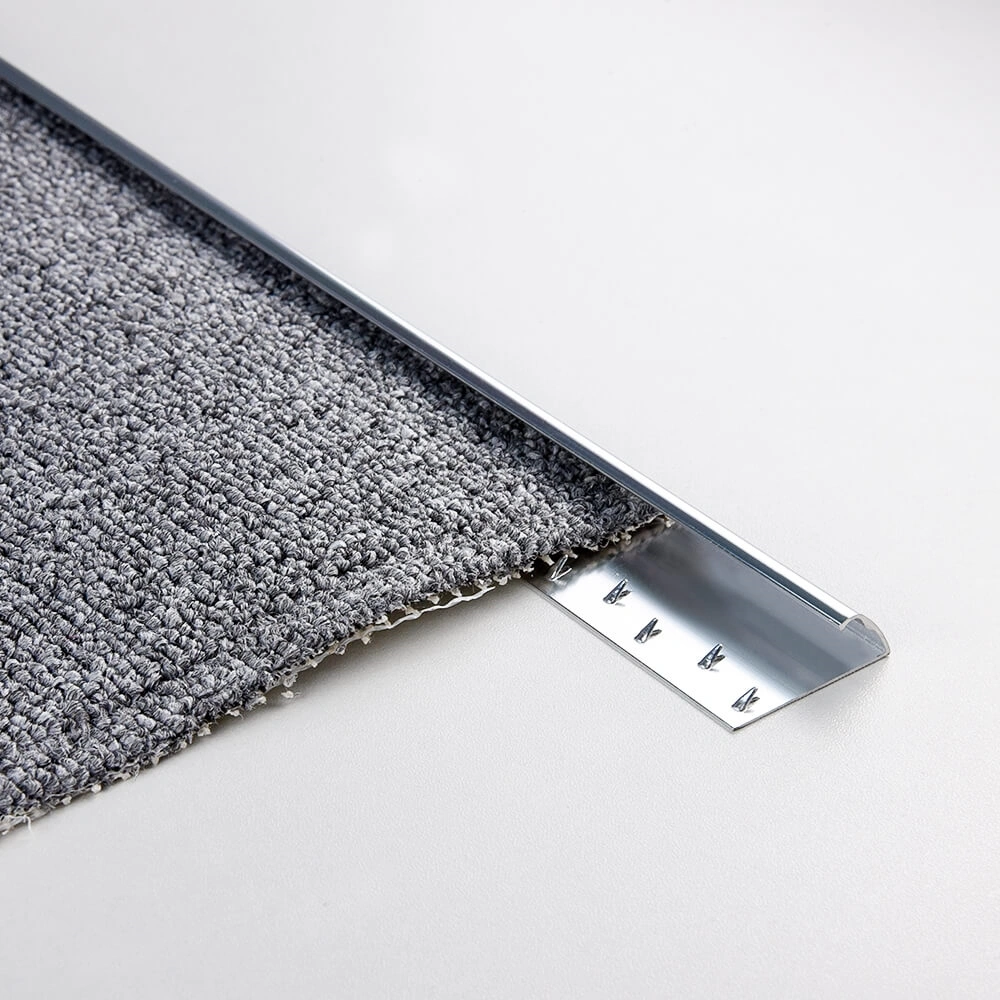
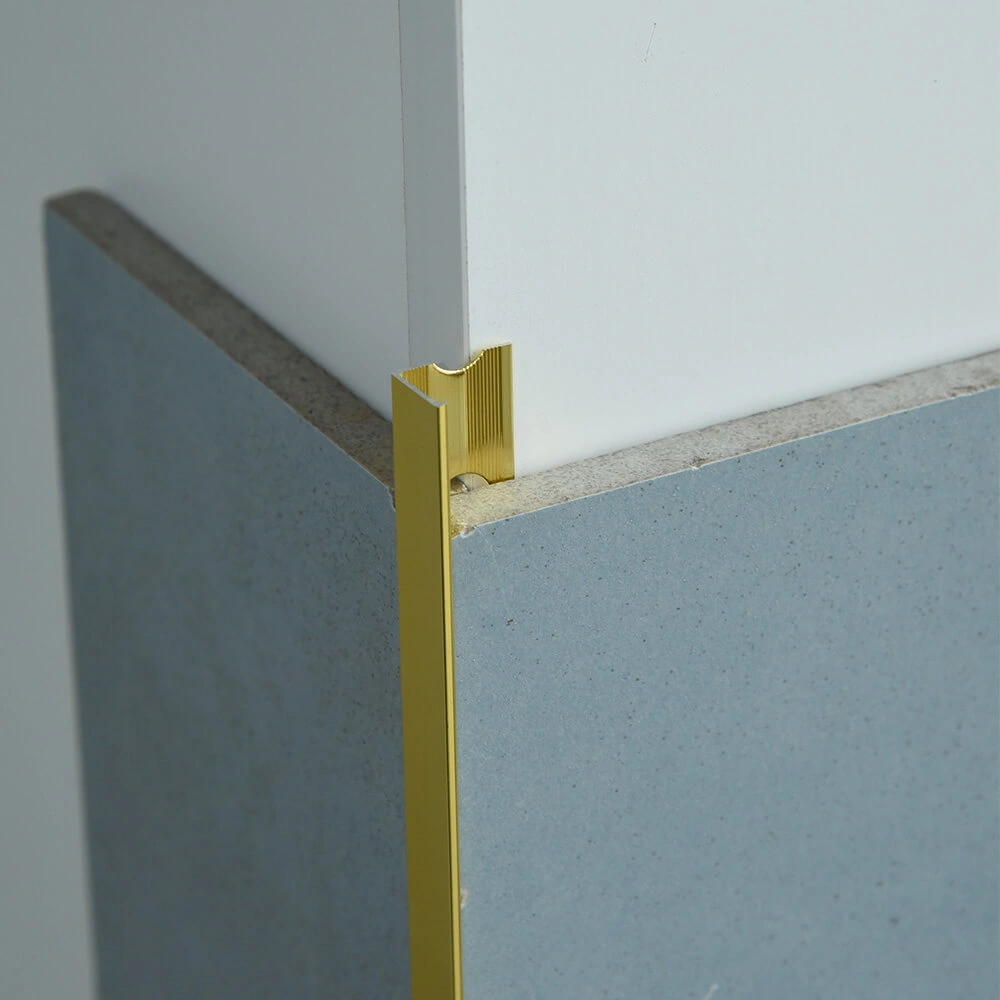
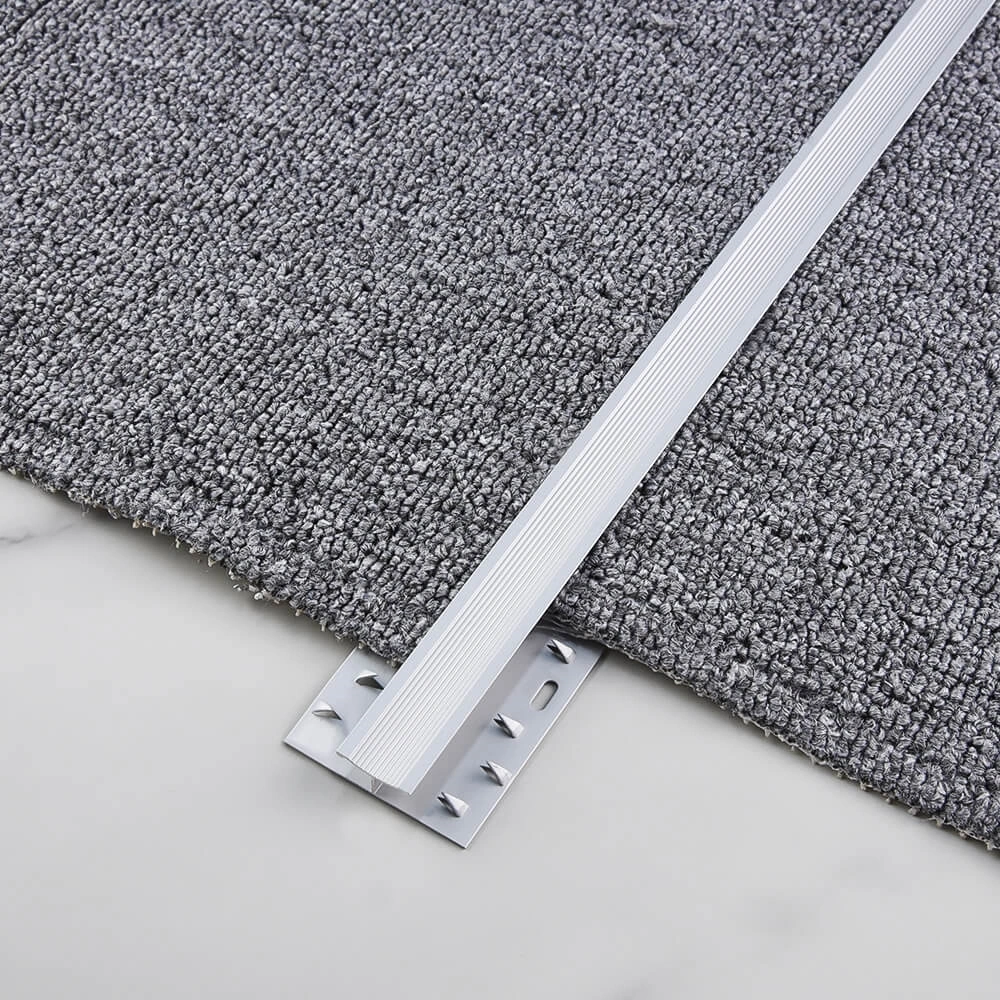
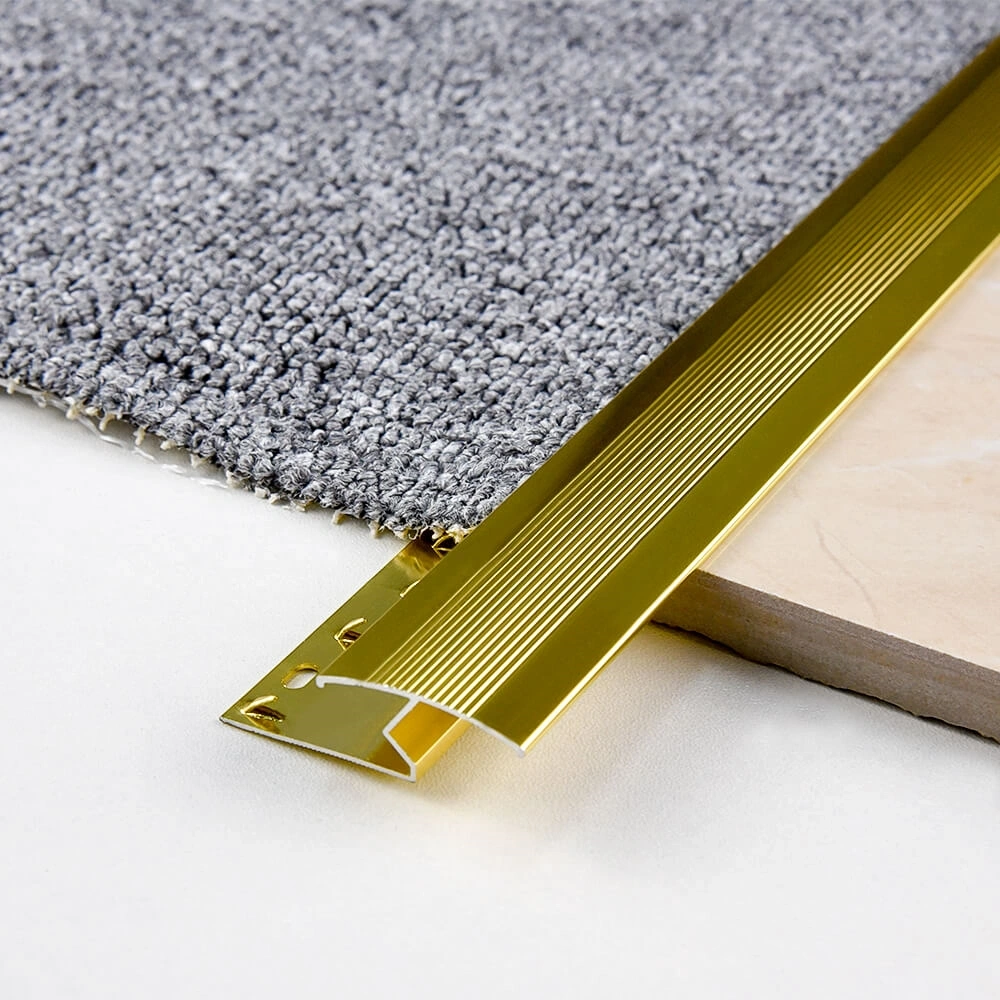
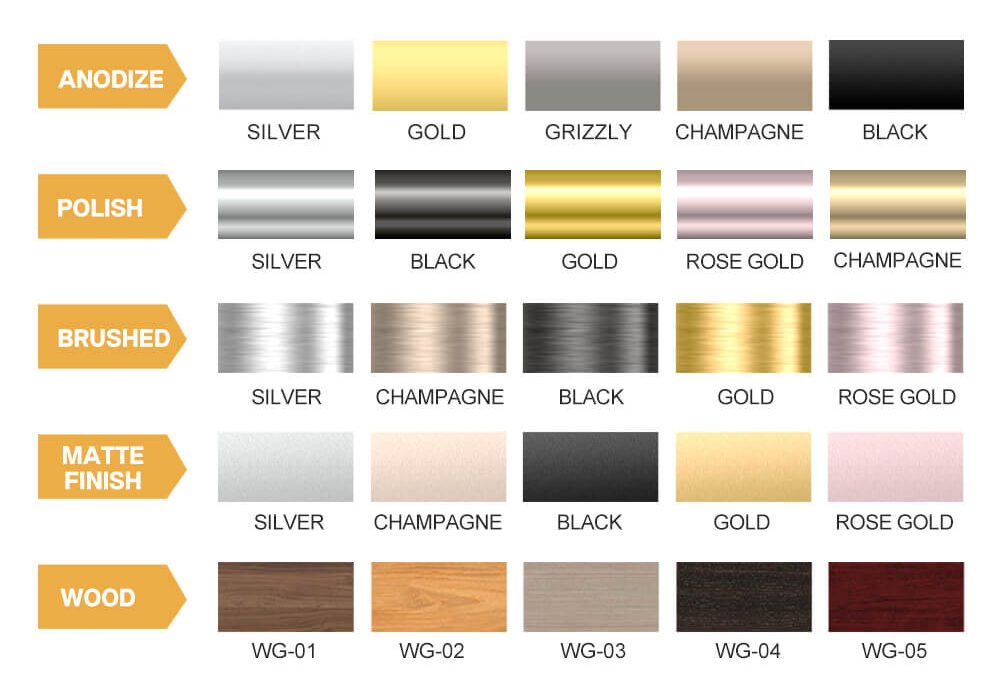
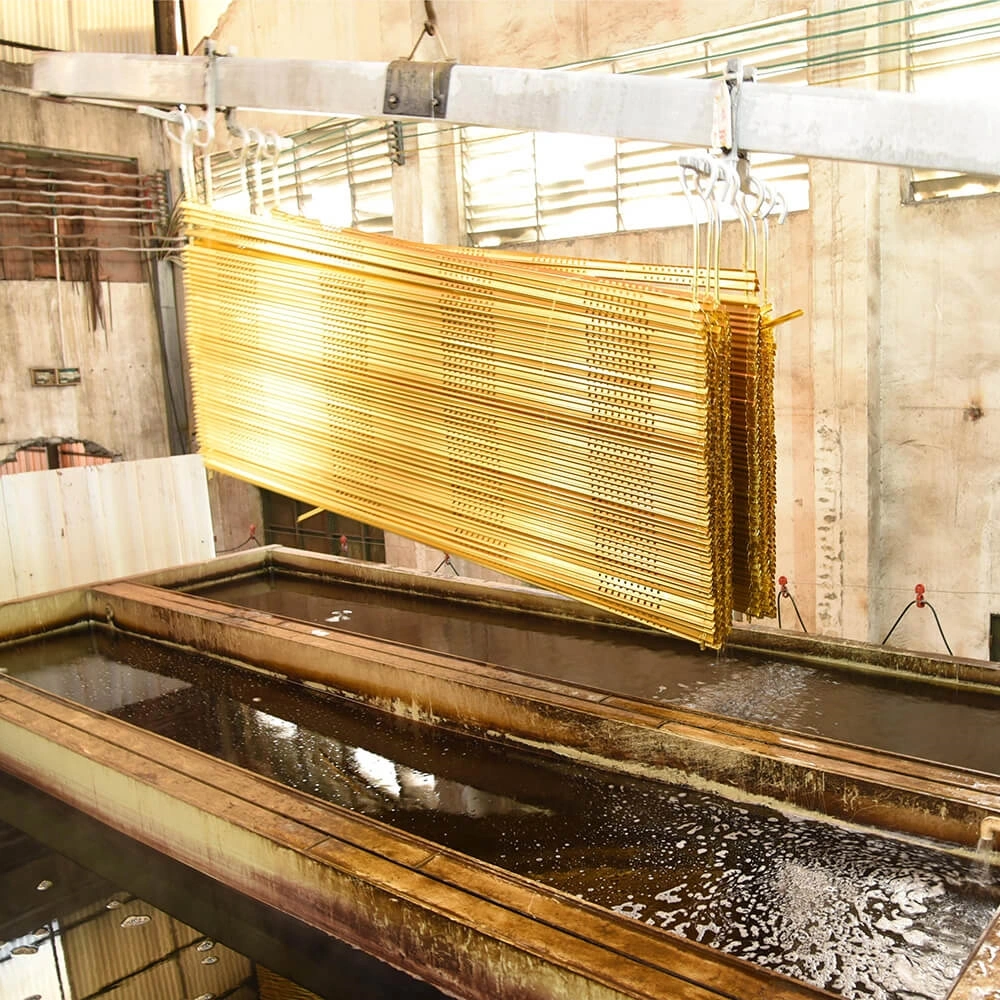
Surface Treatment:Anodize, Polish, Matt, Brushed, Powder Coating, Wood Grain, etc.
Application
Surface & Colors
Surface treatment and colors can be customized.
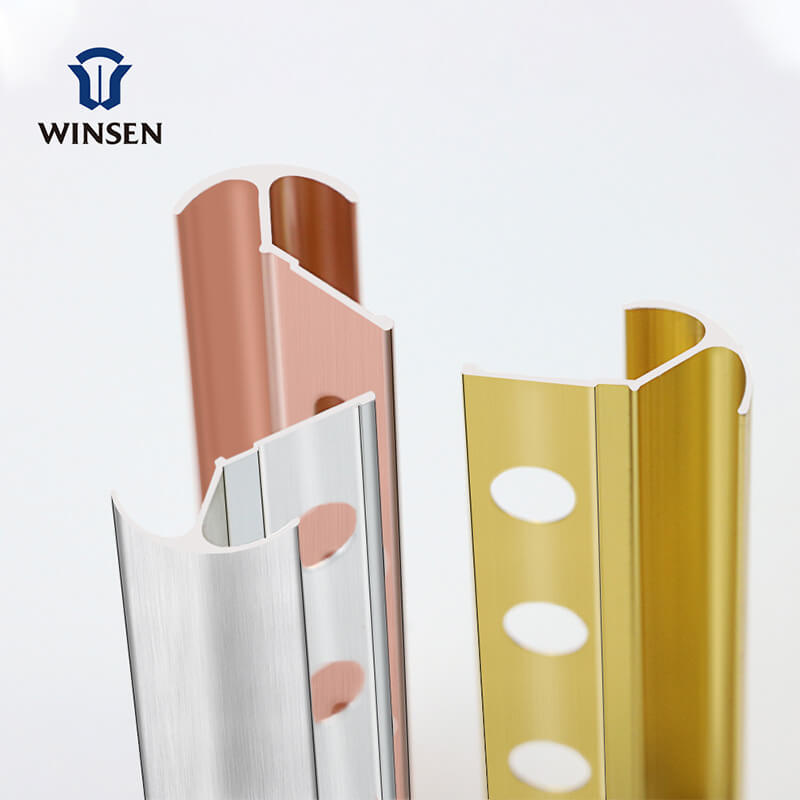
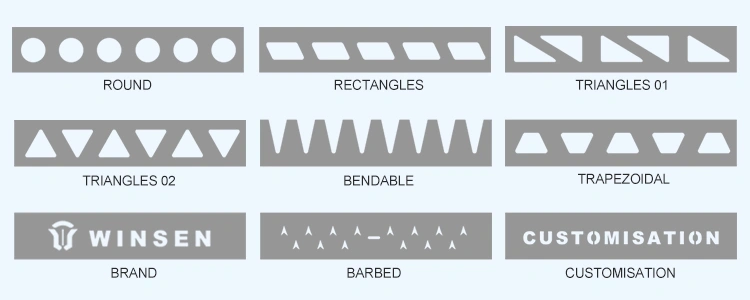
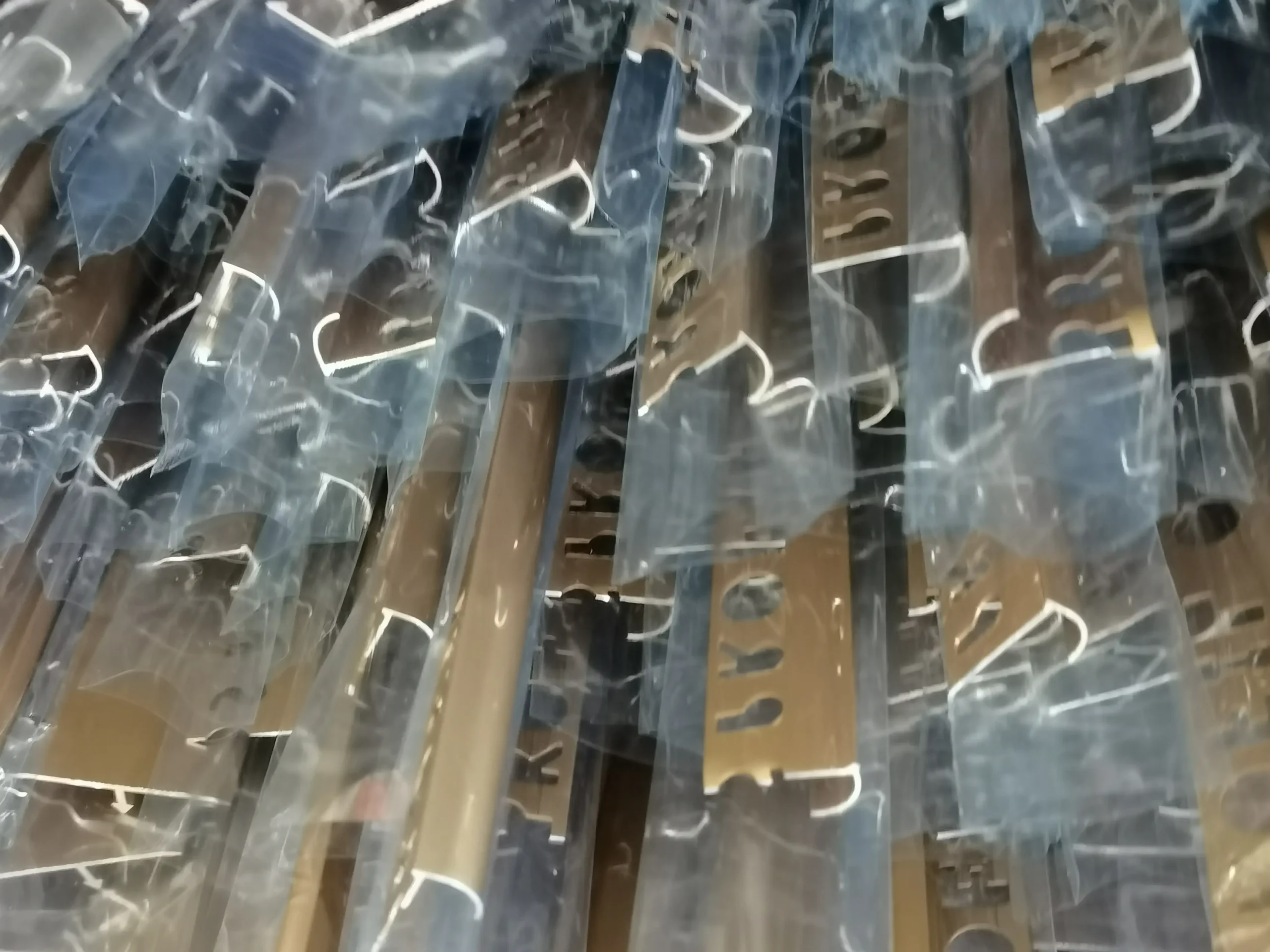
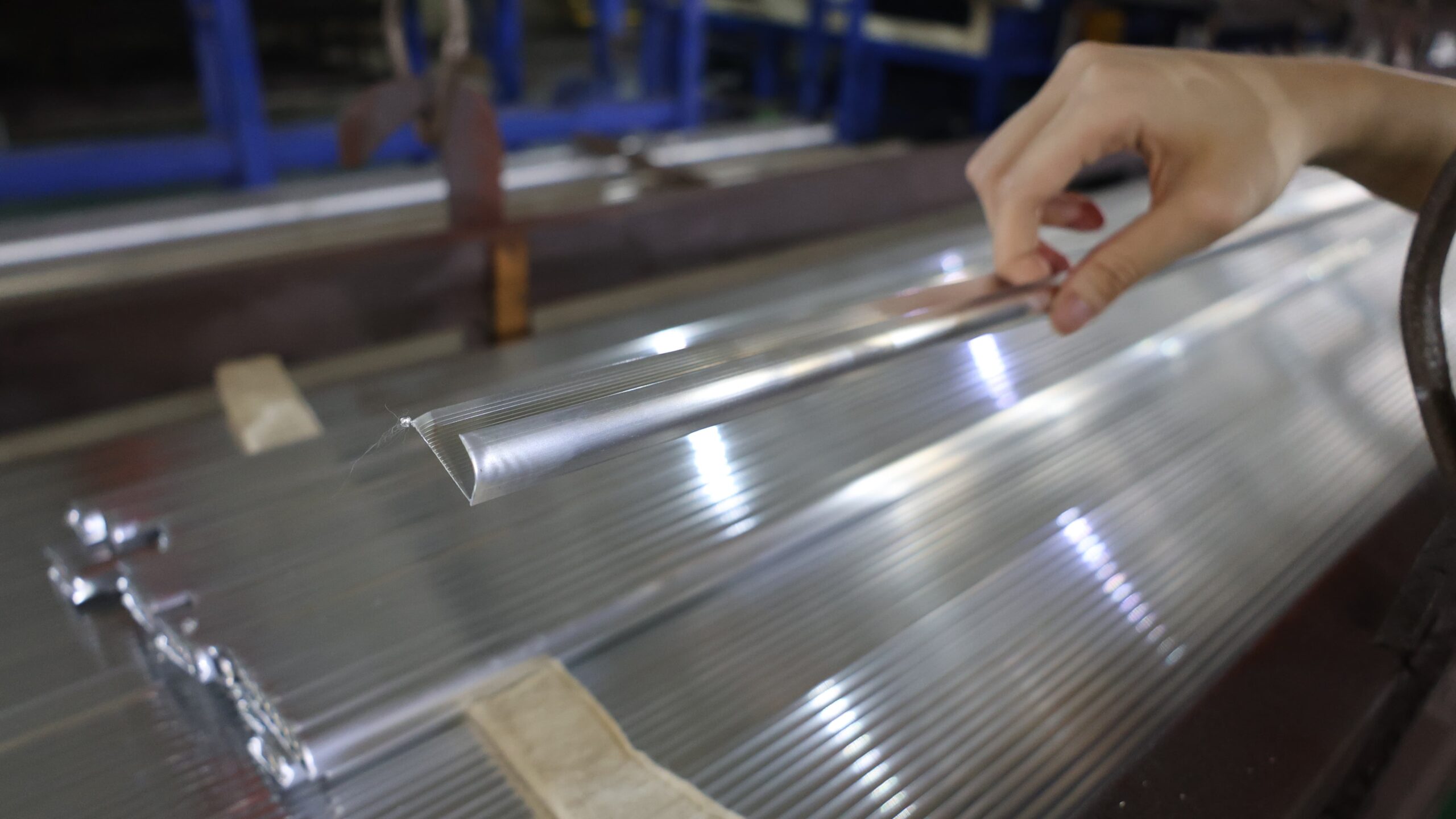
Punching Hole
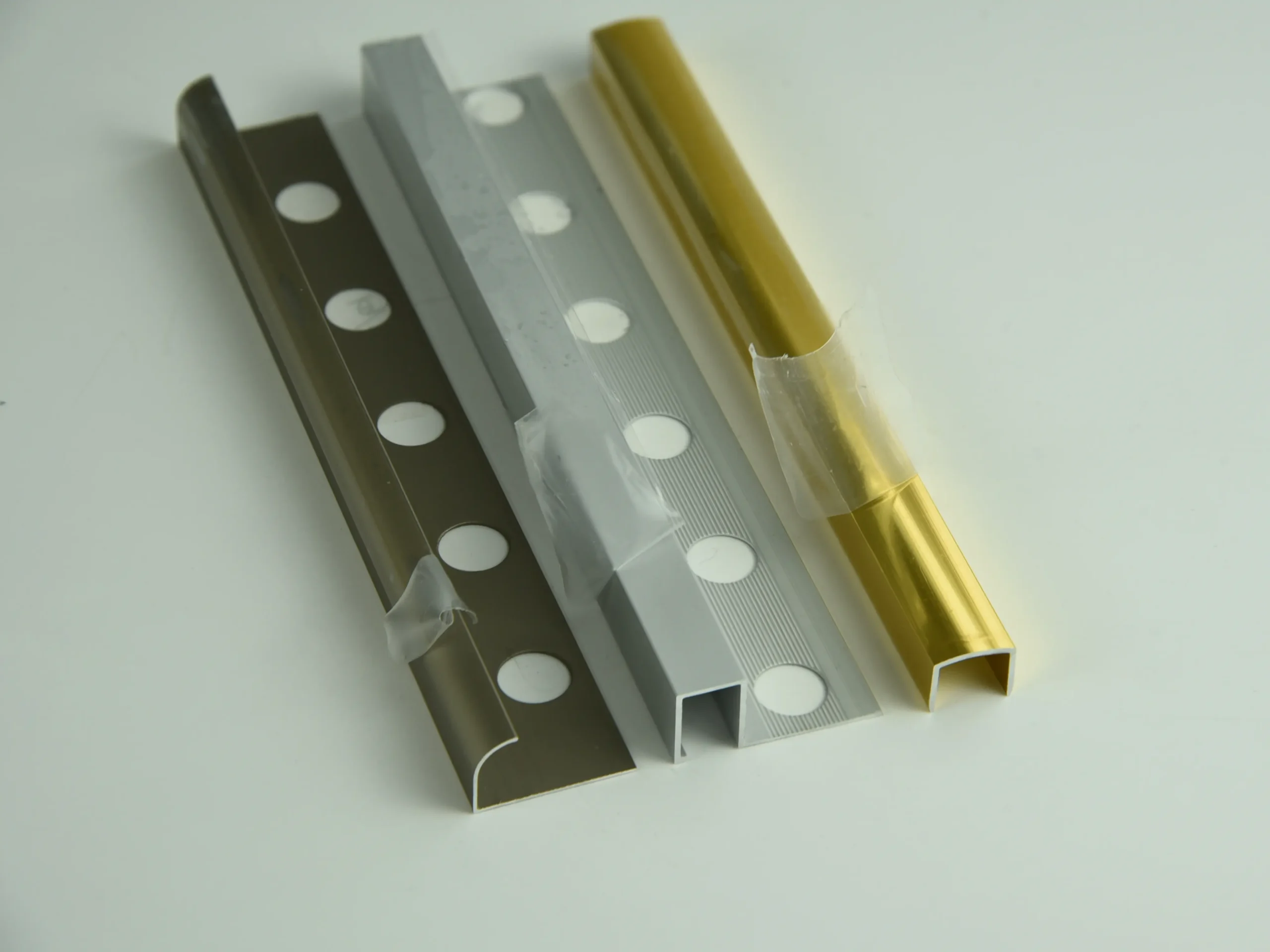
Customize anchoring hole patterns, dimensions, and positioning for optimal thin-set mortar bonding.
Available in standard and specialty punches (round, square, slot).
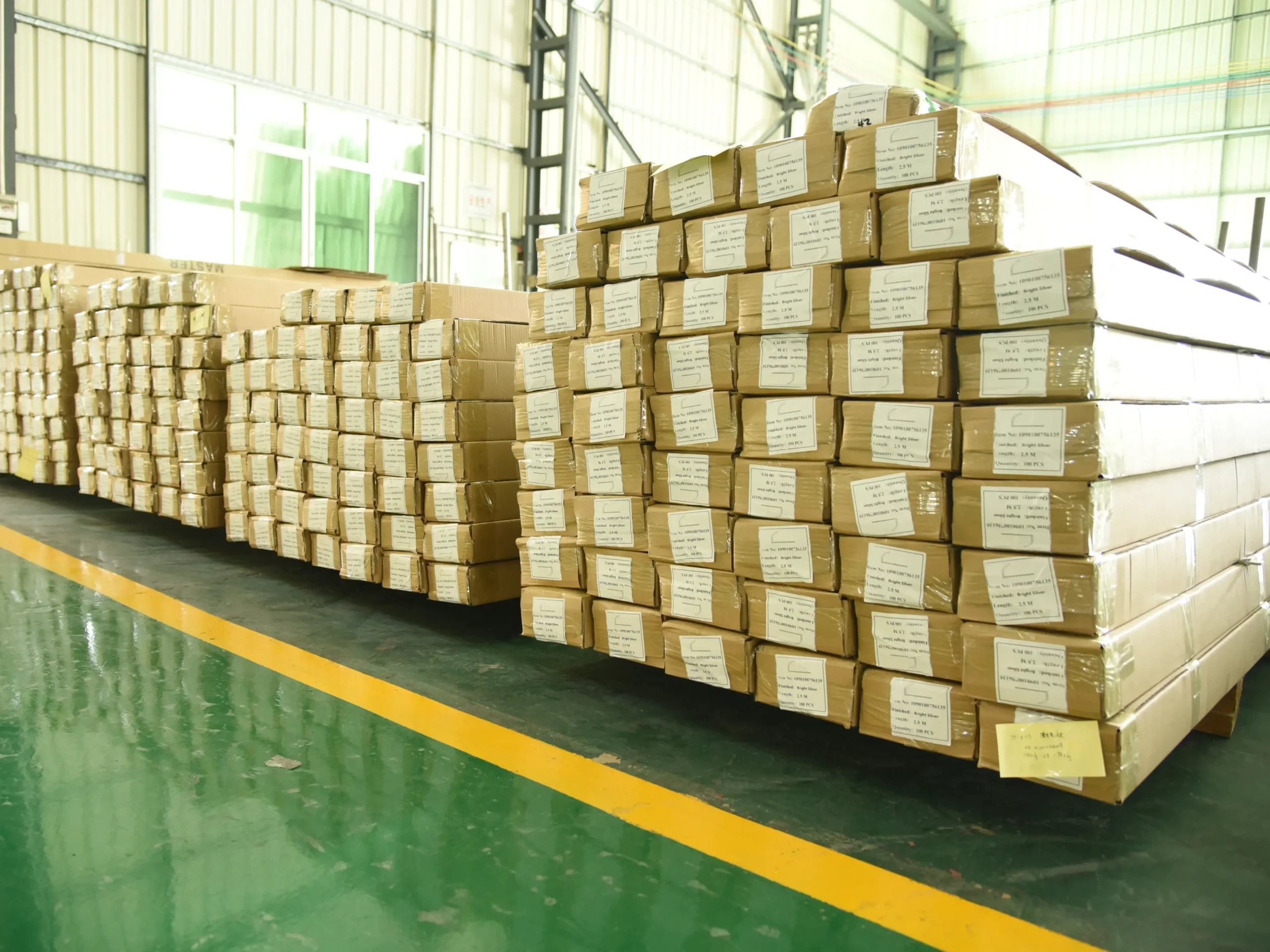
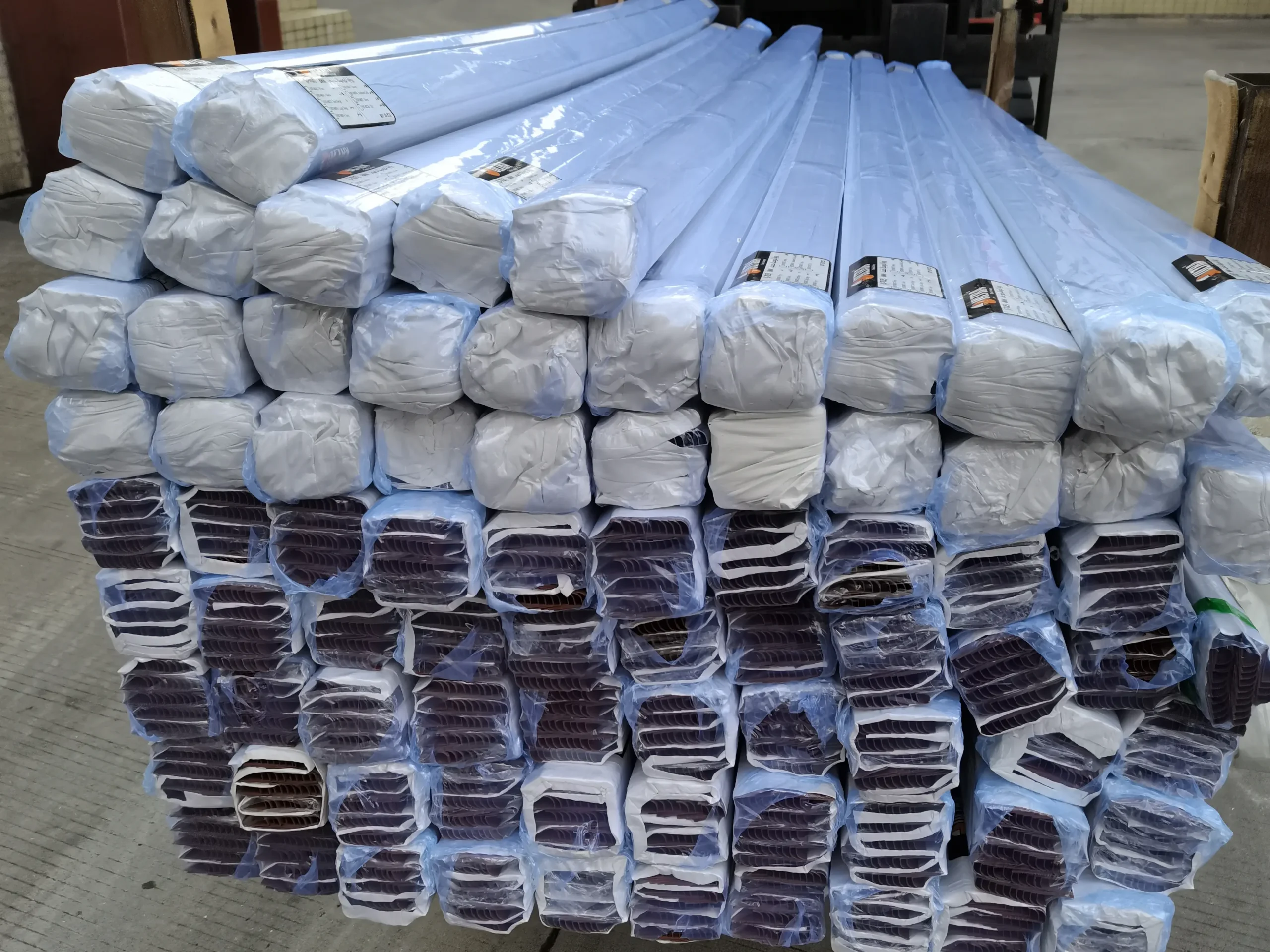
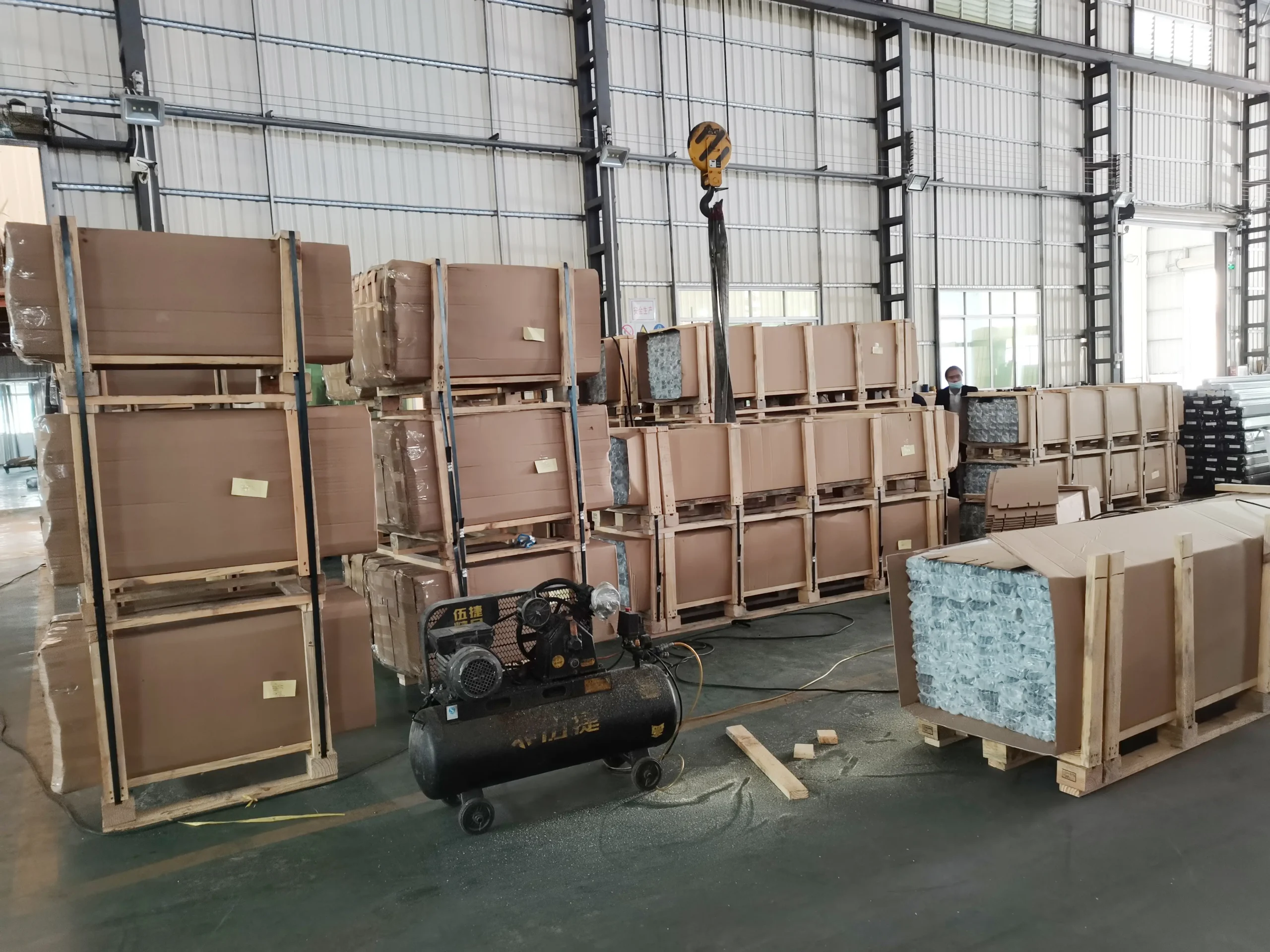
Package
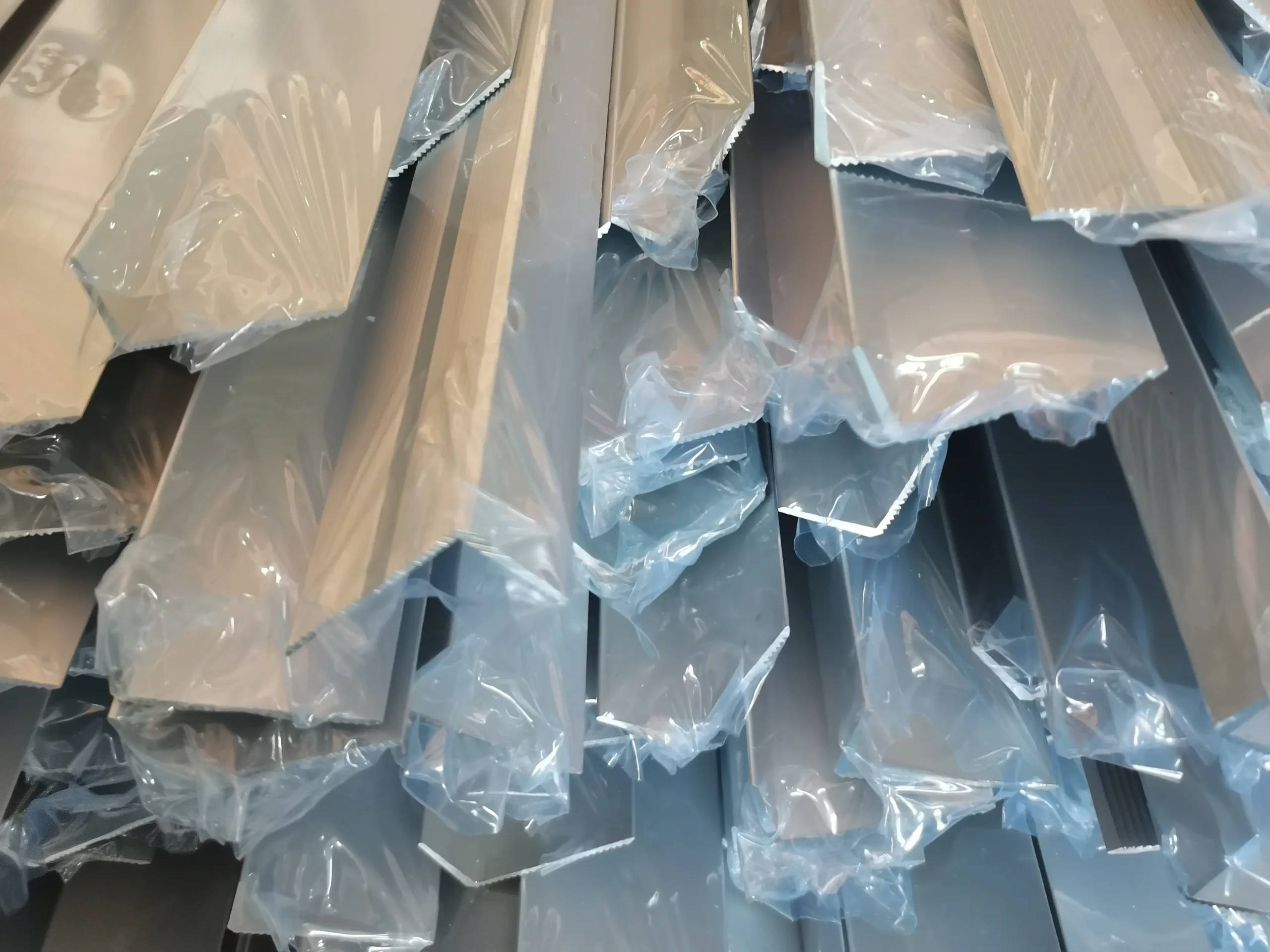
Shrink Wrapping
Protective Film
Single Bag
Carton
Paper Tube Packaging
Wooden/Steel Pallet
Capability
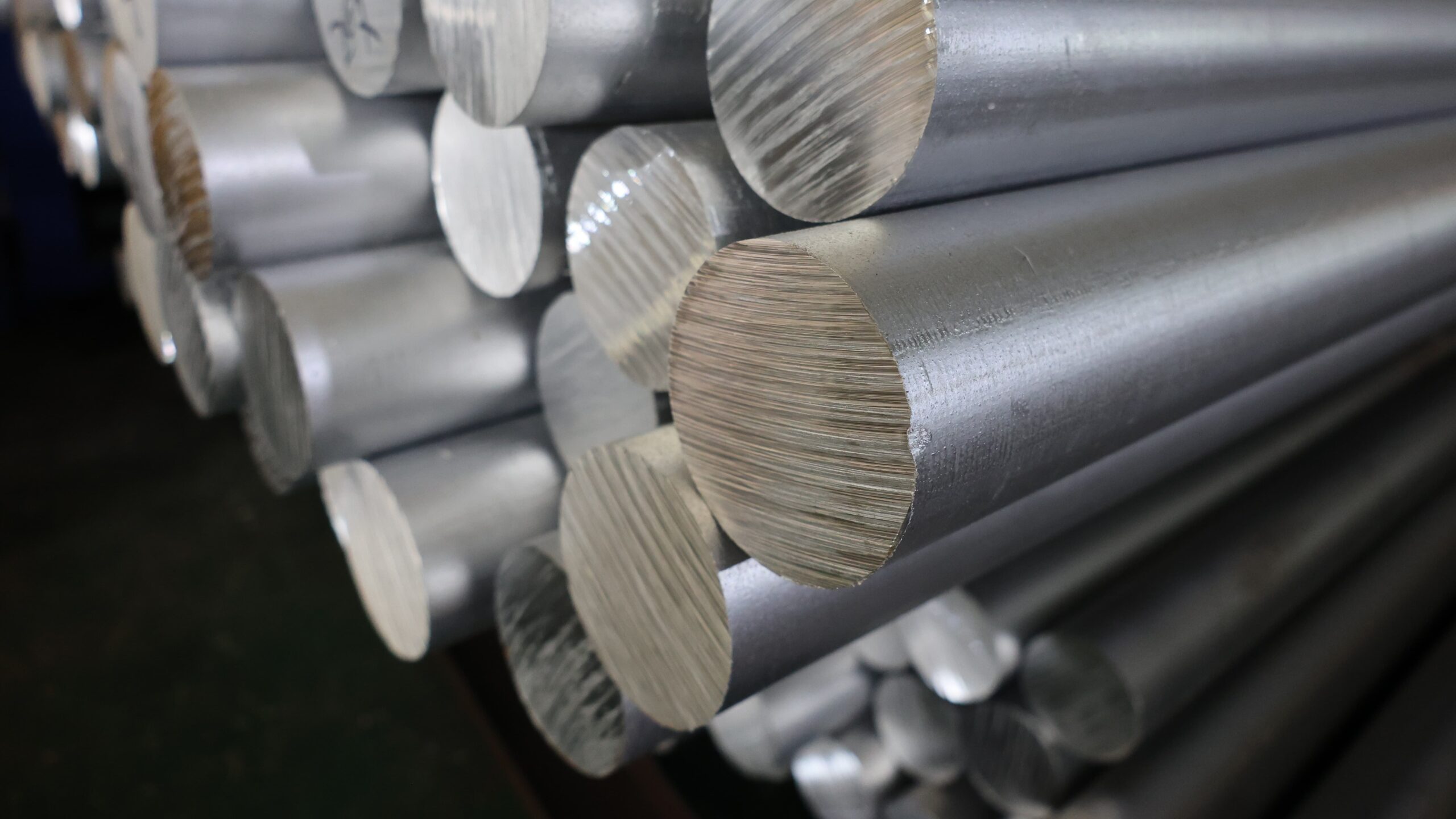
Premium Raw Material
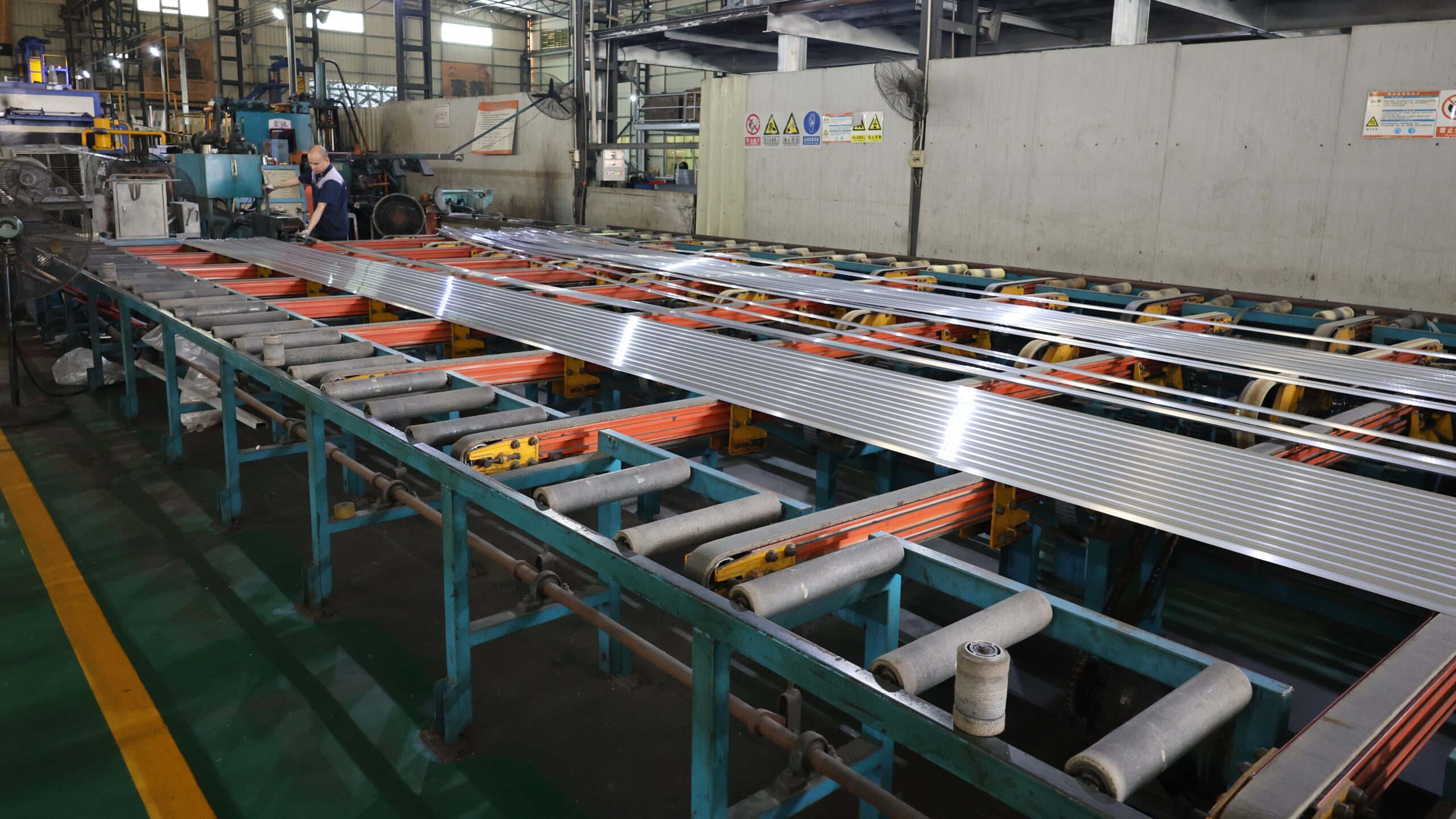
Flexible Extrusion Capacity
Strict Quality Control
OEM & ODM Customization
OEM&ODM
Flexible production for distributors, contractors, and private-label programs.
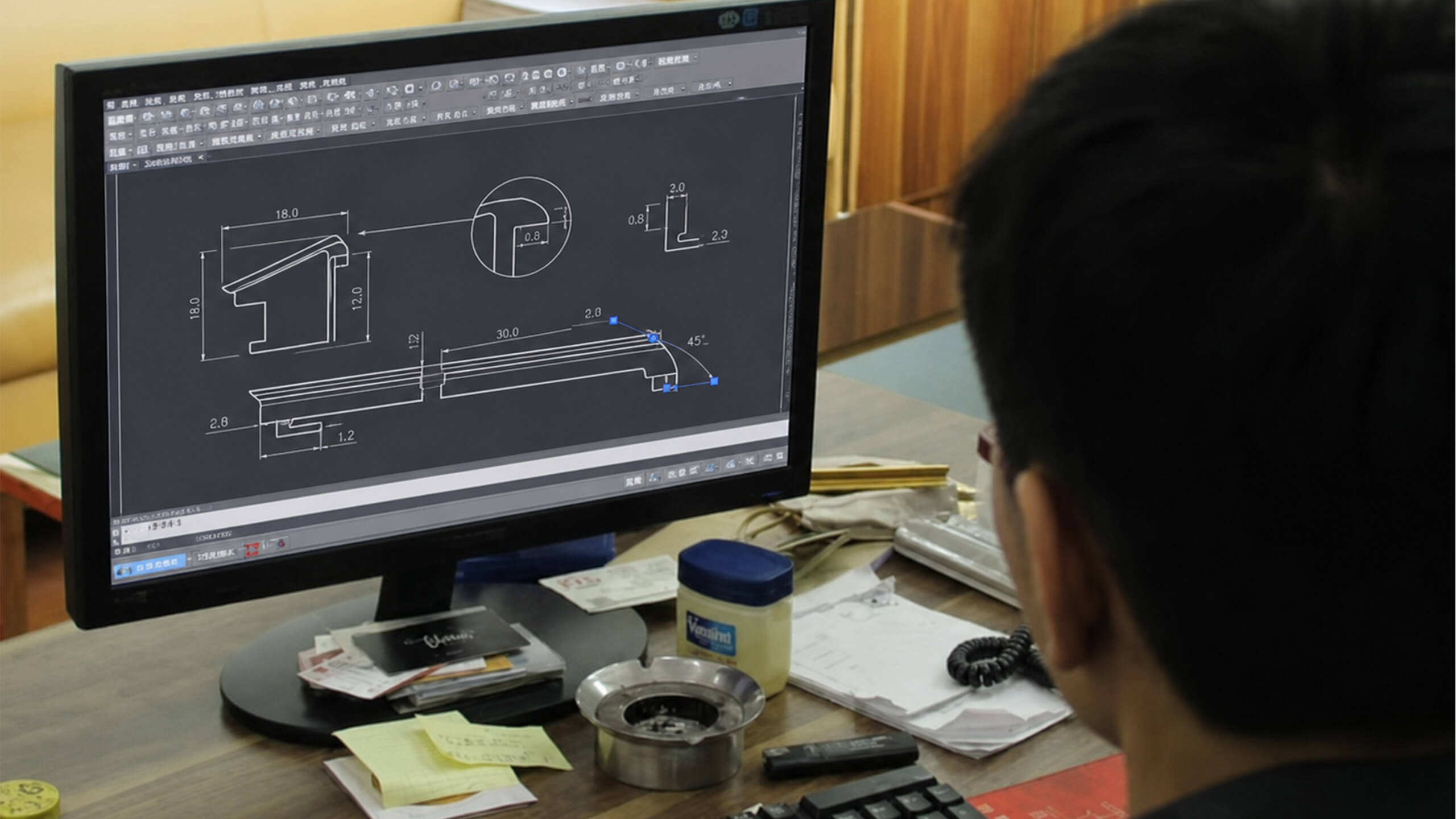
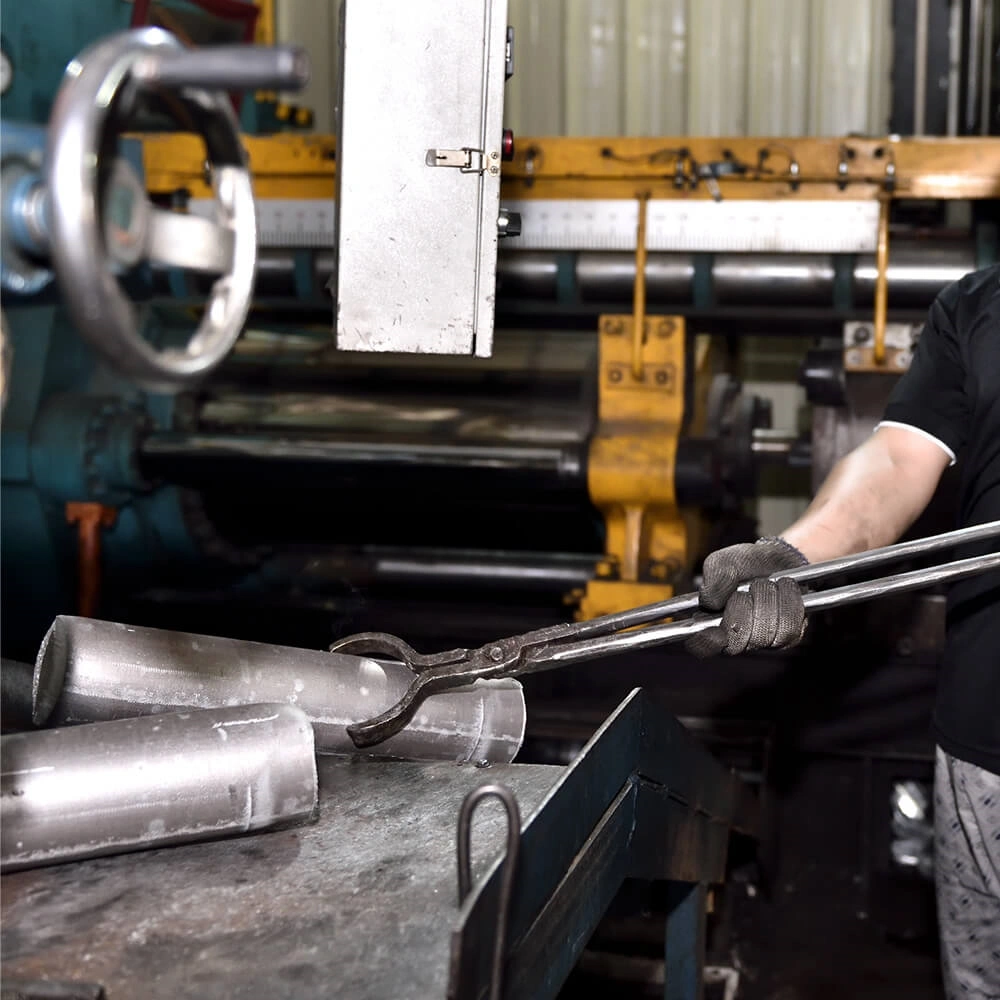
Precision extrusion & molds
3000+ extrusion dies support fast profile matching, new section development, and repeat production.
DWG→DIE→FIRST ARTICLE
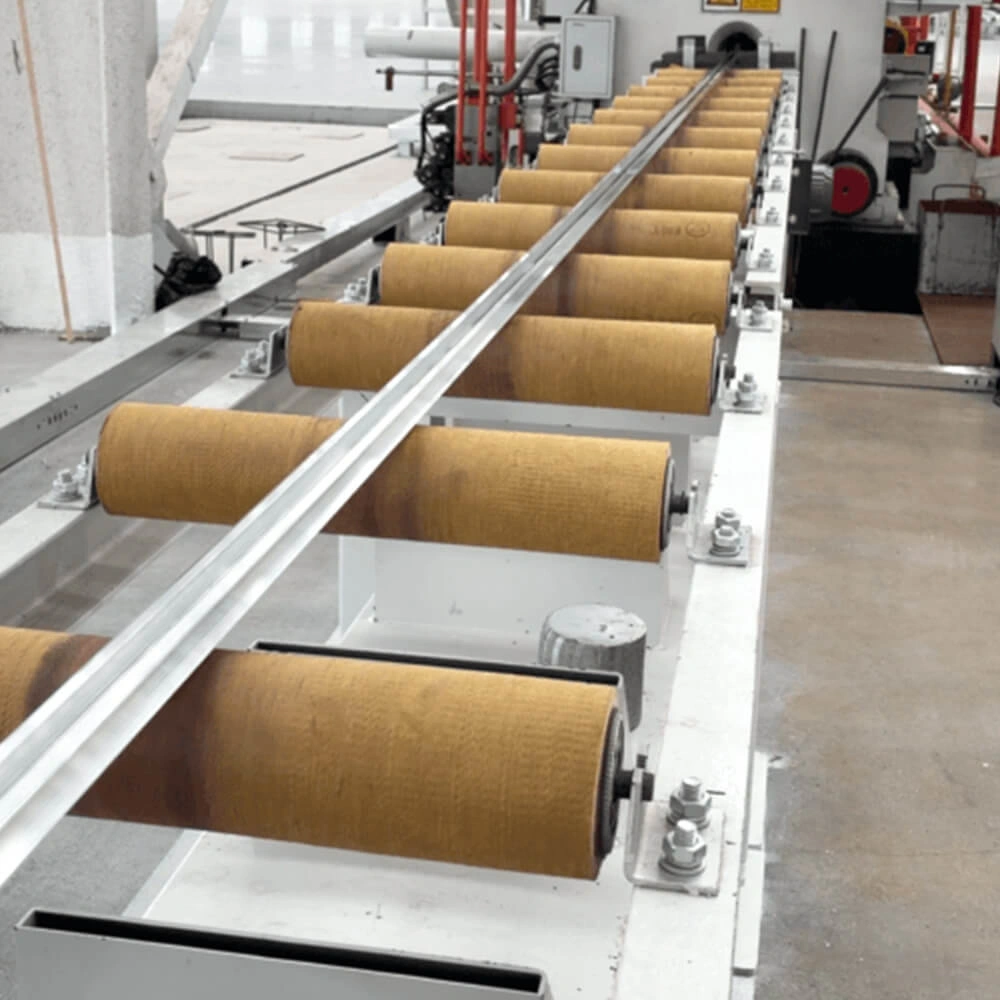
Batch-controlled finishes
Anodizing and powder-coating controls keep color and surface treament aligned across repeat shipments.
LAB SAMPLE→MASTER CHIP→BATCH
Punching, labeling & packing
Round, slot, or square mounting holes, branded protective film, and barcoded export cartons.
A: You must use a specialized formable metal profile (featuring a notched anchoring leg) that can wrap around the radius of the wall before embedding it into the thin-set mortar. Traditional rigid trims cannot conform to rounded surfaces; flexible trims seamlessly follow the contour of curved columns, round bathtubs, or serpentine walls while providing structural edge protection.
Q2: How to bend flexible tile trim for wavy edges?
A: Place the trim over a solid cylindrical template (like a PVC pipe) or use a manual profile bending machine to gently curve the metal. Avoid bending the trim sharply freehand, as this can kink or twist the visible metal lip. The specialized cut-outs in the anchoring flange allow the metal to compress and expand smoothly to match the exact arc of your design.
Q3: What is the best flexible metal tile trim for meandering edges?
A: It is a formable aluminum or brass profile specifically engineered with a deeply serrated or punched anchoring leg. These profiles effortlessly follow irregular, organic shapes such as custom garden pathways, rounded shower step-ups, and decorative floor inlays where traditional straight trims are impossible to use.
Q4: When should I use an aluminum bendable tile transition strip 10mm?
A: You should use an aluminum bendable tile transition strip 10mm when bridging standard 8mm to 9mm thick tiles across a curved floor boundary. The 10mm depth provides sufficient space for both the tile and the thin-set mortar, while the bendable design ensures a flush, trip-free transition between a curved tile layout and adjacent materials like hardwood, carpet, or polished concrete.
Q5: Why would a project require a custom punching hole irregular tile profile?
A: A project requires a custom punching hole irregular tile profile when unique architectural curves demand a specific, extreme degree of flex that standard off-the-shelf trims cannot achieve. By customizing the size, shape, and spacing of the punch holes on the anchoring flange, manufacturers can precisely control the minimum bending radius, allowing installers to wrap extremely tight columns or complex wave patterns without snapping the metal.
Need a Custom Profile?
Don’t see the exact dimension or finish your project requires?
We specialize in full OEM & ODM manufacturing. Submit your specifications or customization demand, let our in-house engineering team bring your exact blueprint to life.