Tile Trim
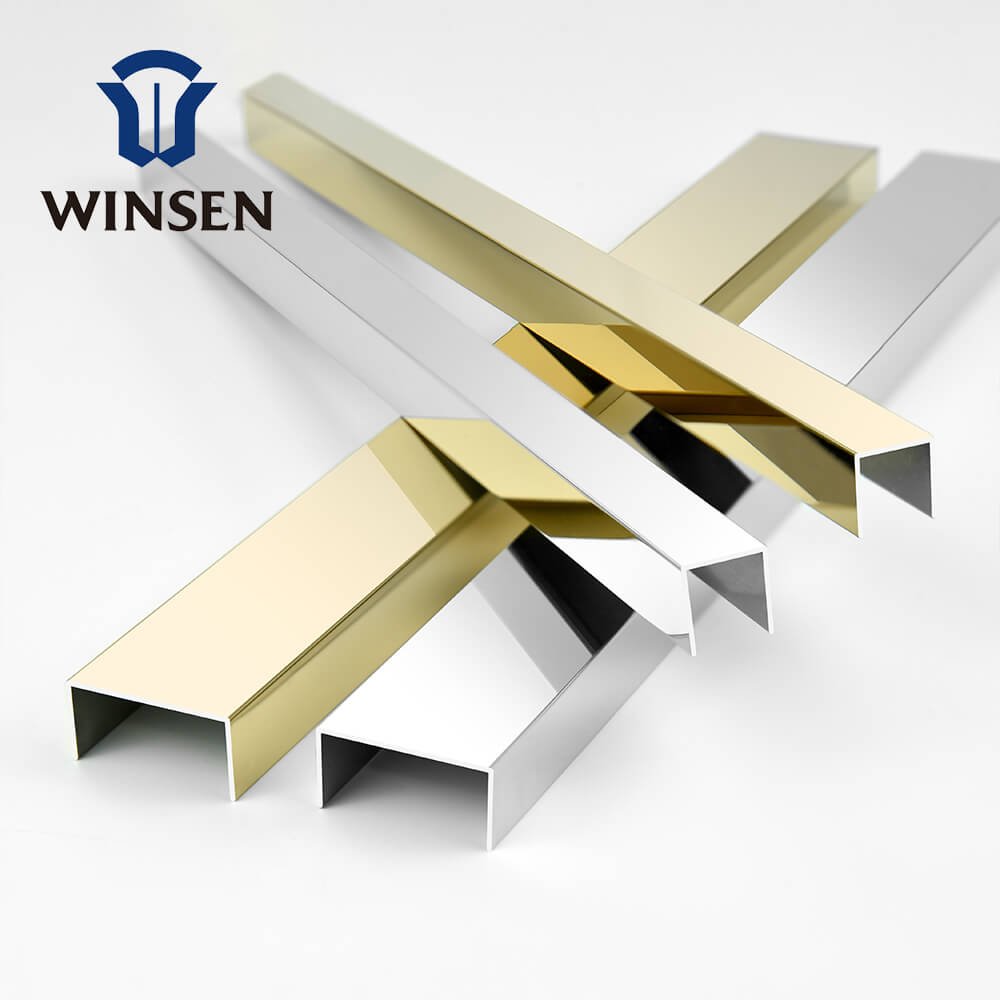
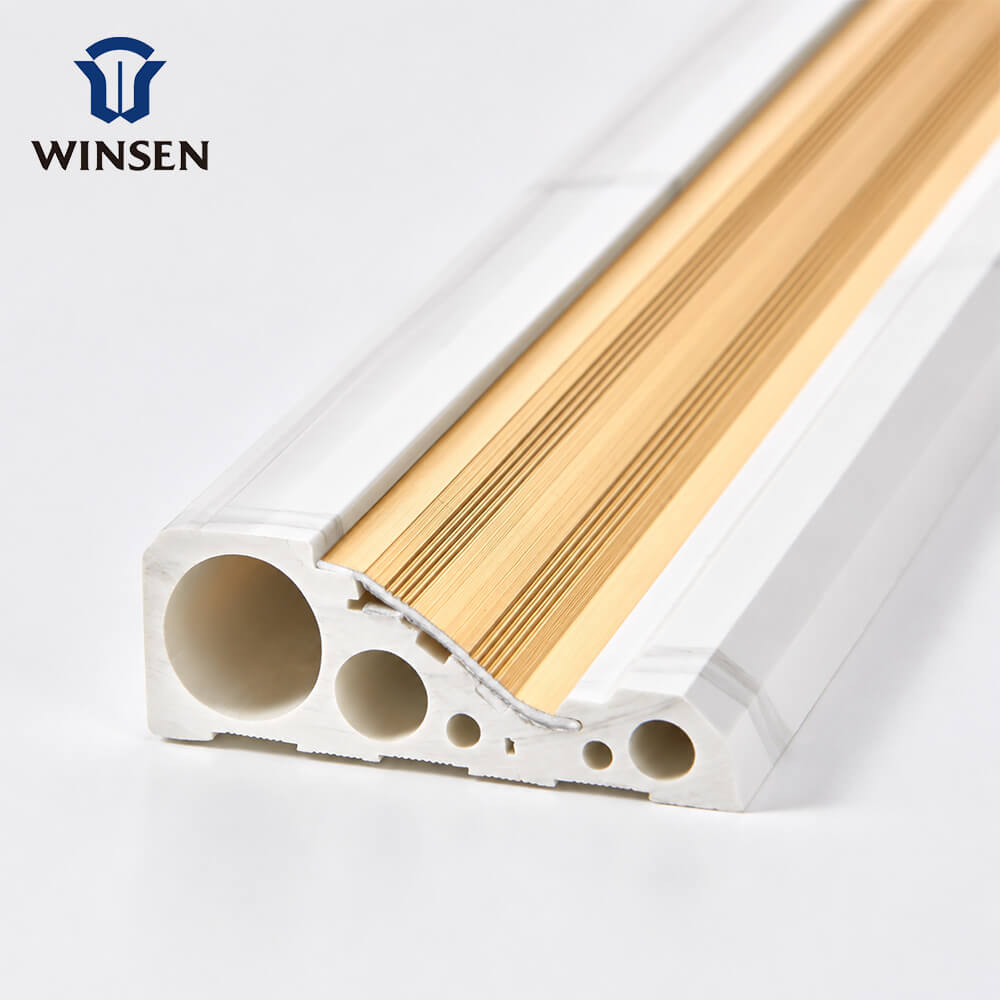
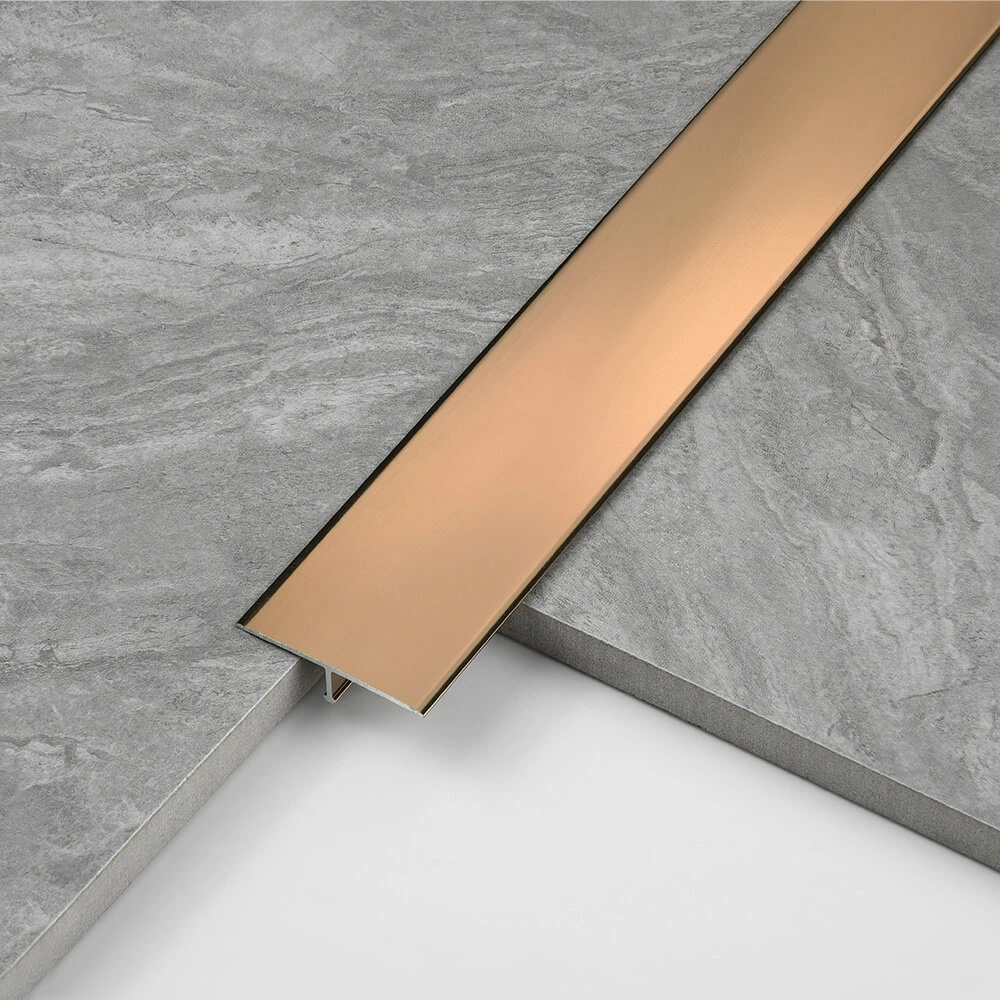
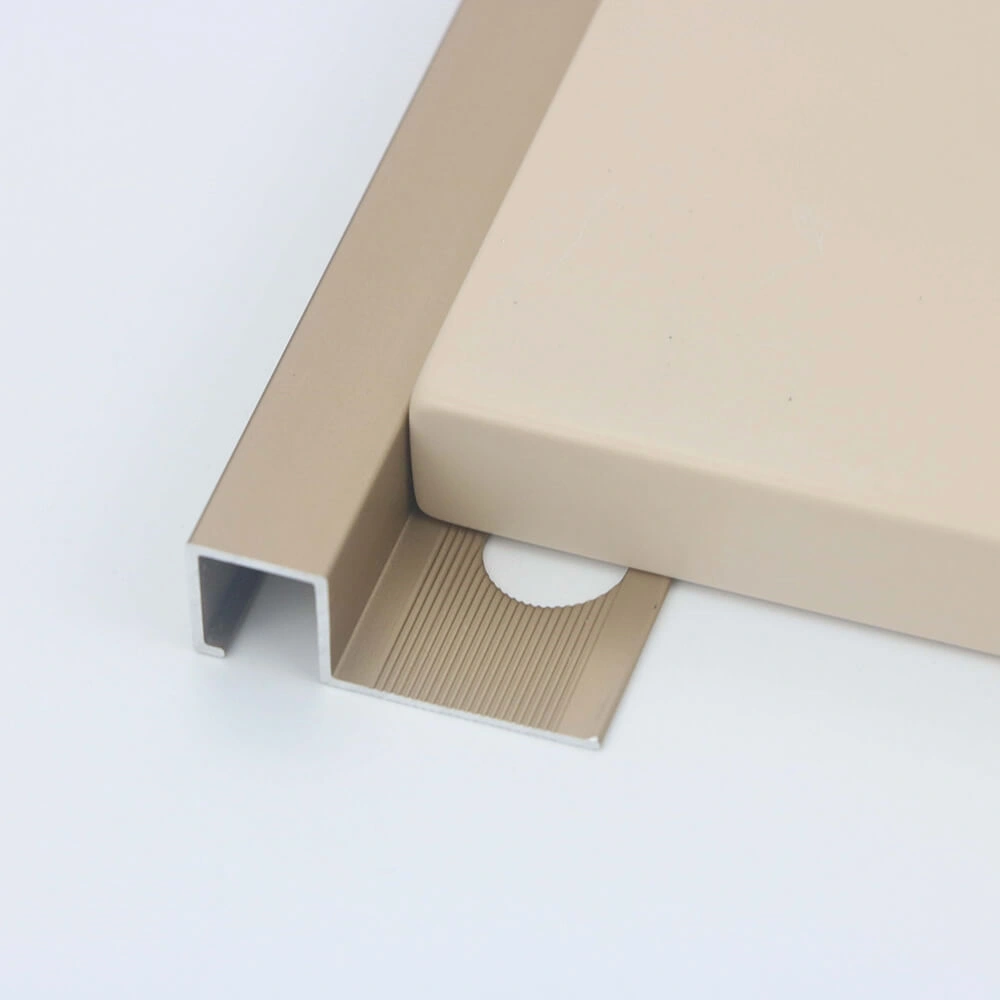
Achieve flawless architectural transitions and permanent structural protection with WINSEN tile trim, our complete collection seamlessly resolves unfinished edges and eliminates fragile miter cuts, delivering a crisp, professional finish across luxury residential and commercial fit-outs.
- Structural Edge & Impact Defense
- Precision Grout Lines & Seamless Transitions
- Accelerated Zero-Miter Installation
Material Selection Guide
| Selection Factor | Aluminum | Stainless Steel | PVC | Stone |
|---|---|---|---|---|
| Core Characteristics | Lightweight, easy to fabricate, and available in anodized, polished, and powder-coated finishes. | Strong metallic edge protection with good resistance to mechanical stress. Corrosion performance depends on the steel grade. | Lightweight, economical, and available in multiple colors. Best suited to areas with limited mechanical stress. | Natural texture and color variation. Performance depends on the stone species, mineral composition, and finish. |
| Hardness Reference* | 6063-T5: approximately 60 HB, a typical base-metal reference. Confirm the supplied alloy and temper; this value does not describe coating hardness. | Published ASTM A240 reference limits: 304 ≤201 HB; 316 ≤217 HB. These are maximum specification limits, not typical measured values or finished-profile guarantees. | Example rigid PVC-U reference: 82 Shore D, measured after 15 seconds under ISO 868 for SIMONA PVC-CAW sheet. WINSEN trim requires formulation-specific confirmation. | Mineral references: calcite 3, orthoclase feldspar 6, and quartz 7 on the Mohs scale. These explain differences between stones; they are not a single hardness rating for every stone trim. |
| Durability & Maintenance | Suitable for everyday interior use. Protect the finish from scratching and remove mortar or grout residue promptly. | Suitable for demanding use when correctly specified. Regular cleaning helps prevent deposits and surface staining; stainless steel is not immune to corrosion. | Suitable for low-impact use. Confirm UV and temperature suitability before specifying outdoor or heat-exposed installations. | Hard stones can resist scratching well, but exposed edges may chip. Porous varieties may need sealing; sealing does not prevent acid etching. |
| Corrosion / Chemical Resistance | Protection depends on the finish and exposure. WINSEN’s page lists AA10: ≥10 μm and AA15: ≥15 μm average anodic film thickness. These are coating thickness classes, not universal corrosion ratings. | Published reference PRE values: 304 / EN 1.4301 ≈18; 316 / EN 1.4401 ≈24. Higher PRE indicates greater relative resistance to chloride pitting, not immunity. | Does not undergo metallic rusting. Chemical compatibility depends on the PVC formulation, chemical concentration, and temperature; no universal numeric corrosion grade applies. | No universal numeric corrosion grade applies. Calcareous stones such as marble are vulnerable to acidic cleaners; siliceous stones generally offer better resistance to common household acids. |
| Recommended Applications | Interior wall corners, backsplashes, and decorative tile edges. Select a suitable anodized finish for wet interiors. | Commercial corners, floor transitions, kitchens, and frequently cleaned areas. | Residential bathroom walls, kitchen backsplashes, and other light-duty interior edges. | Coordinated stone wall borders, decorative corners, and countertop details. |


Technical Data Sheet
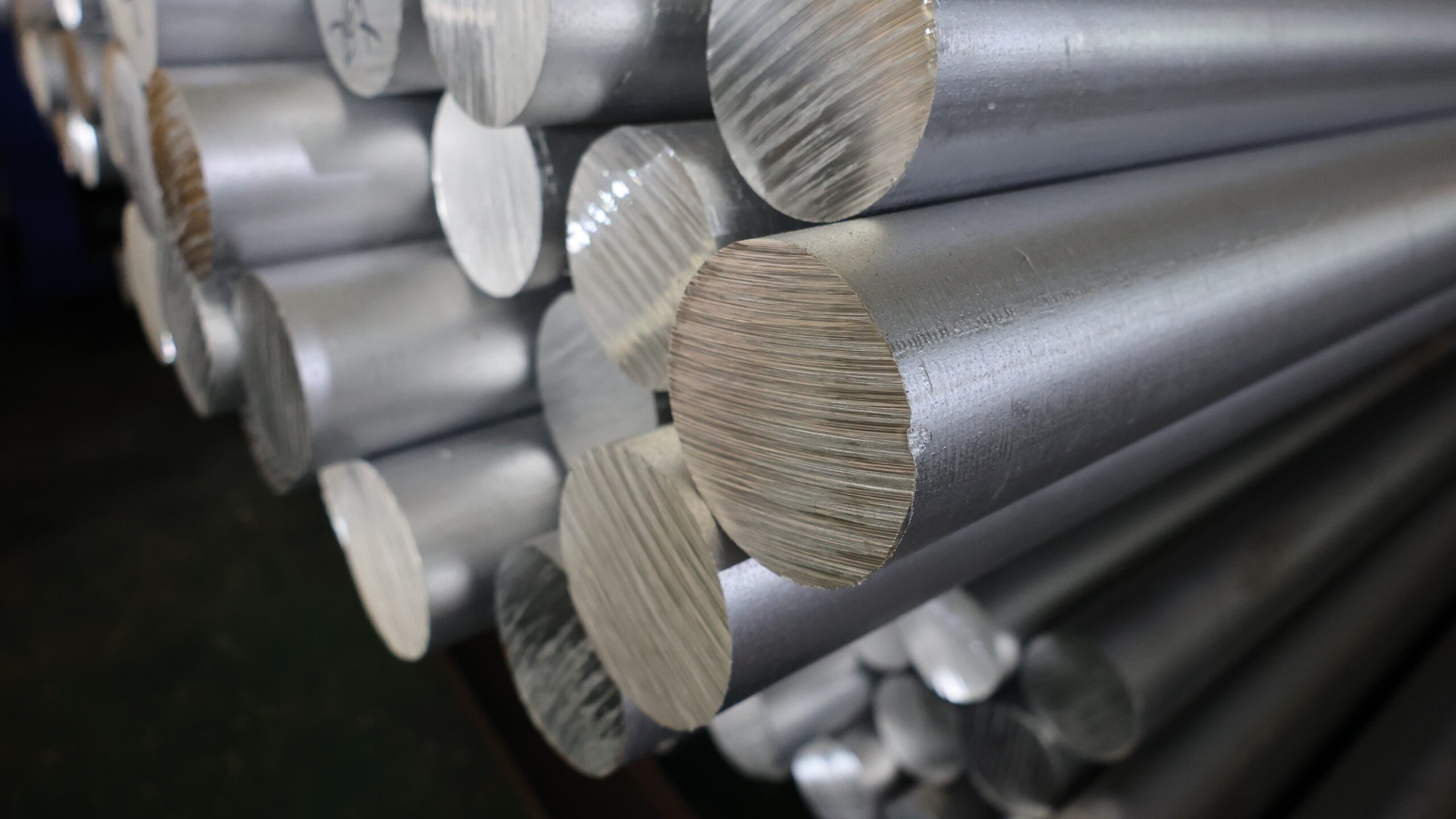
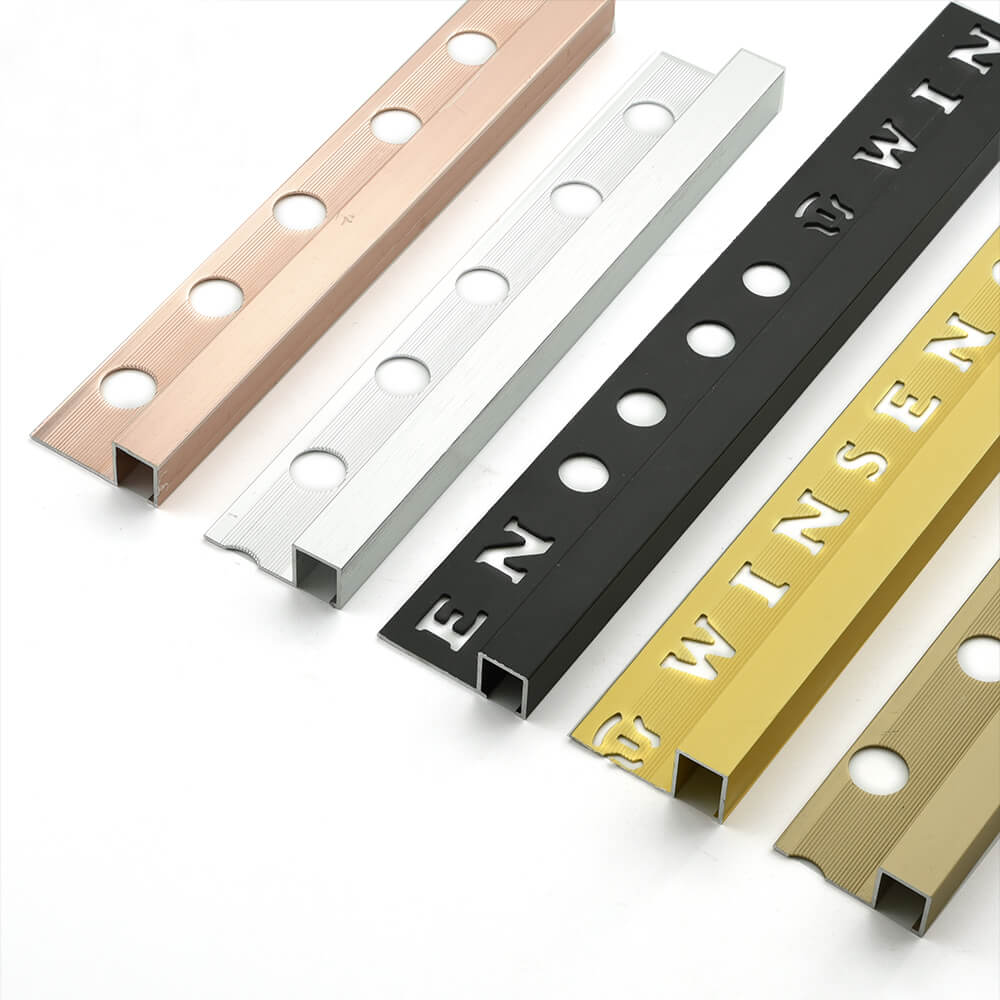
- Raw Material:6063/6463 Aluminum Alloy
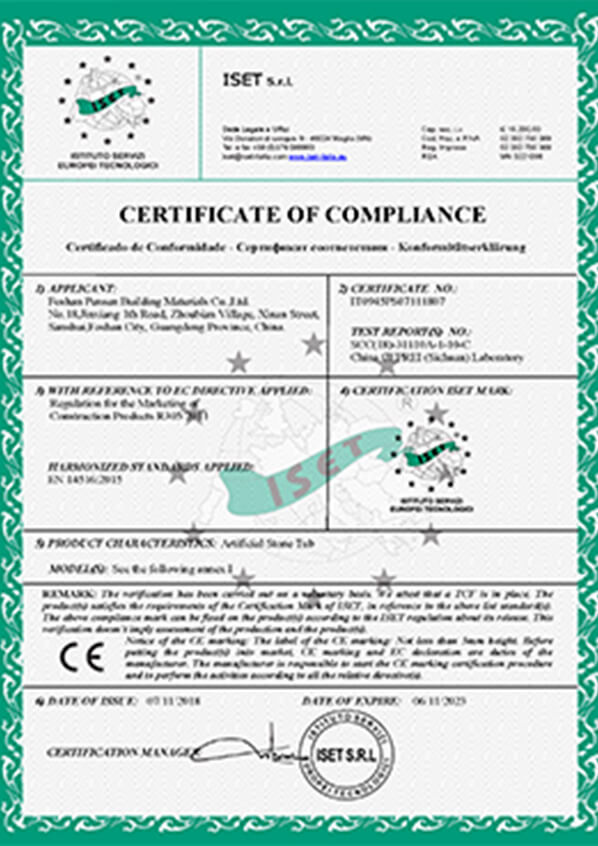
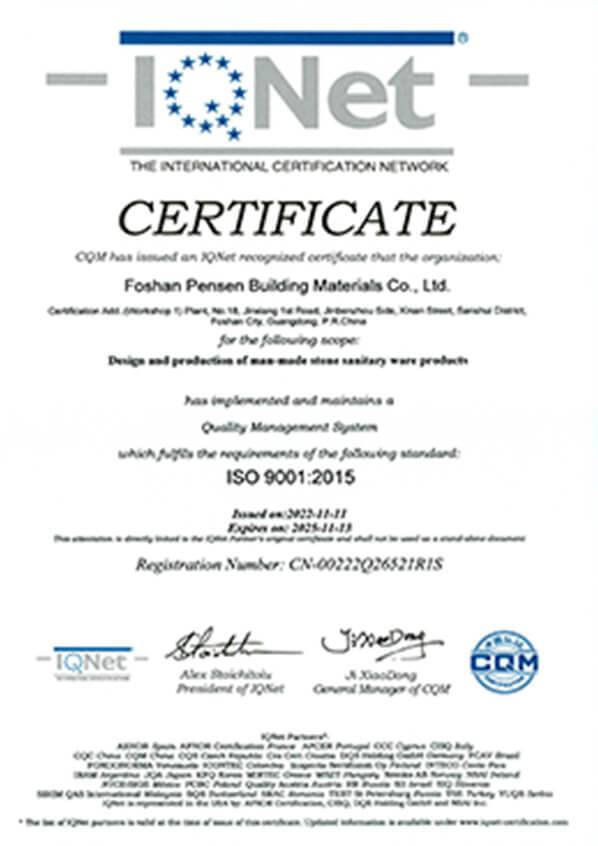
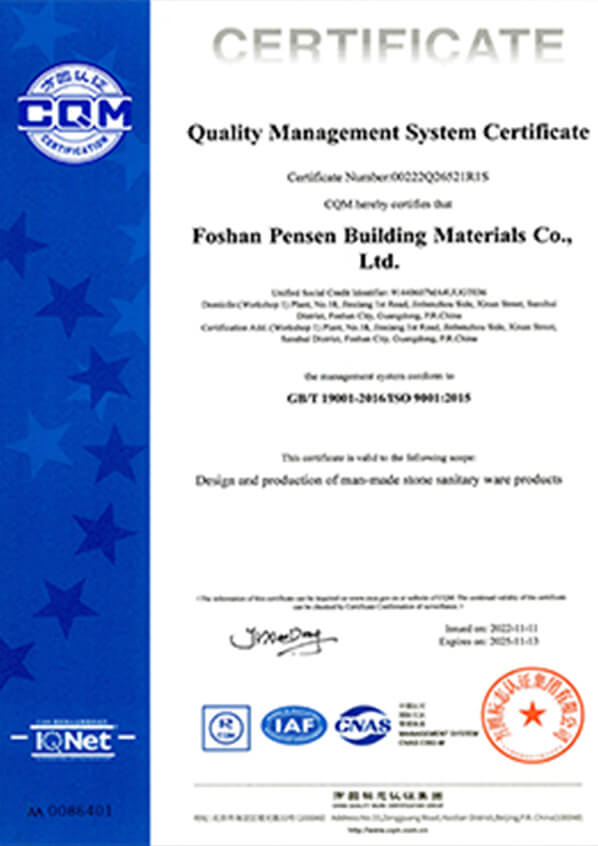
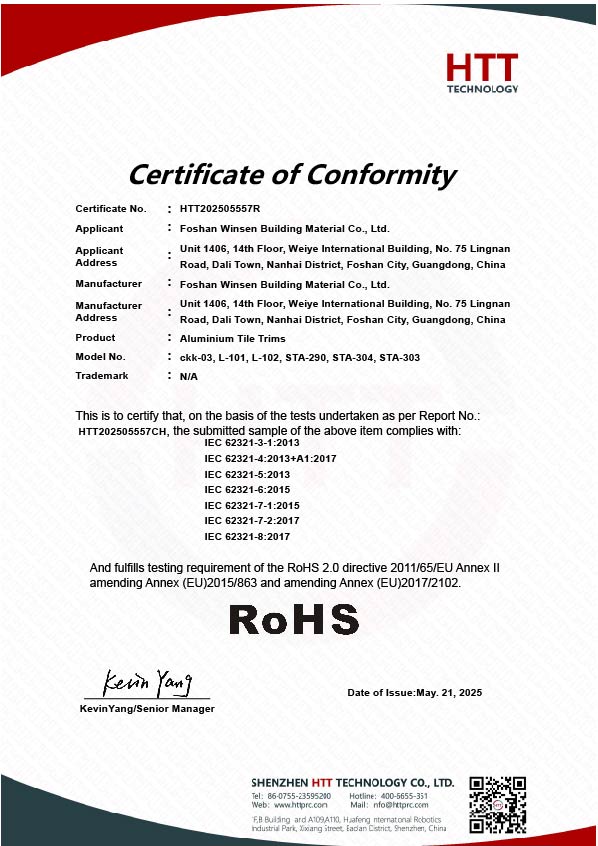
- Certifications:ISO9001, CE, RoHS
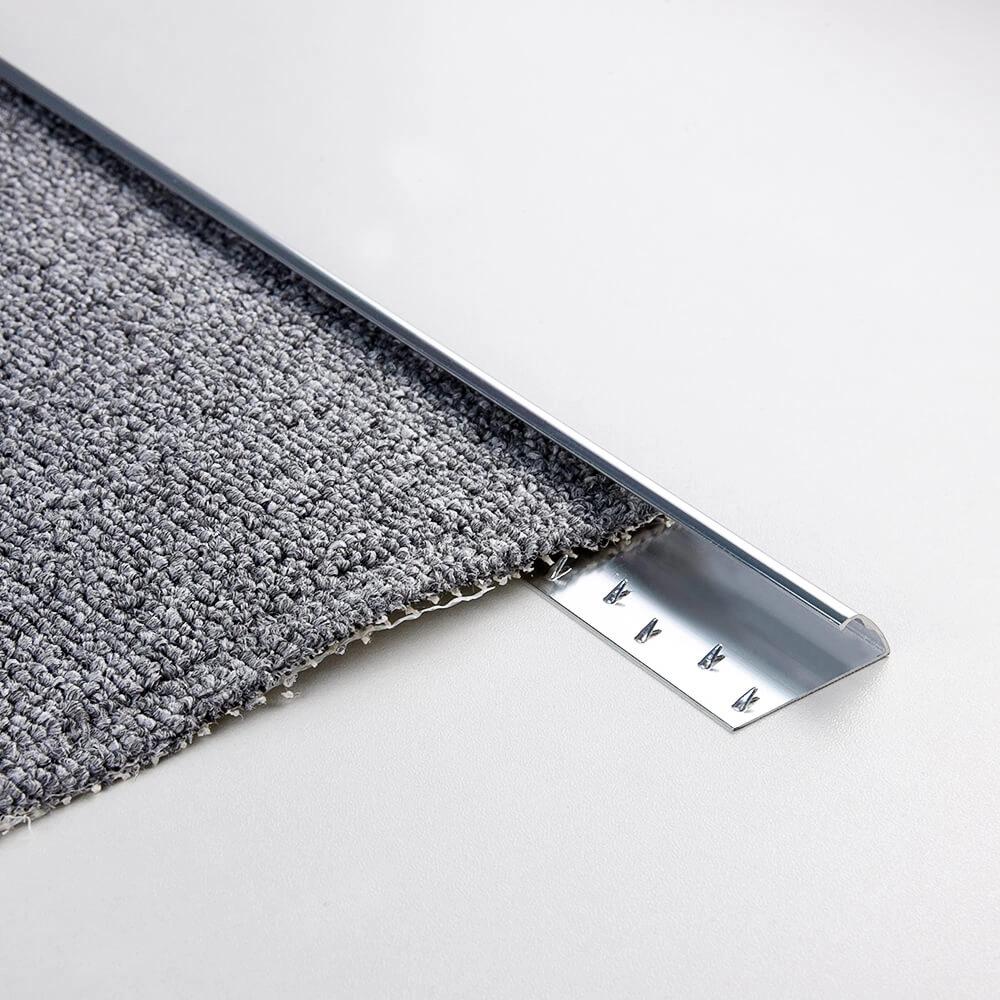
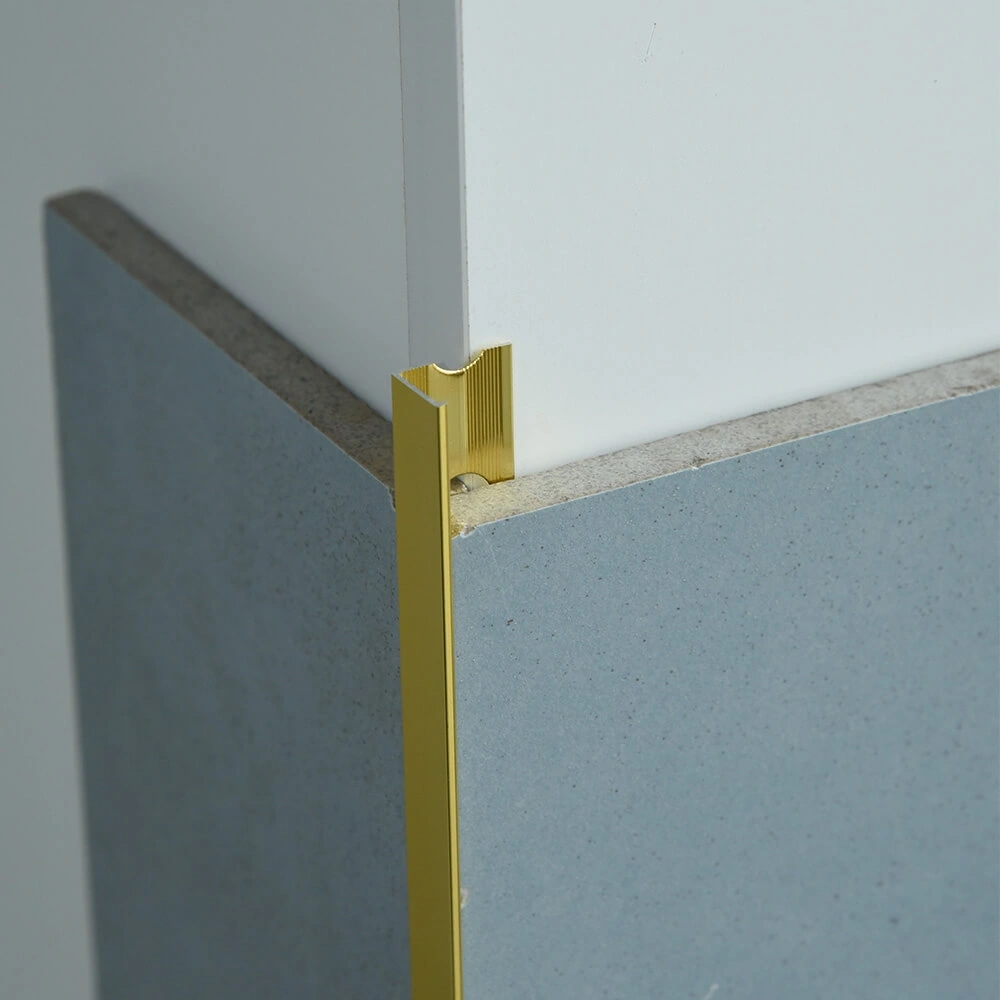
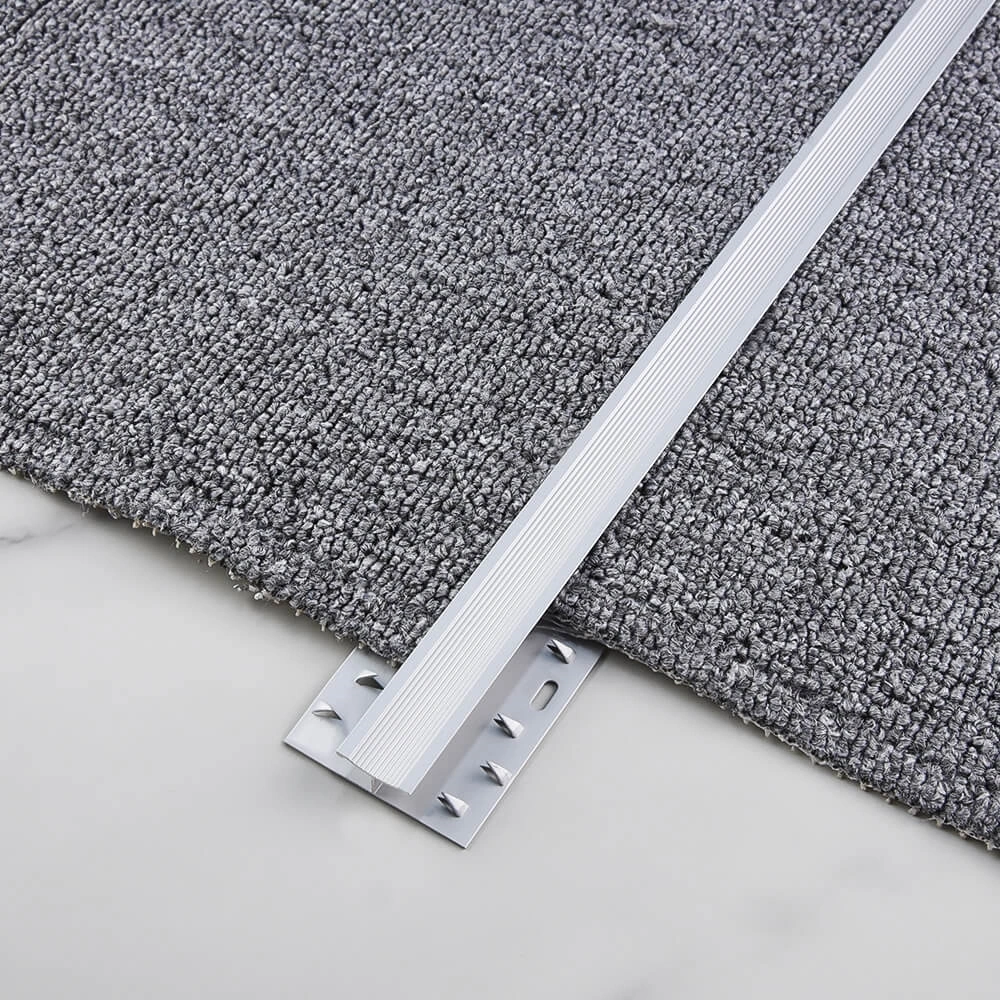
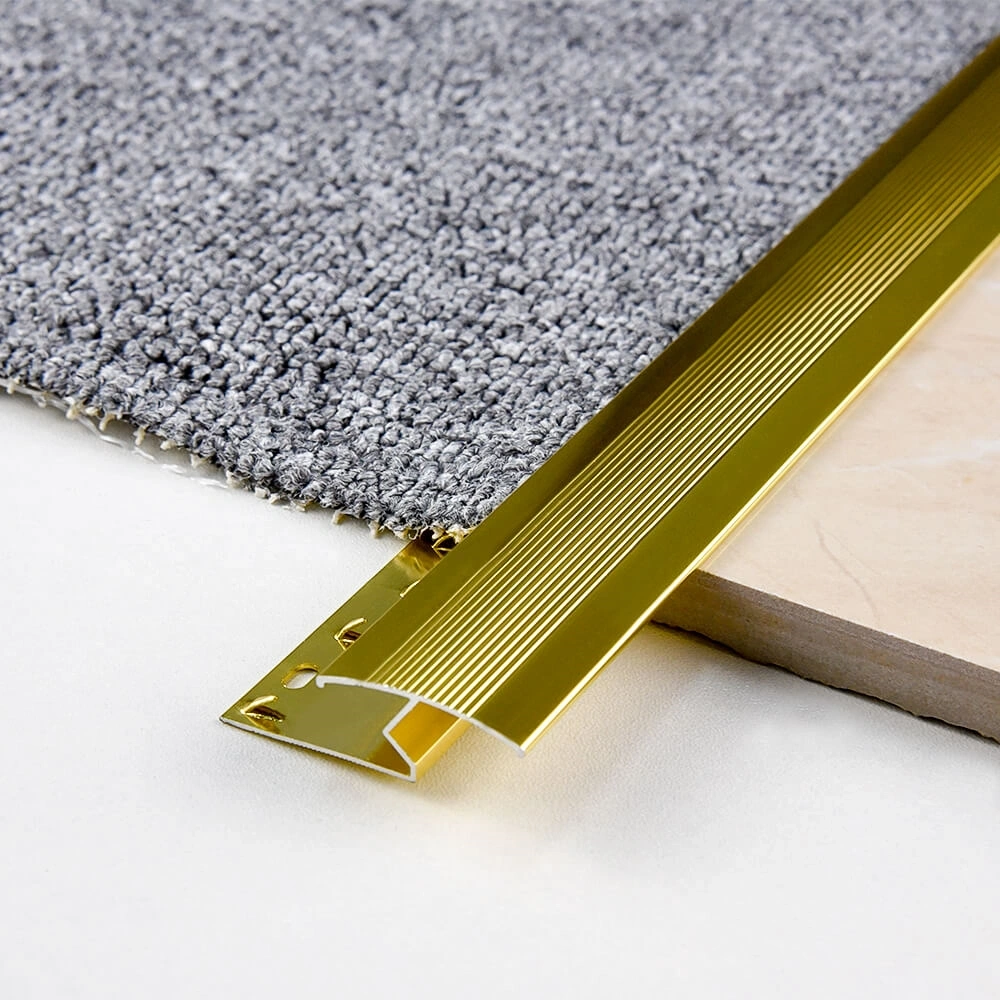
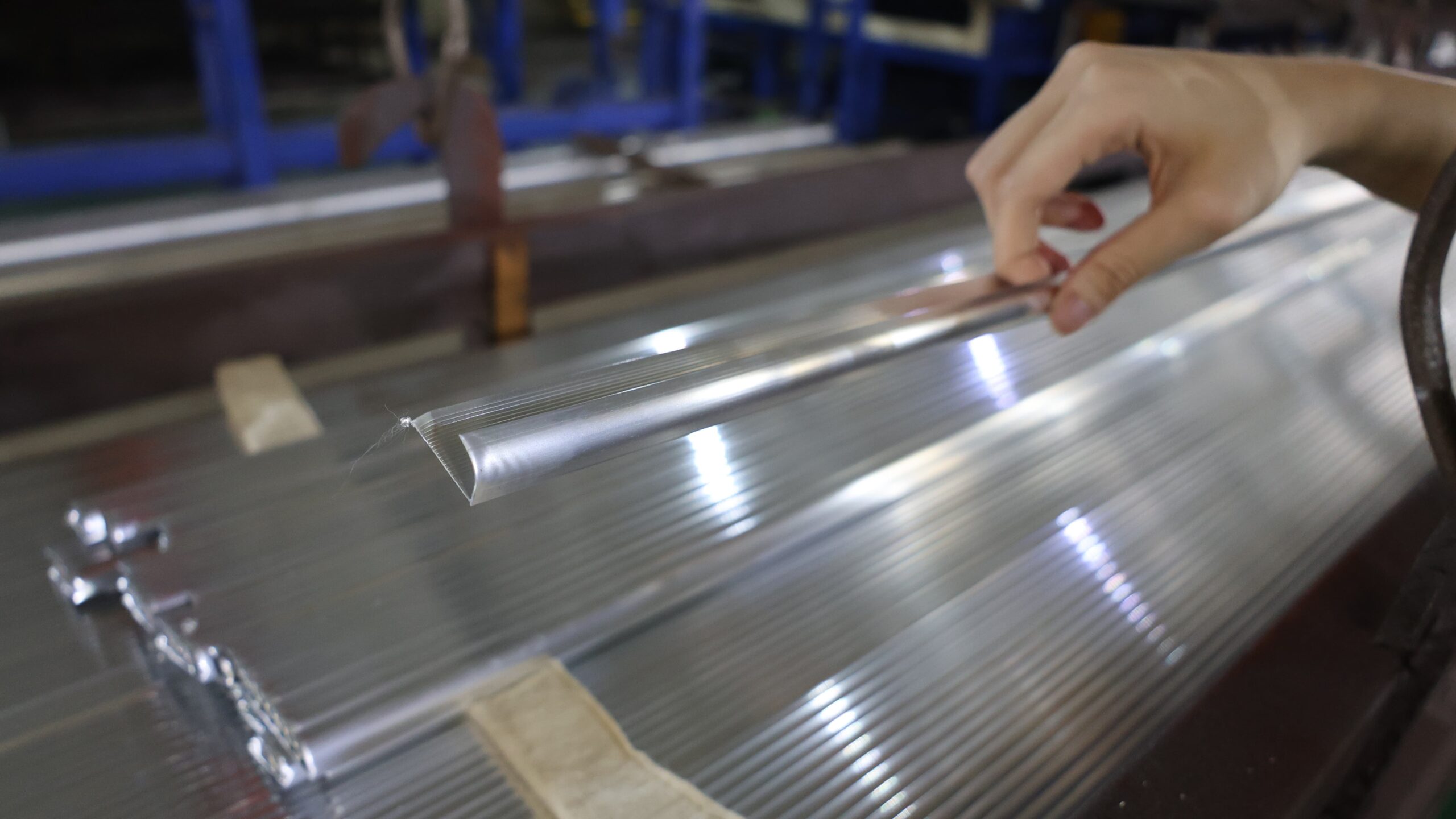
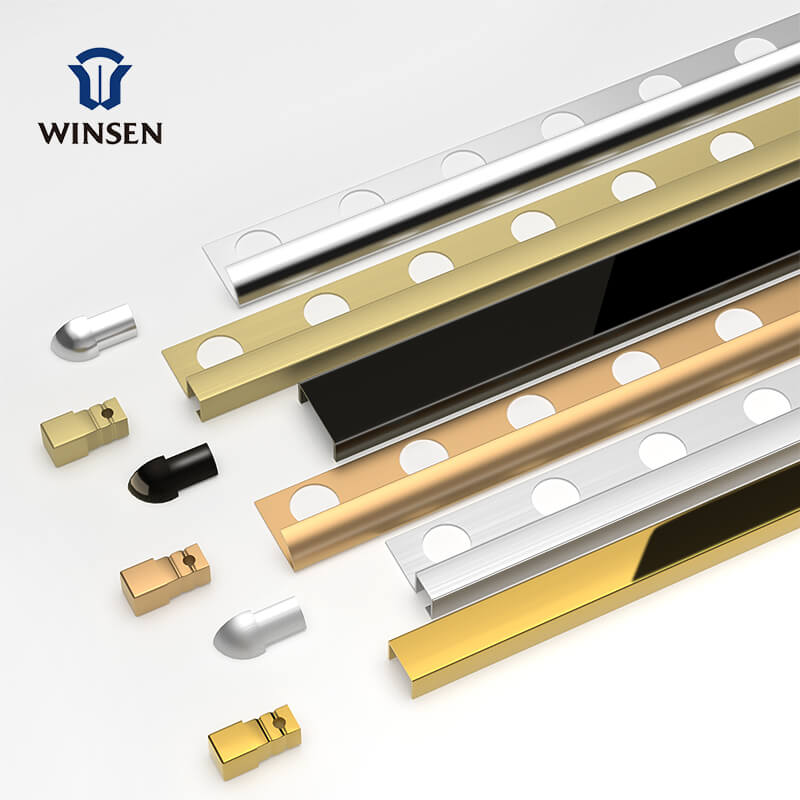
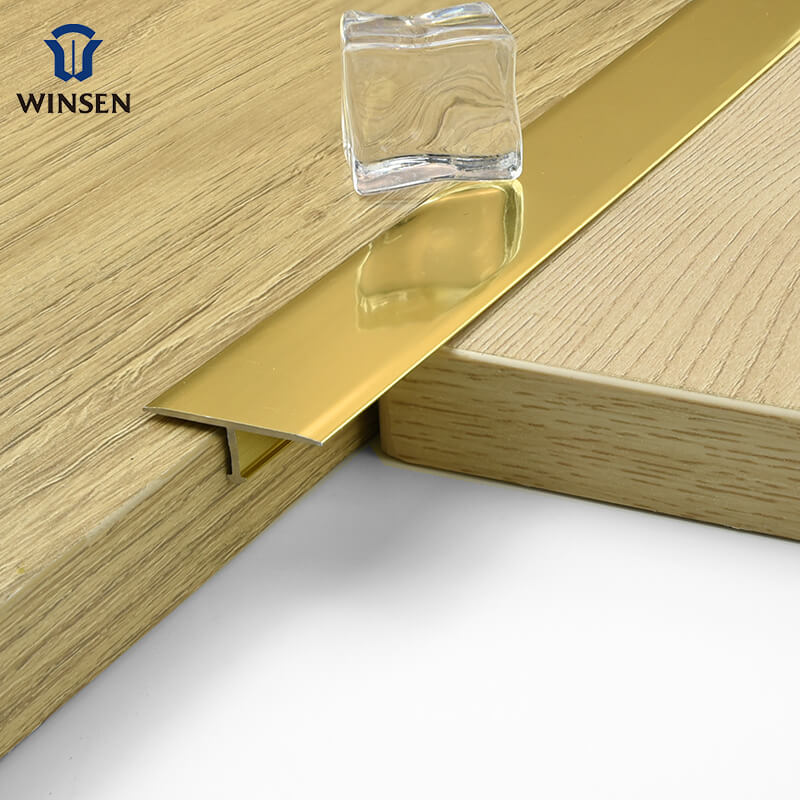
- Shape:L shape, Round edge, T shape, Square edge or Customized
- Length:0.9/1.0/2.4/2.5/2.6/2.7/2.8/3.0/ Customized
- Height:7mm/8mm/9mm/10mm/11mm/12mm/13mm/14mm/ Customized
- Thickness:0.5-1.5mm/ Customize
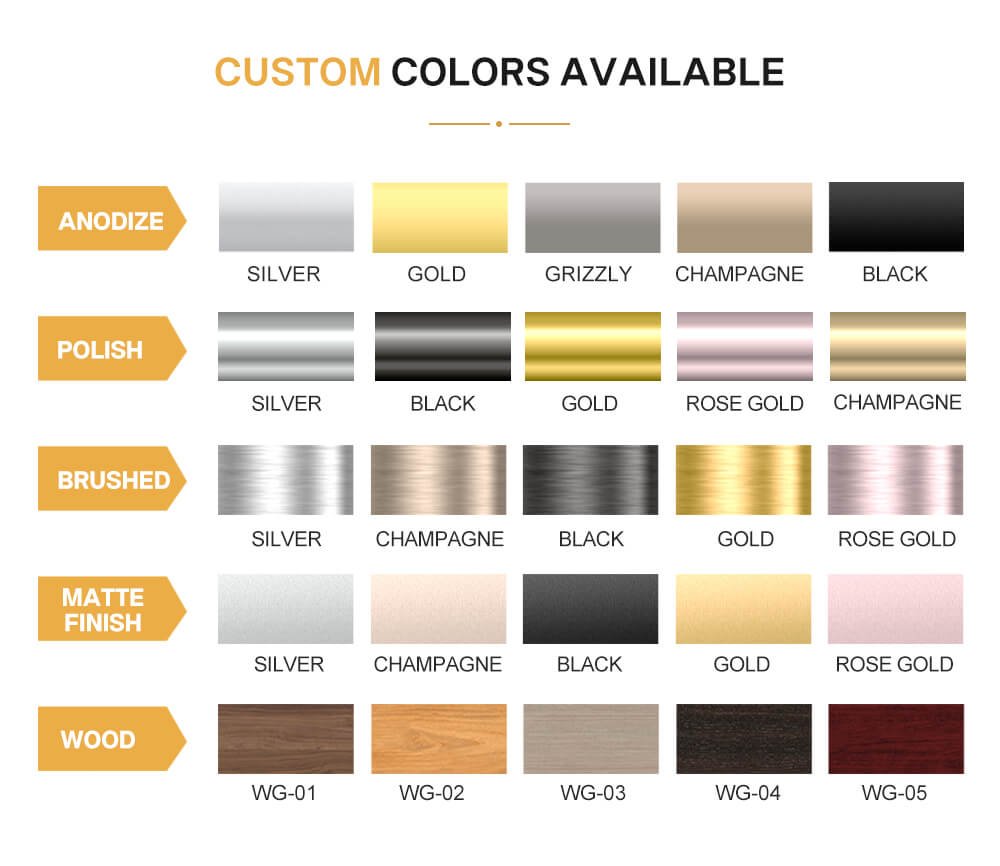
- Color:Silver/ Gold/ Champagne/ Rose Gold/ Bronze/ Black/ White/ Customized
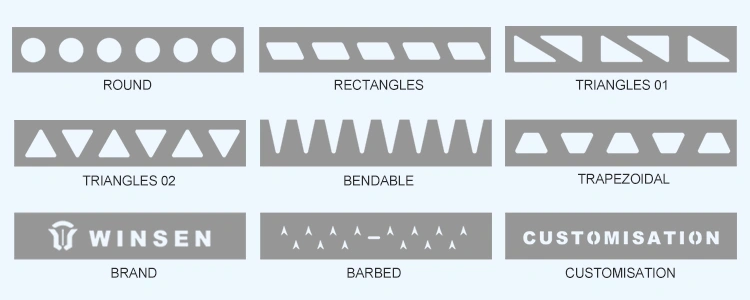
- Punching Hole:Round/ trapezoid/ triangle/ regular triangle/ square/ Customized
- Surface Treatment:Anodize, Polish, Matt, Brushed, Powder Coating, Wood Grain, etc.
Application


Extrusion & Finishing Standards
| Standard Reference | Engineering Parameter | WINSEN Factory Compliance Specification |
|---|---|---|
| GB/T 5237.1-2017 | Dimensional Extrusion Tolerance | Precision cut-to-length tolerances ranging from +/- 0.2mm to +/- 0.5mm depending on the specific profile intricacy. |
| GB/T 3190 | Alloy Chemical Composition (6063) | Guaranteed metallurgical purity: Silicon (Si) 0.2-0.6%, Magnesium (Mg) 0.45-0.9%, Iron (Fe) ≤0.35%. |
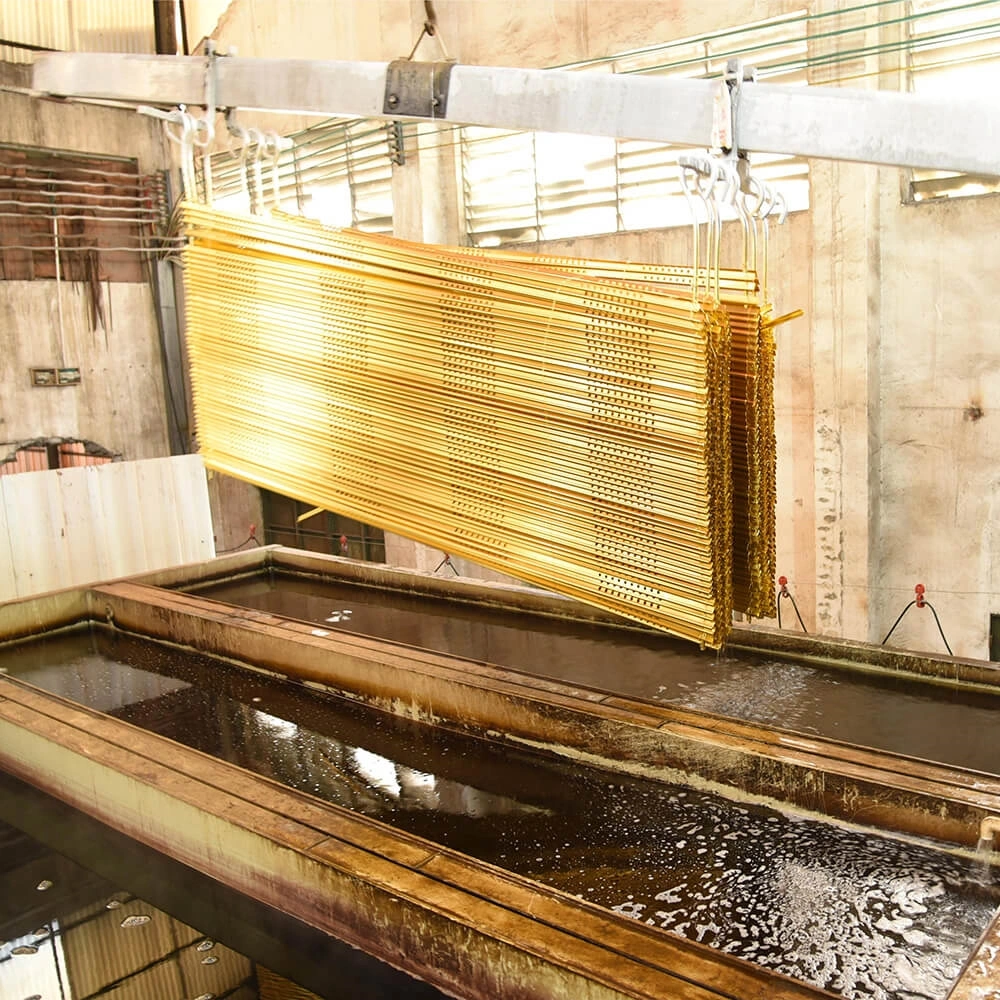
| GB/T 5237.2-2017 | Anodizing Film Thickness (Class AA10/AA15) | Minimum average thickness of ≥10μm (AA10) or ≥15μm (AA15) with exceptional sealing quality and indentation hardness. |
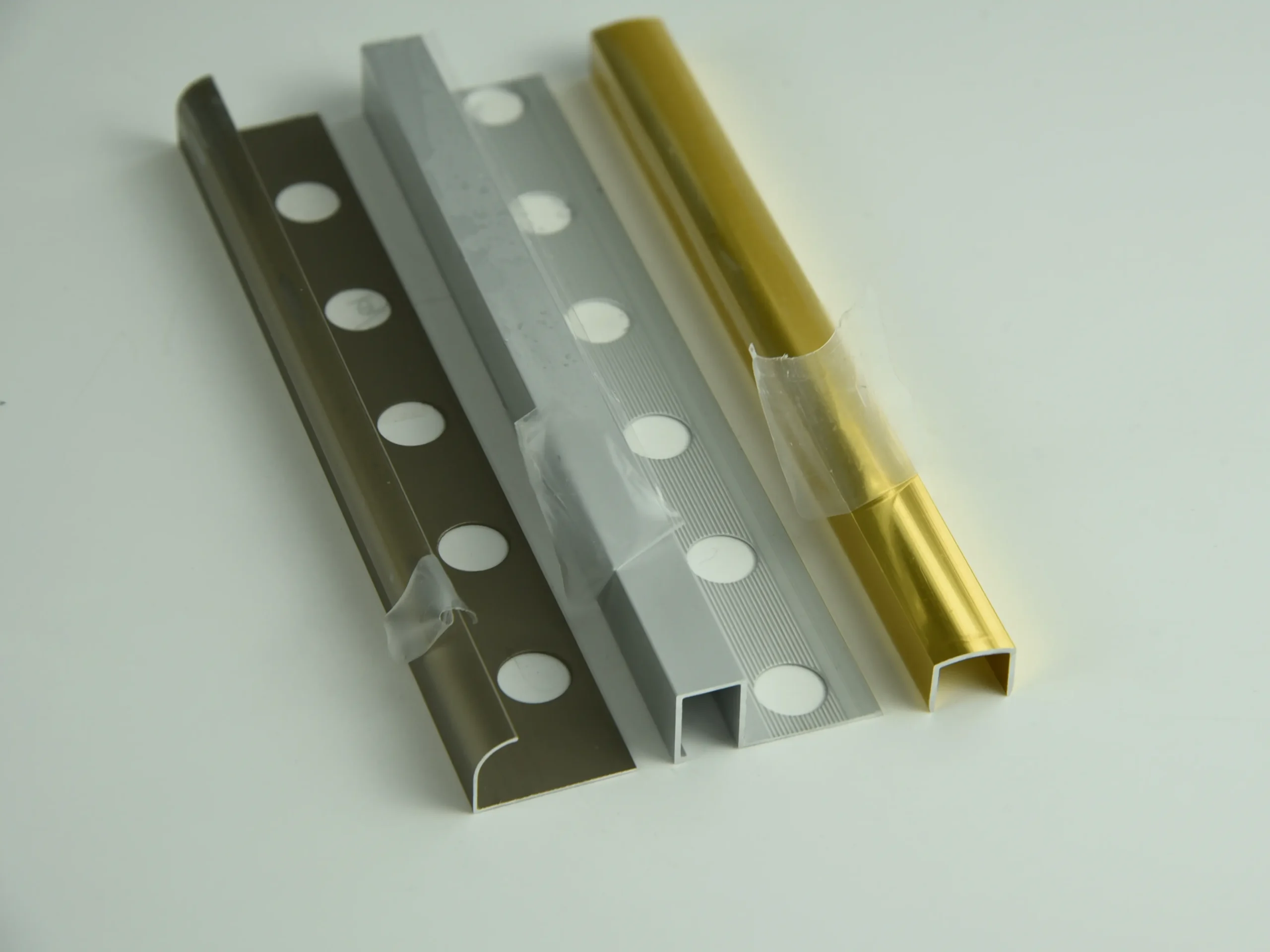
| GB/T 5237.3-2008 | Electrophoretic Coating | Minimum compound paint thickness of 21μm (Grade A) providing supreme adhesion (Grade 0). |
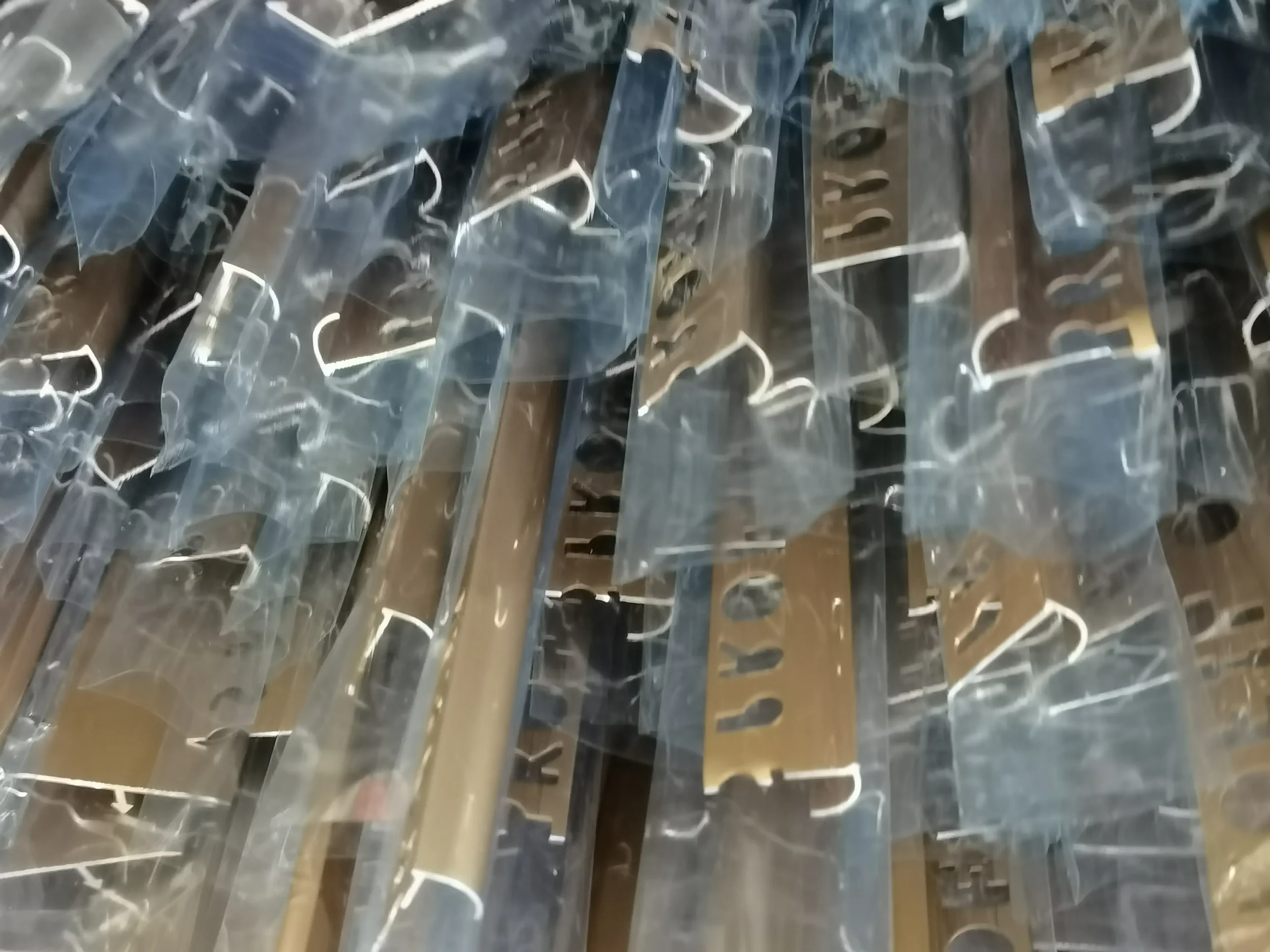
| GB/T 5237.4-2008 | Powder Coating Film Thickness | Consistent 40-120μm coverage on all exposed architectural surfaces, ensuring absolute UV and weather resistance |
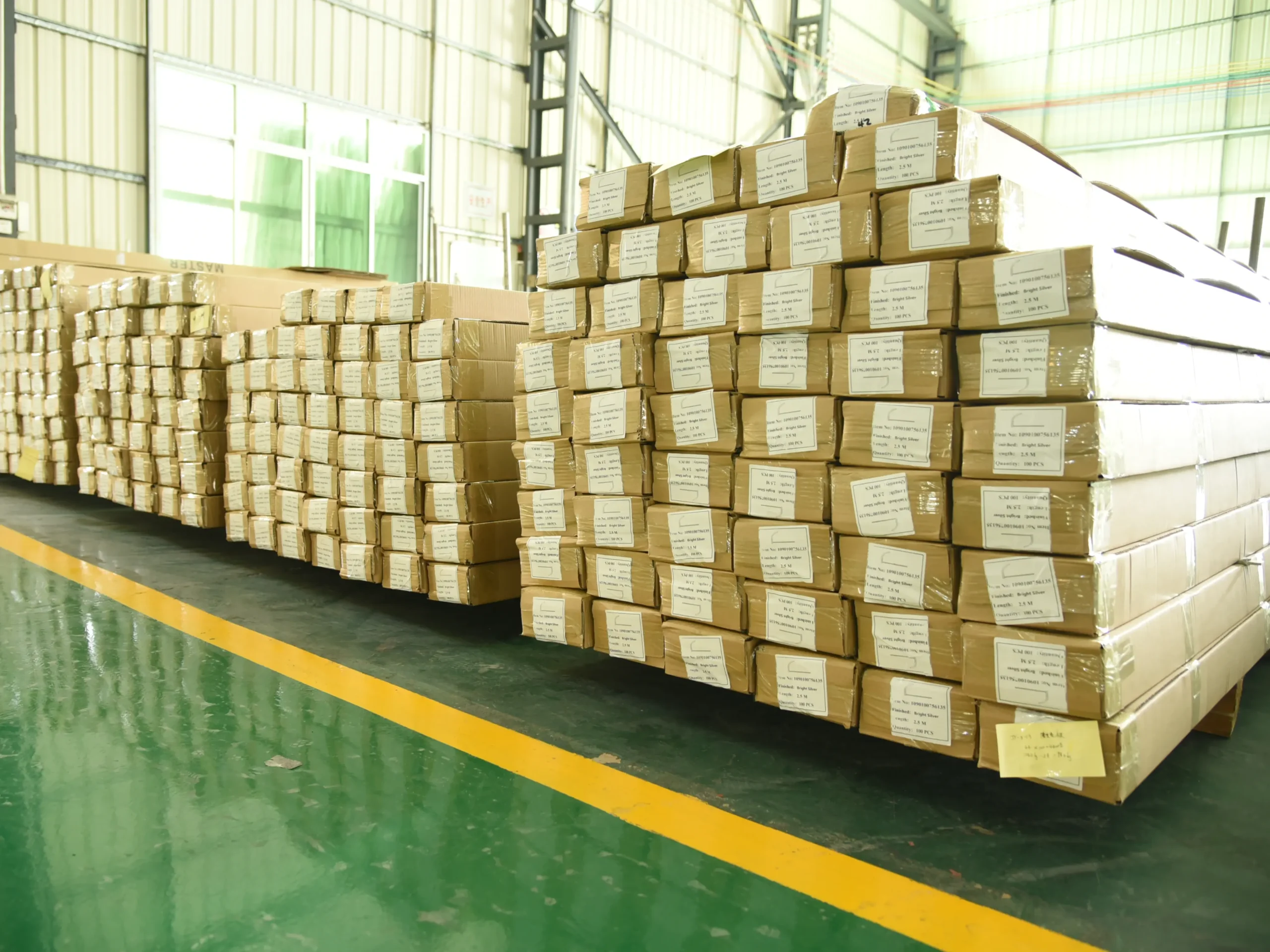
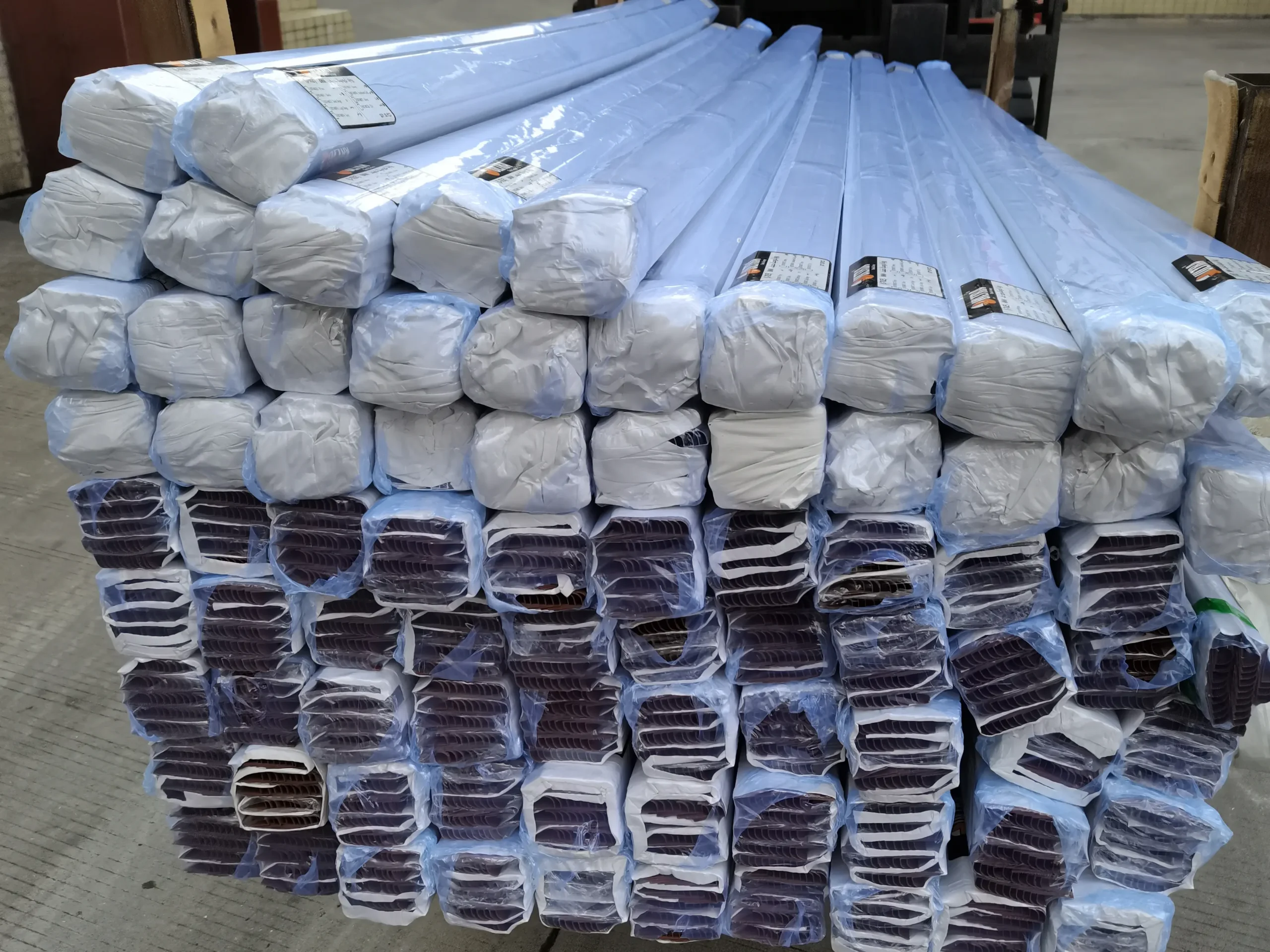
Ordering & Lead Time
MOQ
500PCS
Lead Time
30-35 Days
Payment
T/T, L/C, Trade Assurance and so on
OEM&ODM
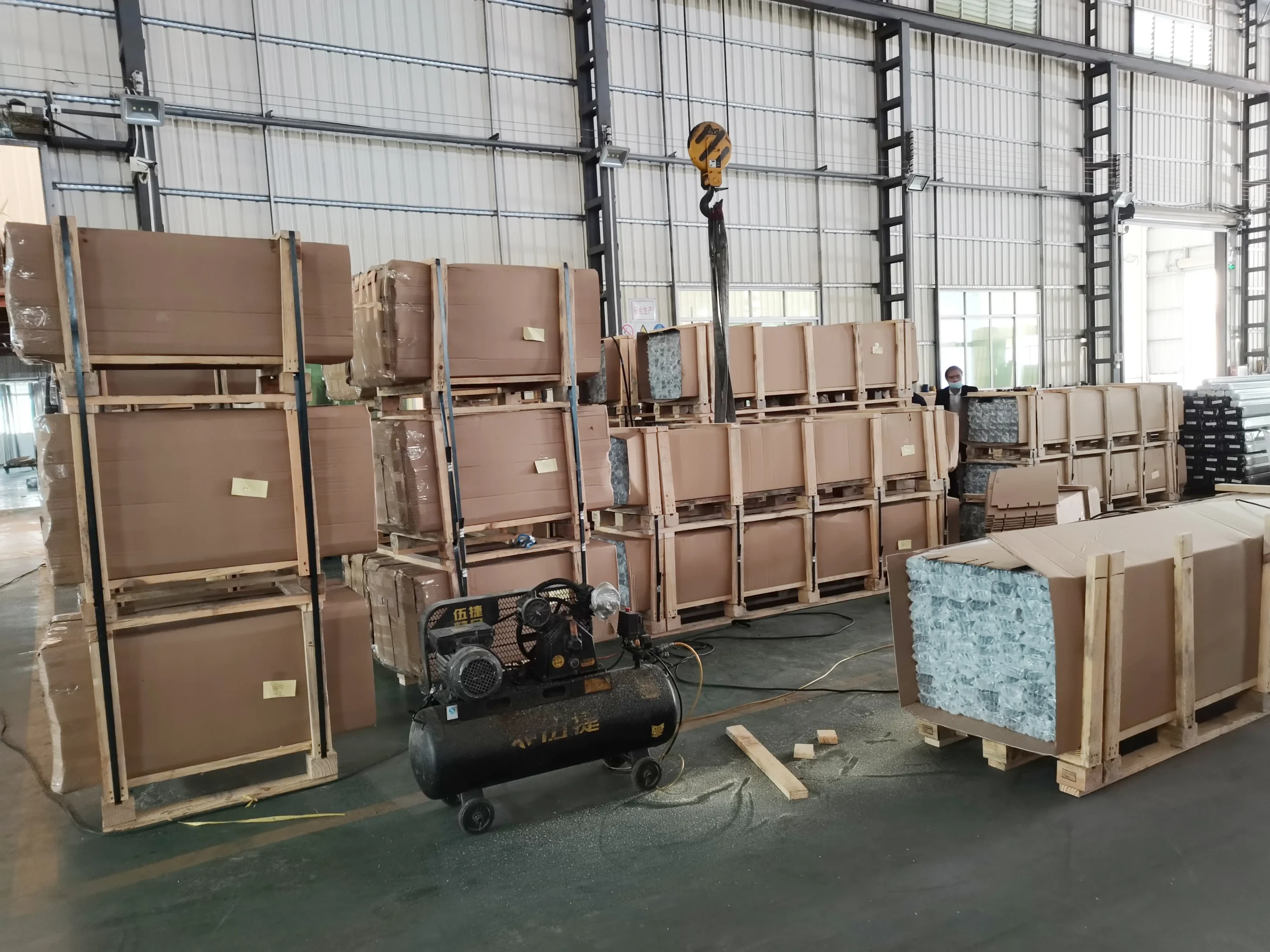
Flexible production for distributors, contractors, and private-label programs.
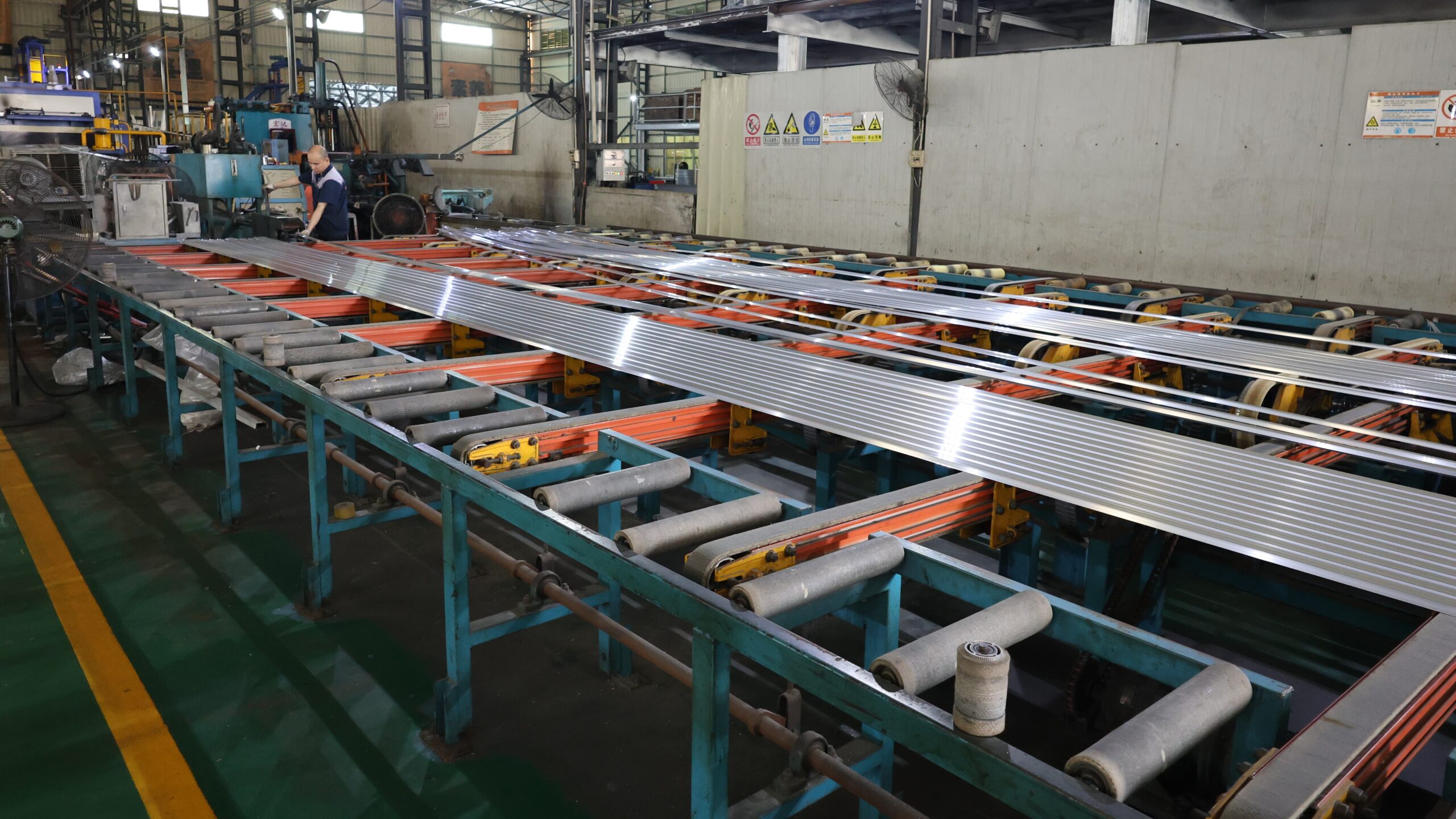
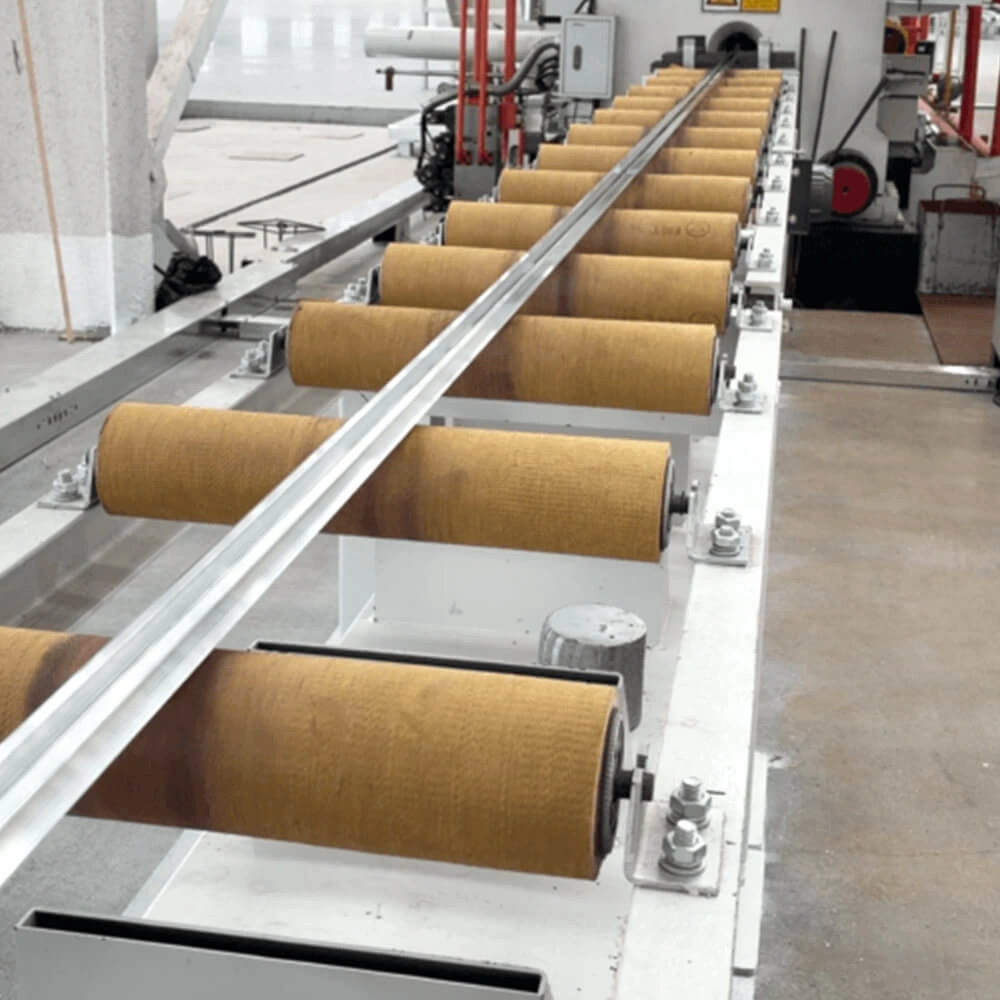
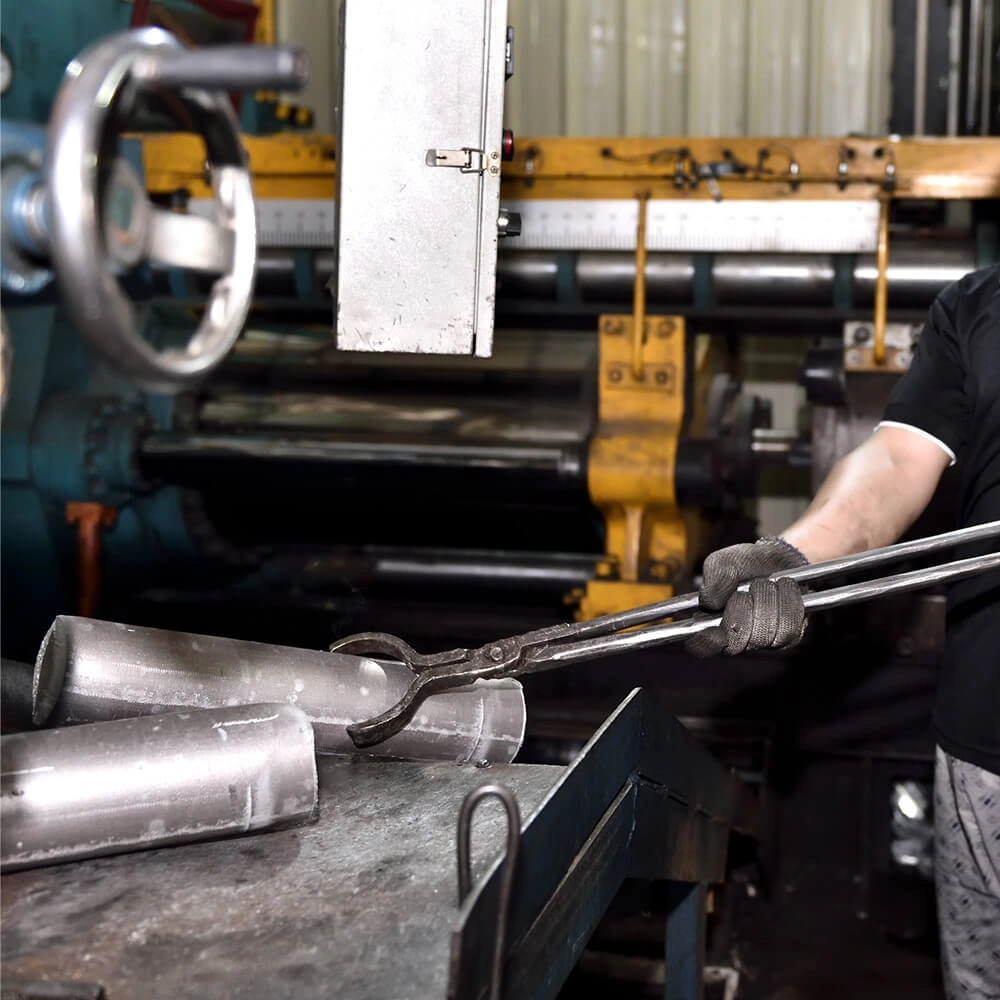
Precision extrusion & molds
3000+ extrusion dies support fast profile matching, new section development, and repeat production.
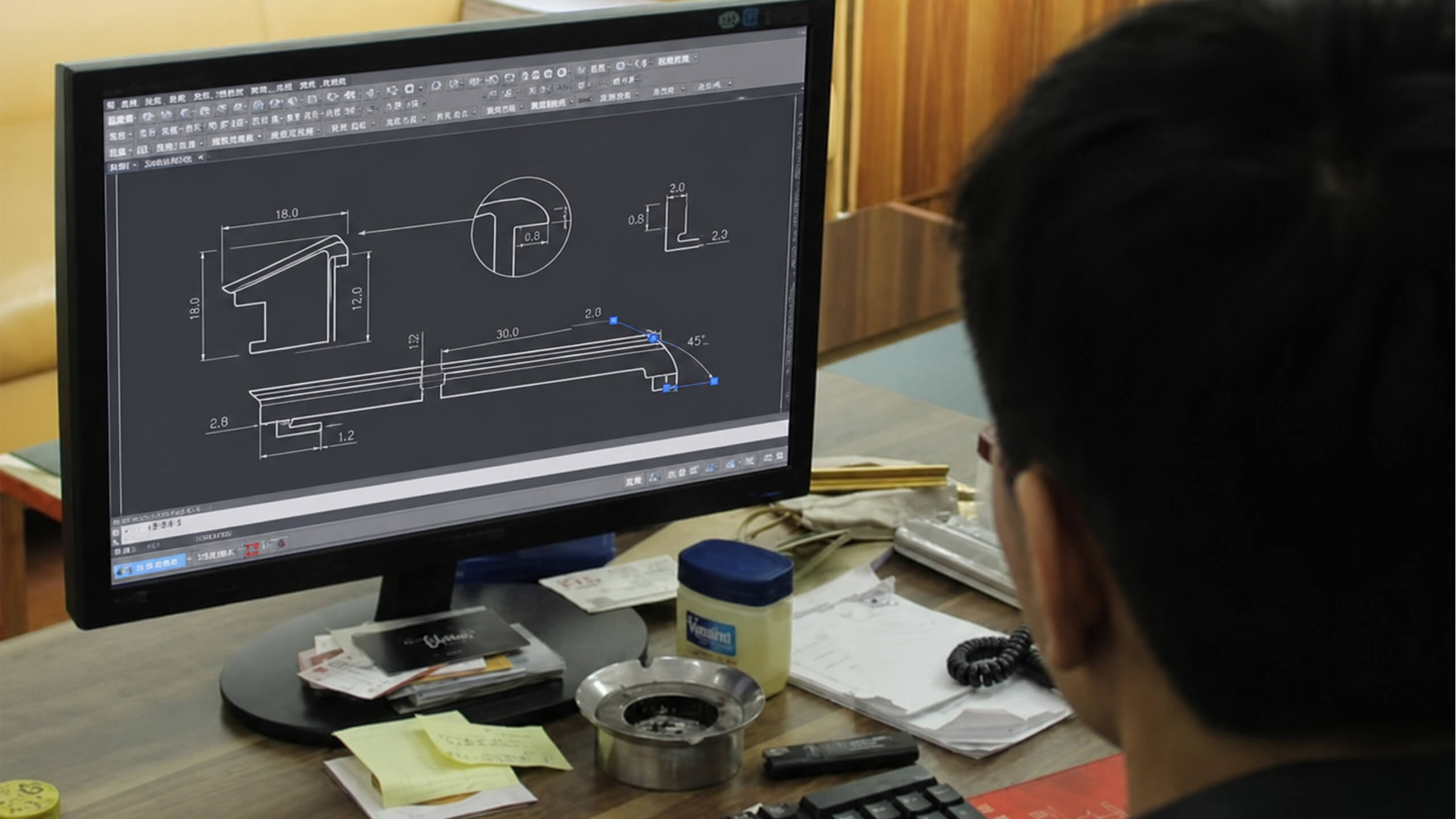
DWG→DIE→FIRST ARTICLE
Batch-controlled finishes
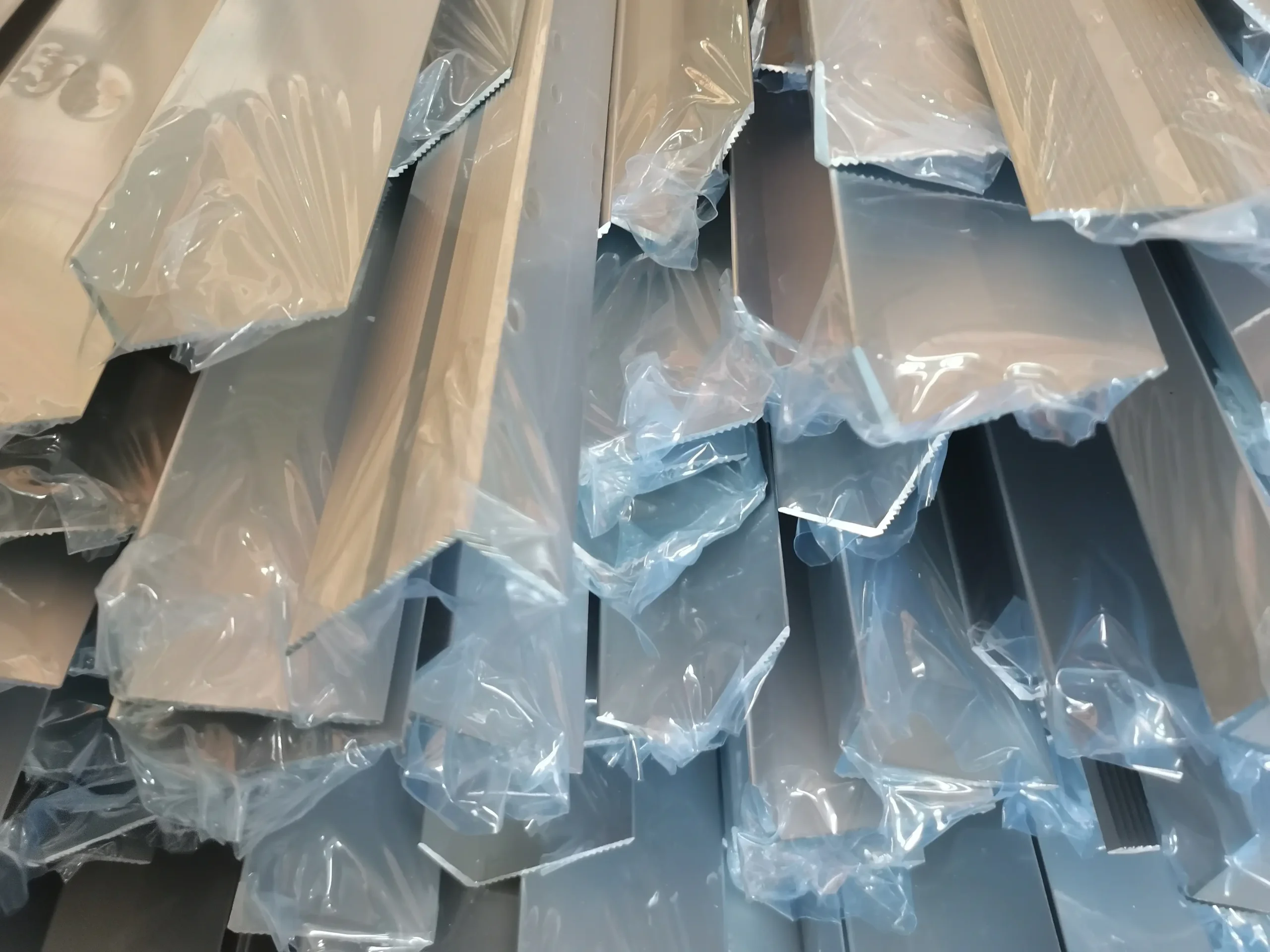
Anodizing and powder-coating controls keep color and surface treament aligned across repeat shipments.
LAB SAMPLE→MASTER CHIP→BATCH
Any questions?
We’re Here to Help.
Explore answers to the most common inquiries, carefully curated to save you time and guide your decisions.
Need further assistance? Our team is just a message away.
Q1: How to measure tile thickness for trim to avoid raised edges?
A: Measure the actual depth of the tile and add 1.5mm to 2mm to accommodate the layer of thin-set mortar. A common mistake seen in DIY tile and trim installations is buying a profile that perfectly matches the tile’s bare thickness; once mortar is applied, the tile sits higher than the metal lip. Sizing up slightly ensures the finished tile face sits perfectly flush with the trim.
Q2: How to cut metal tile trim at a 45 degree angle cleanly?
A: Use a power miter saw equipped with a non-ferrous carbide-tipped blade (80+ teeth) and secure the trim tightly to the fence. Attempting to cut metal trim freehand with a hacksaw or an angle grinder is the primary cause of jagged, gaping miter joints on shower corners. Always cut slowly and use a fine file to remove metal burrs before installation.
Q3: Tile trim vs caulk for bathroom corners: Which should I use?
A: You must use 100% silicone caulk for internal 90-degree corners (change of plane) and metal tile trim exclusively for exposed outside corners. Internal corners require flexible silicone to absorb structural house movement without cracking; using rigid metal trim or hard grout in an inside corner will inevitably crack and cause water damage over time.
Q4: What is the best bullnose ceramic tile trim alternative?
A: It is a modern metal straight-edge or L-shaped architectural profile (such as aluminum or stainless steel). Because many modern construction materials, like large-format and rectified porcelain tiles, do not offer matching bullnose pieces, metal profiles provide a crisp, waterproof boundary that perfectly conceals the raw, unglazed biscuit edge of the tile without looking dated.
Q5: When should I specify a matte black 10mm tile edging profile?
A: You should specify a matte black 10mm tile edging profile when installing standard 8mm to 9mm thick tiles in contemporary or industrial-style bathrooms with matching matte black fixtures. Be sure to communicate this design choice clearly with your tile installer beforehand, as black trim creates a stark, permanent, high-contrast frame that will heavily dictate the room’s final aesthetic.
Need a Custom Profile?
Don’t see the exact dimension or finish your project requires?
We specialize in full OEM & ODM manufacturing. Submit your specifications or customization demand, let our in-house engineering team bring your exact blueprint to life.