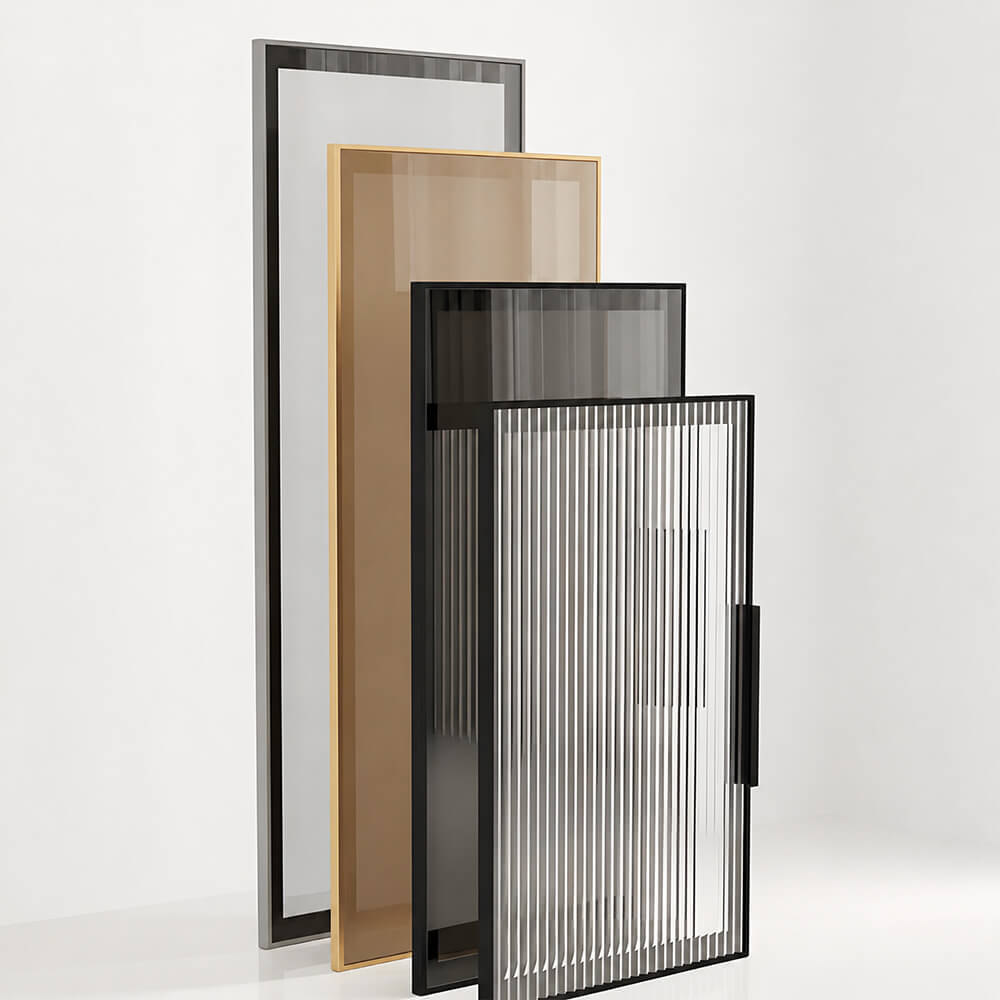
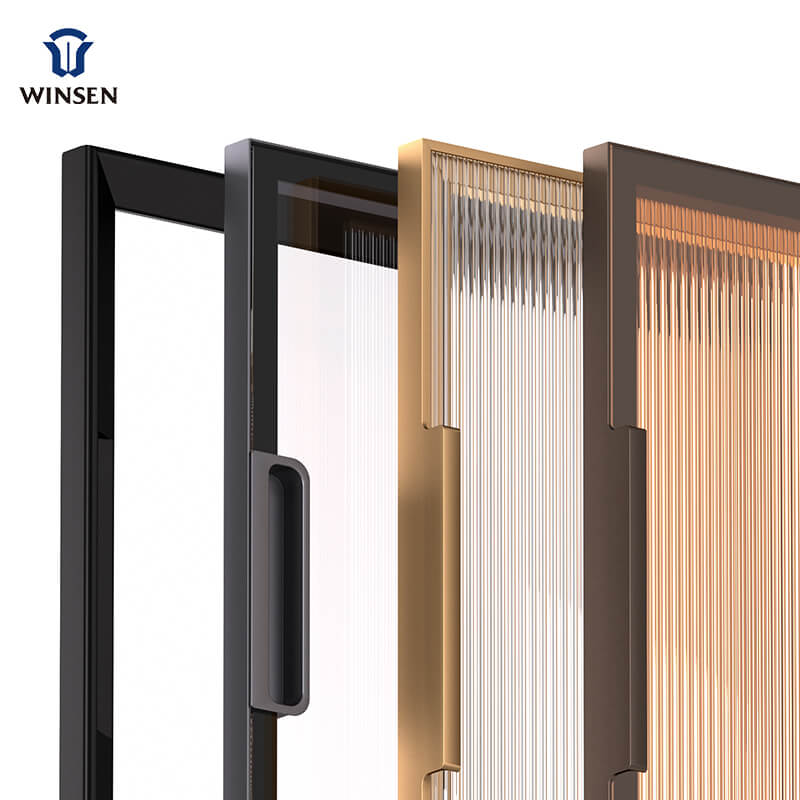
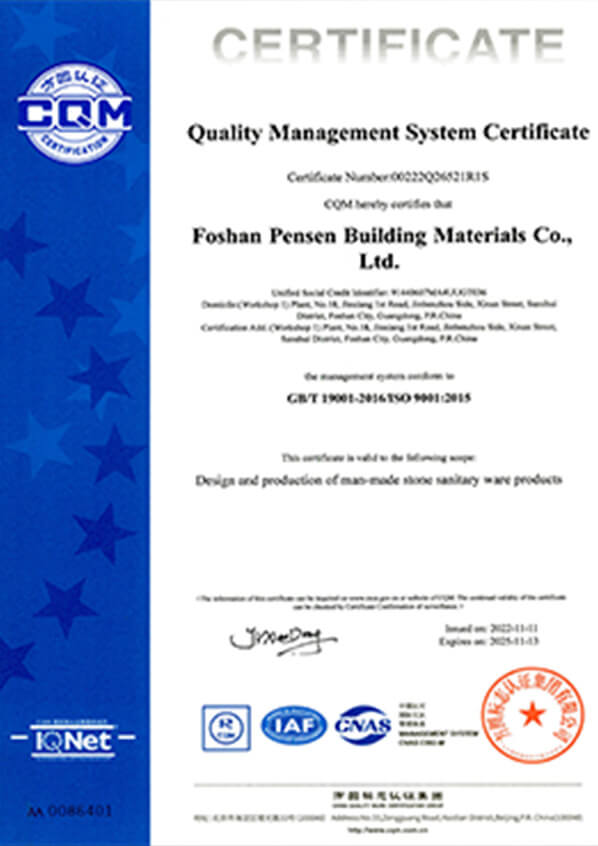
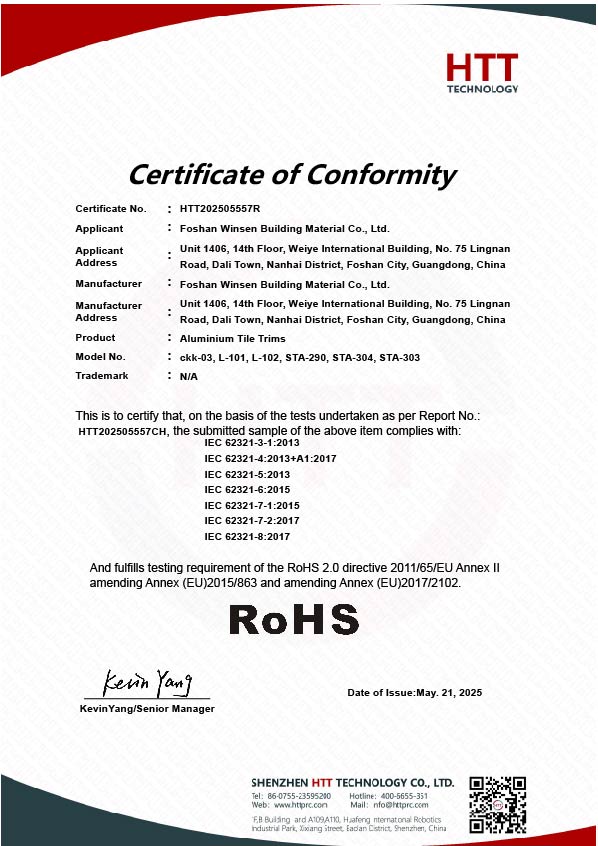
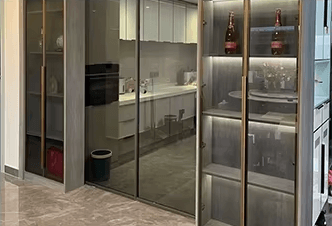
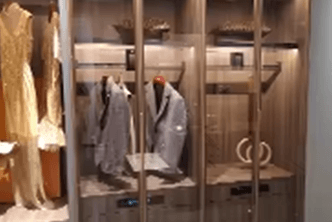
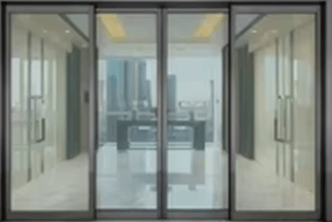
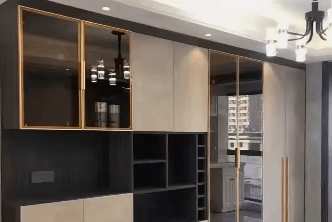
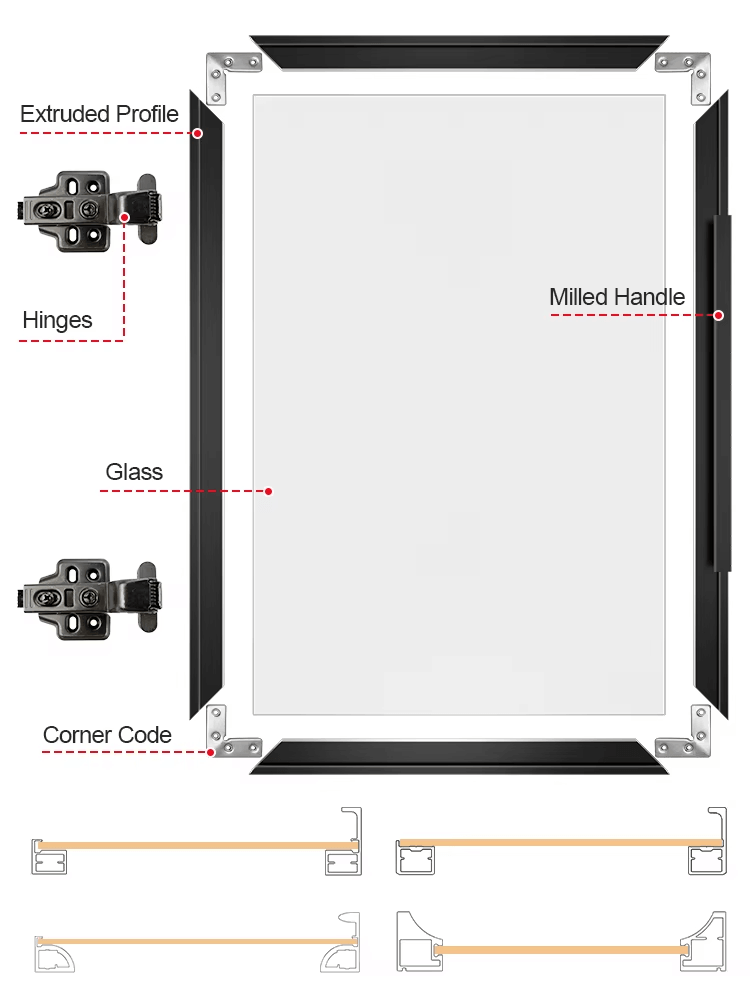
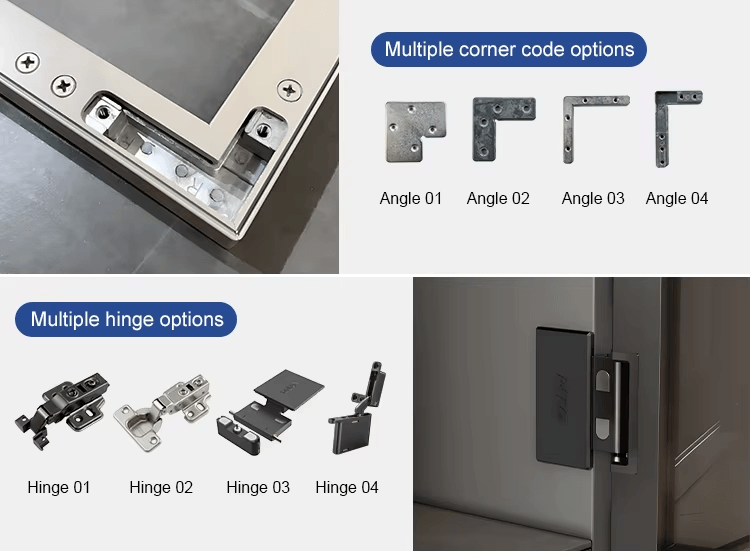
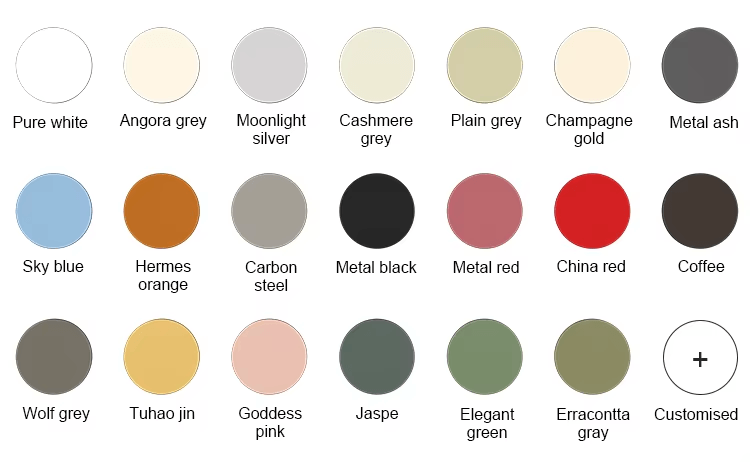
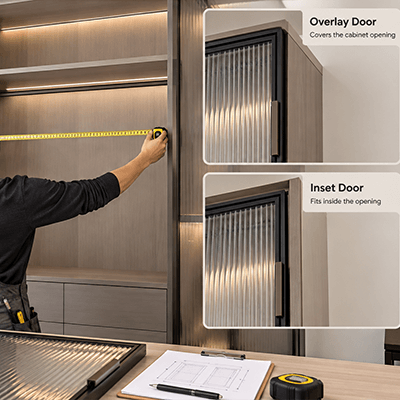
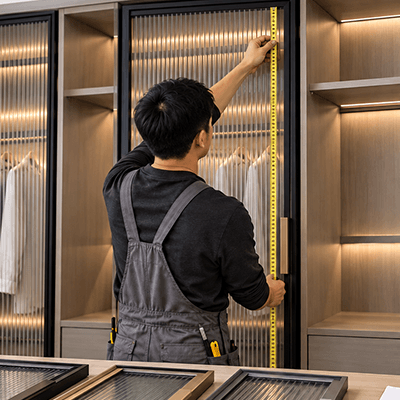
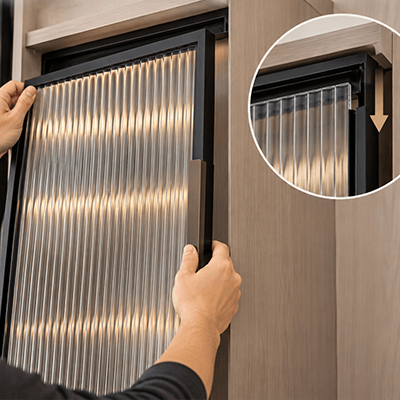
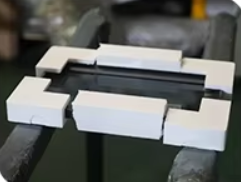
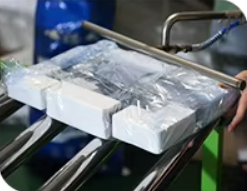
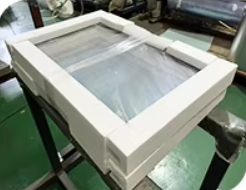
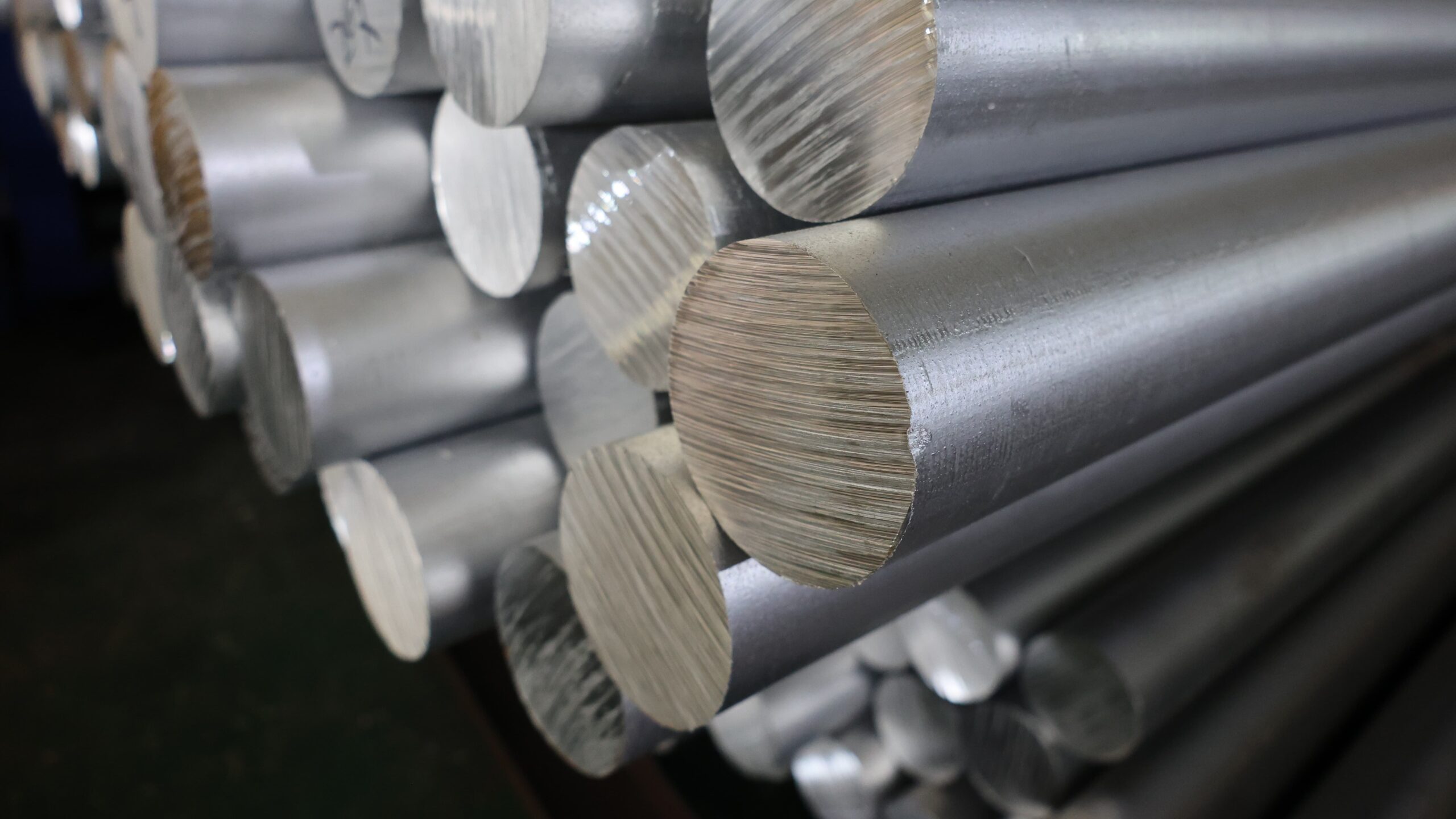
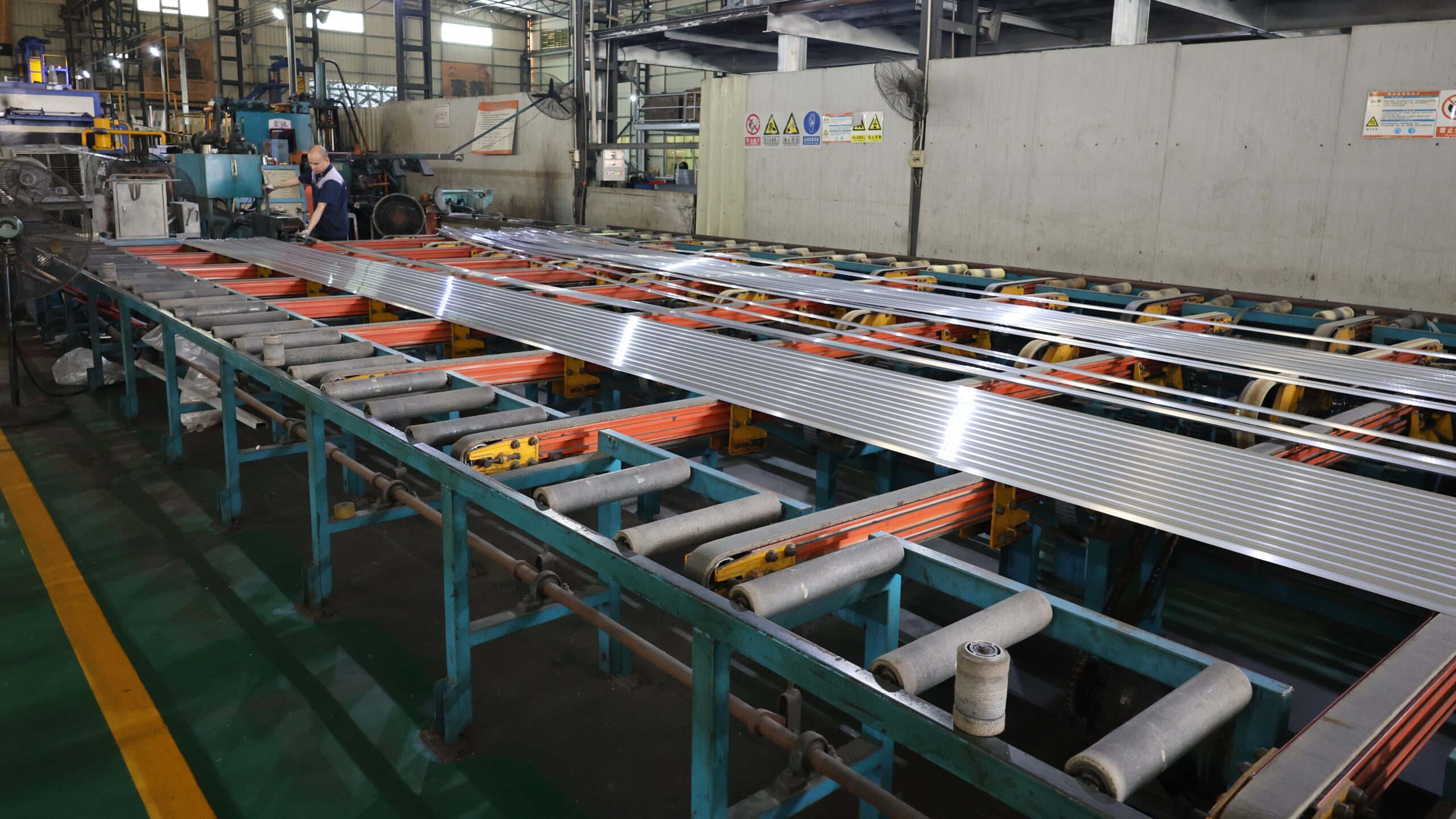
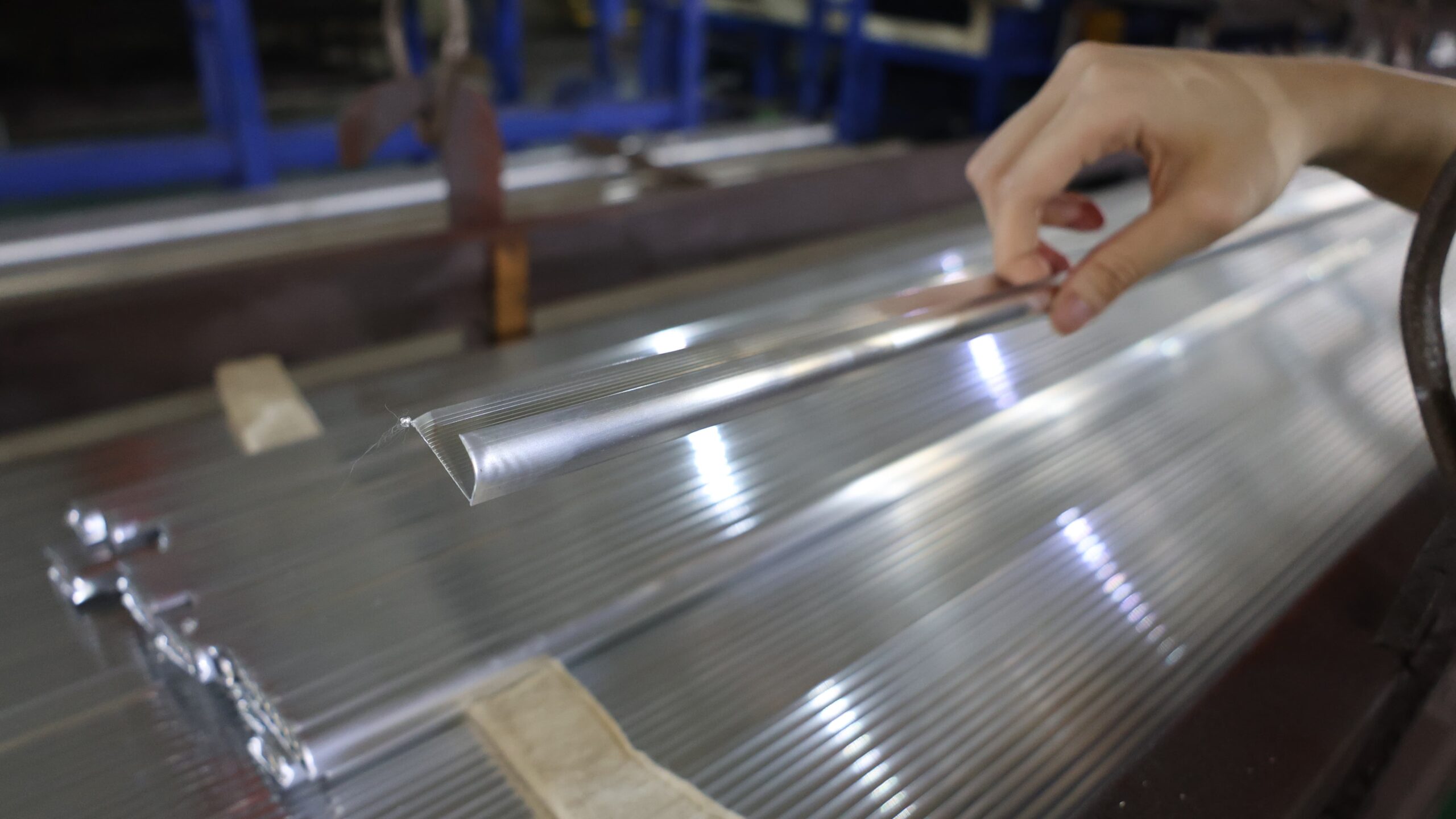
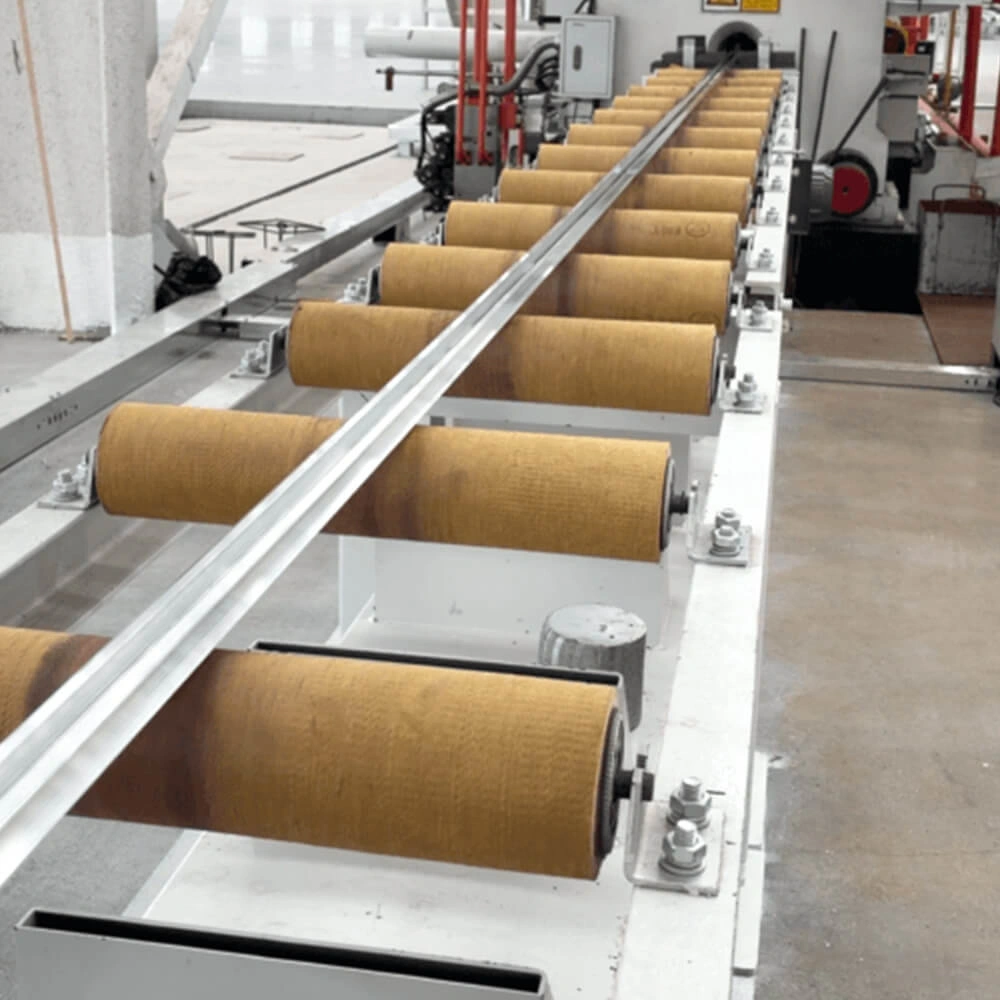
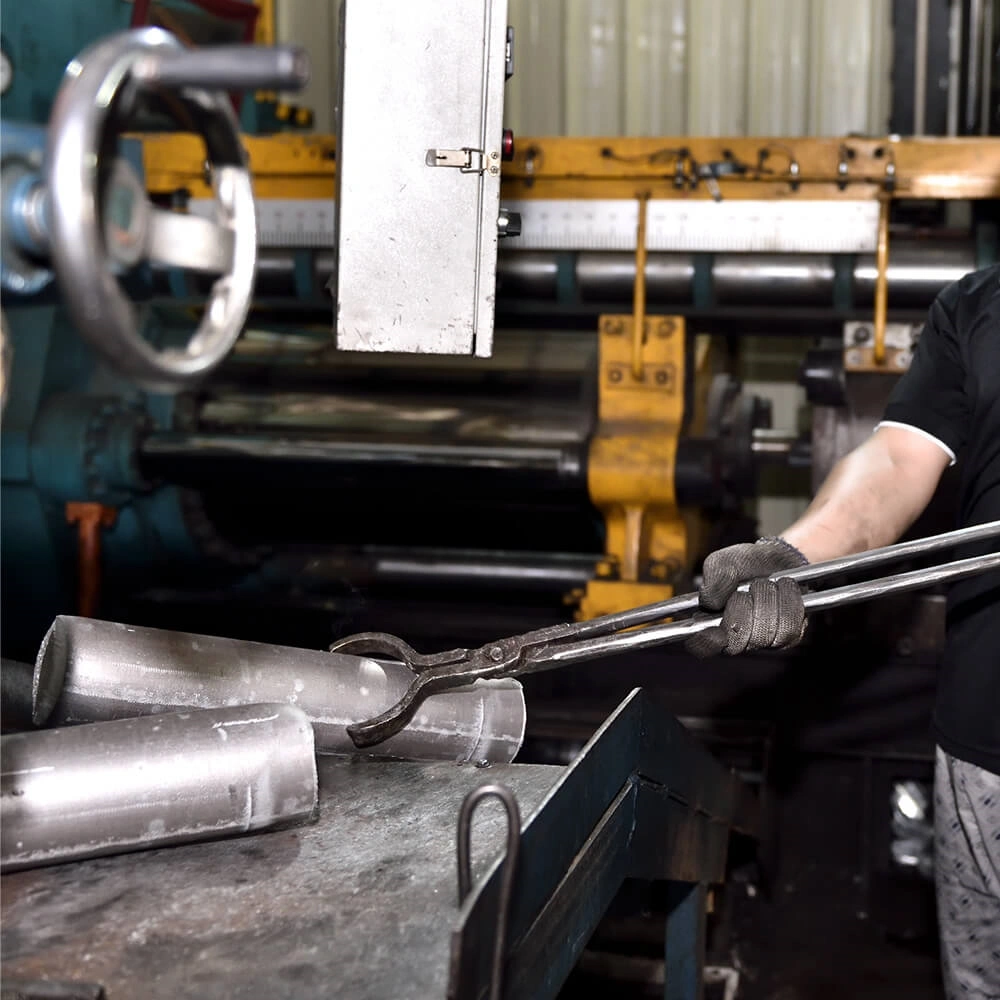
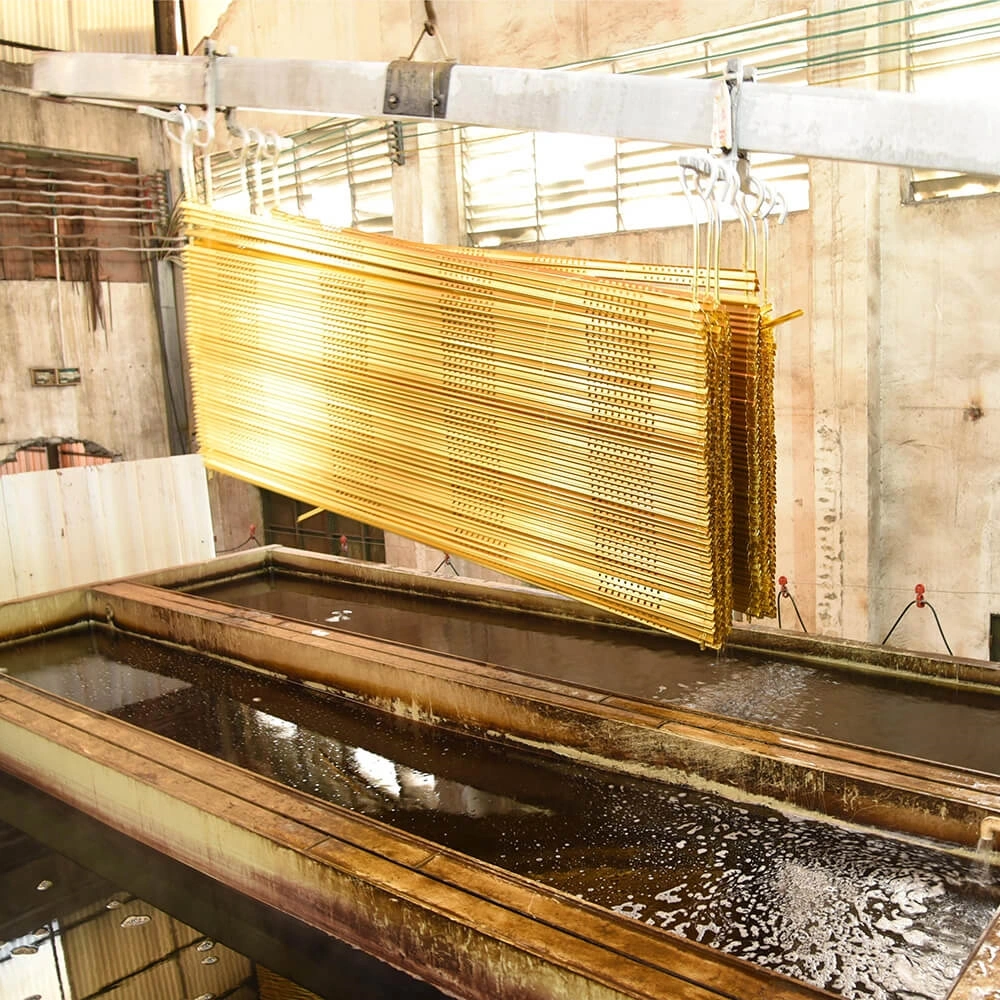
Precision-extruded from high-tensile aluminum alloys, WINSEN cabinet and wardrobe frame profiles—featuring ultra-slim borders, wide structural frames, and handle-integrated profiles—seamlessly encapsulates glass, wood, and composite panels.
A single wardrobe door can run the full height of the carcass, so the frame carries its own weight plus a glass, mirror or wood-grain panel across a span that a base cabinet door never sees. Every series on this page is specified for wardrobe, display cabinet, wine cabinet, storage cabinet and bookcase doors, extruded from 6063-T5 alloy and CNC-machined in-house for repeatable mitres and hinge positions.
Q1: What is the main difference in wood vs aluminum kitchen cabinet frames?
A: Wood provides a traditional, heavy aesthetic but is highly susceptible to humidity warping, whereas aluminum delivers a warp-free, ultra-thin modern profile that maximizes internal cabinet space. Aluminum is increasingly favored for frameless European-style cabinetry because its high strength-to-weight ratio can effortlessly support heavy glass inserts without sagging over time.
Q2: Should I build cabinet door frames from pine or softwoods?
A: You should avoid building large cabinet door frames from pine, as this softwood is highly prone to warping, bowing, and shrinking with seasonal humidity changes. If you want a perfectly straight, long-lasting door—especially for glass inserts—an extruded aluminum frame is a vastly superior alternative that guarantees structural rigidity and zero environmental warping.
Q3: How do you assemble joints without mortising the cabinet frame?
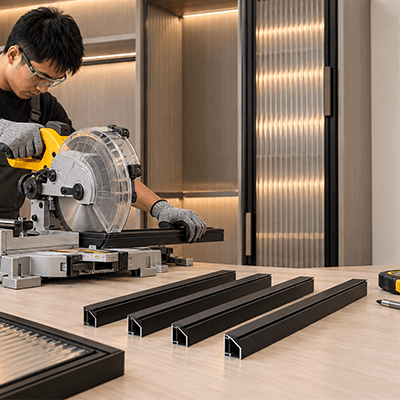
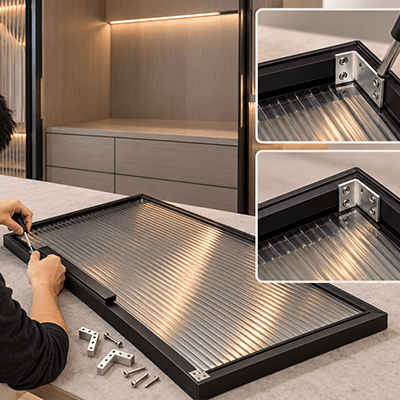
A: To build aluminum frame glass cabinet doors without mortising, you simply miter-cut the aluminum profiles at a 45-degree angle and lock them together using concealed internal metal corner brackets. Unlike traditional wood frames that require complex mortise-and-tenon or dowel joinery to prevent joint failure, aluminum extrusions bolt together internally, creating a perfectly square and structurally flawless corner in minutes.
Q4: What is the best door style for a framed to frameless cabinet conversion?
A: The best way to modernize an old framed cabinet box during a frameless conversion is to overlay the opening with a handleless j-profile aluminum cabinet trim. This integrated finger-pull design completely eliminates the need for protruding knobs or handles, creating a sleek, continuous European-style fascia that instantly upgrades the look of standard cabinet boxes.
Q5: Which profile works best for an industrial or minimalist kitchen design?
A: The ideal choice is a square edge 20mm aluminum cabinet door profile. Combining this ultra-slim 20mm border with a matte black aluminum glass cabinet frame profile creates a striking, high-contrast window effect that beautifully highlights fluted, smoked, or ribbed glass while absorbing light to hide fingerprints.
Q6: What aluminum frame profile is best for wardrobe doors?
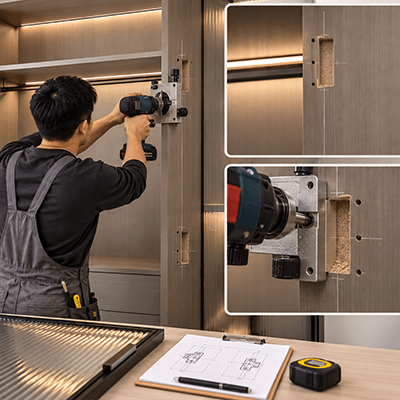
A: A 25 mm top-bottom hinge frame with an integrated F or J finger pull suits most full-height glass wardrobe doors, because the handle is formed into the profile and no knob protrudes into the walkway. Step up to a 28 mm or 35 mm section when the door is wide or the panel is heavy.
Q7: Can the same aluminum frame profile be used for wardrobe doors and kitchen cabinet doors?
A: Often yes — the 25 mm and 28 mm hinged series appear in both applications. Wardrobe doors are taller and heavier, so the deciding factors are overall door height and panel weight rather than the door style, and a taller wardrobe door may need the next wall thickness up.
Need a Custom Profile?
Don’t see the exact dimension or finish your project requires?
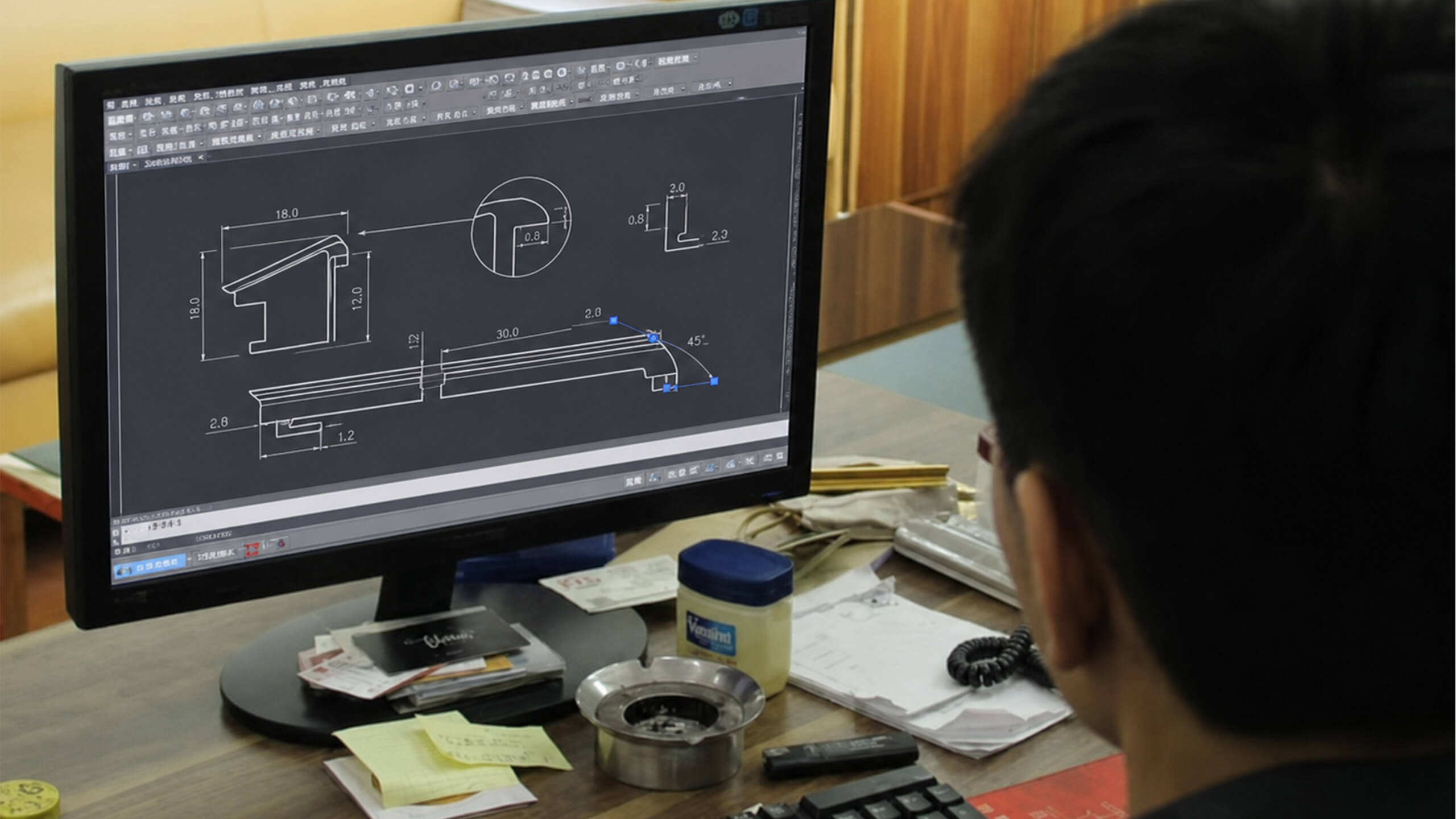
We specialize in full OEM & ODM manufacturing. Submit your specifications or customization demand, let our in-house engineering team bring your exact blueprint to life.